If you need the best baby monitor for thick walls large house no wifi, skip every internet-connected camera on the shelf and look for a dedicated 900 MHz FHSS or 1.9 GHz DECT monitor with at least 1,000 ft of advertised open-air range, a removable external antenna or high-gain internal antenna, and a parent unit that supports rechargeable Li-ion (not AAA) batteries. These radios were engineered to cut through plaster, lath, brick, and double-stud walls without ever touching your router. In a 3,500+ sq ft home with original plaster, brick interior chimneys, or a finished basement nursery, a closed-system audio or audio-video monitor will hold a stable signal where Nest, Eufy, and every WiFi cam will drop.
Why WiFi baby monitors fail in big houses with thick walls
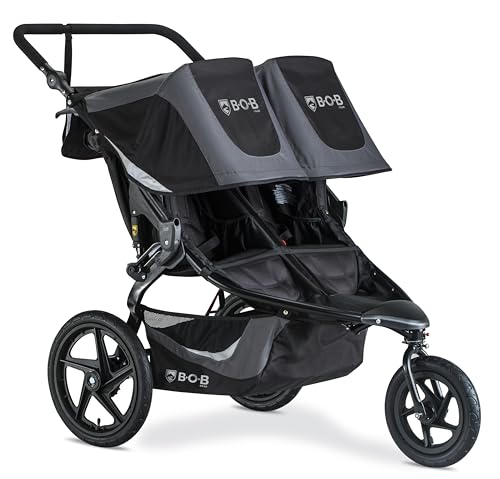
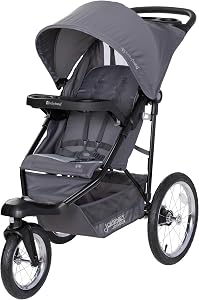
- ADJUSTABLE HANDLEBAR: Adjustable 9-position handlebar creates the perfect fit for parents of all heights
- ON AND OFF ROAD USE: Swivel-locking front wheel swivels for easy maneuverability or locks for stability when jogging on- or off-road
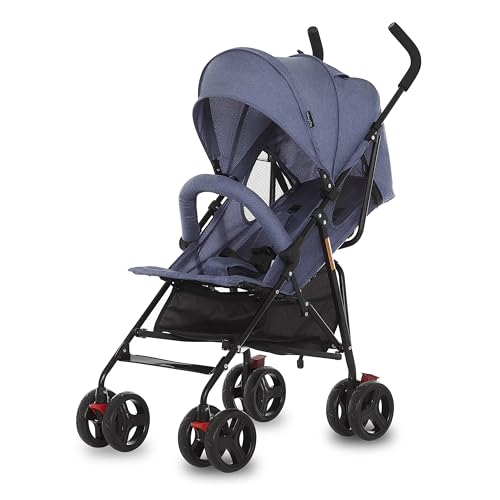
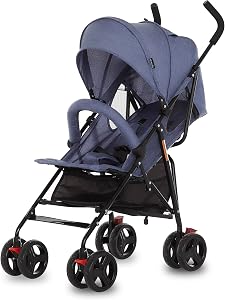
- Extra large under seat storage basket and full size canopy. Lightweight, multi position seat back
- The front wheels swivel or lock in straight position. Rear wheel breaks
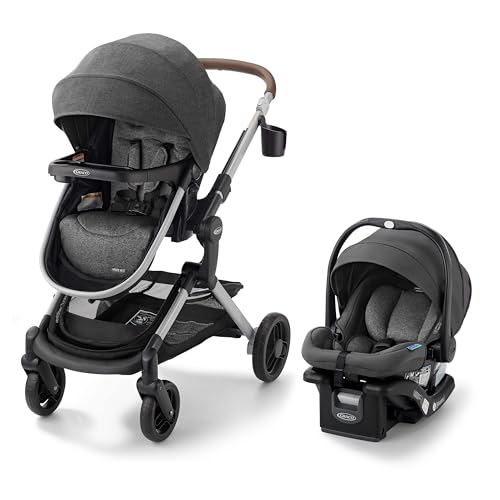
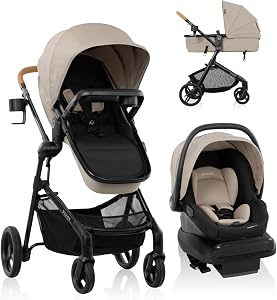
- Versatile 3-in-1 Stroller: Transforms from an
- Slide2Me Adjustable Seat: Modify the height for closer face-to-face interaction
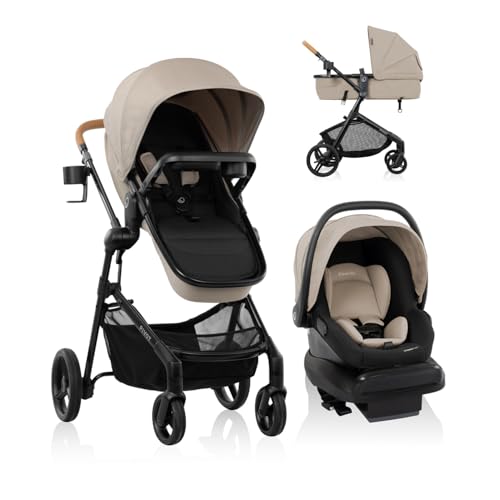
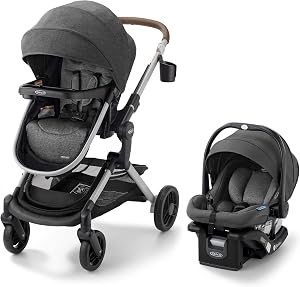
- GROWS WITH YOUR CHILD: Modular, lightweight design offers 6 modes of use, with a toddler seat that converts from lay flat pramette mode for baby to an upright seat for toddler as
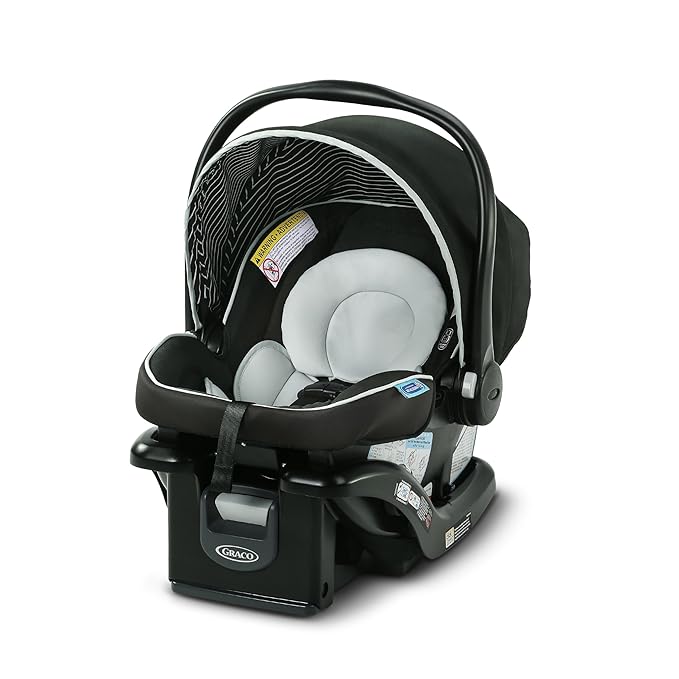
- CHOOSE A SAFE, LIGHTWEIGHT CAR SEAT: Weighing only 8.6 lb, the LiteMax NXT Infant Car Seat suits infants 3-30 lb, is easy-to-install, and transitions to the stroller seamlessly
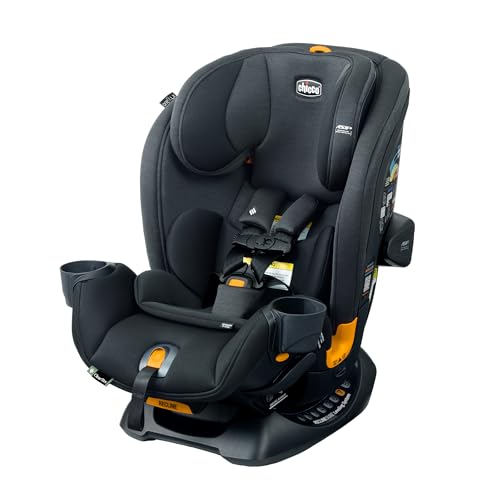
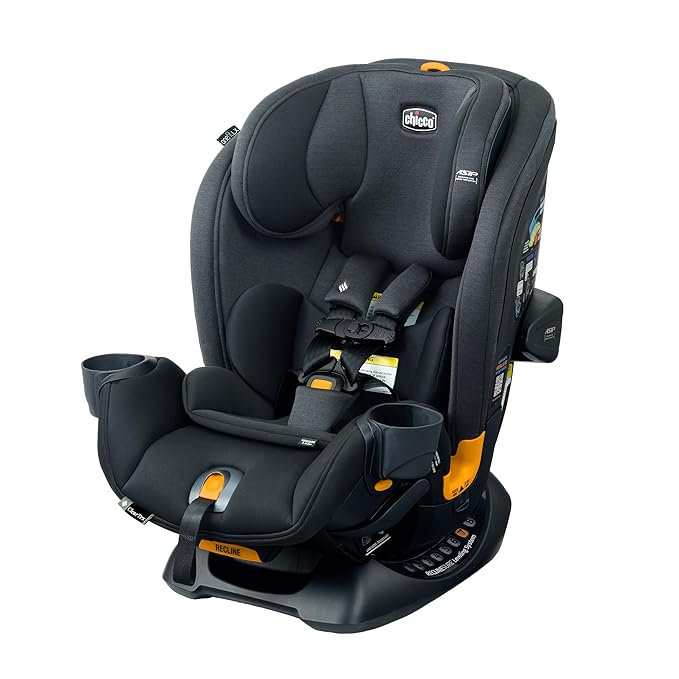
- ALL-IN-ONE CONVERTIBLE CAR SEAT – From rear-facing harness (5-40 lbs) to forward-facing harness (26.5-65 lbs) to booster (40-100 lbs), one car seat fits your child, vehicle and
- ROOM TO GROW – Convertible car seat features extra rear-facing legroom and the widest range of headrest height adjustment. Featuring Advanced Side Impact Protection (ASIP), OneFit
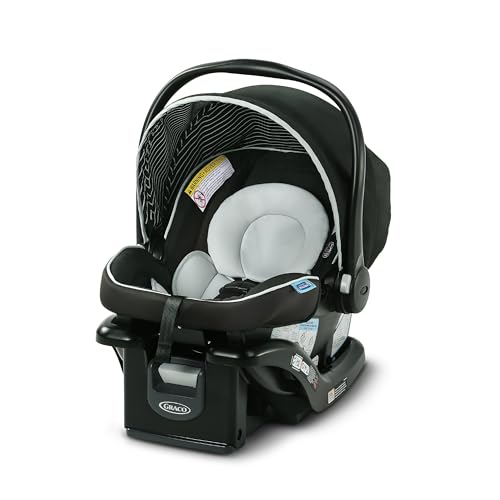
- Lightweight infant car seat weighs only 7.2 lb, making it easy to carry baby from car to stroller
- 4-position adjustable base helps ensure an accurate install and helps keep baby comfortable as he or she grows
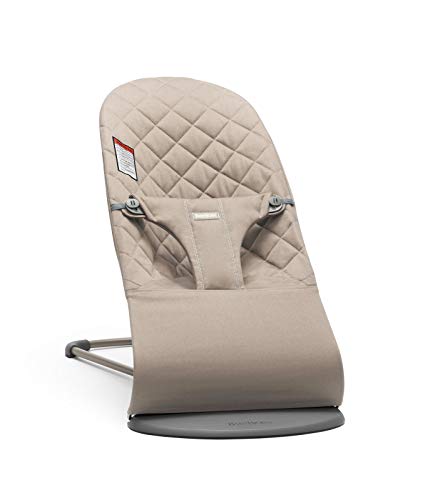
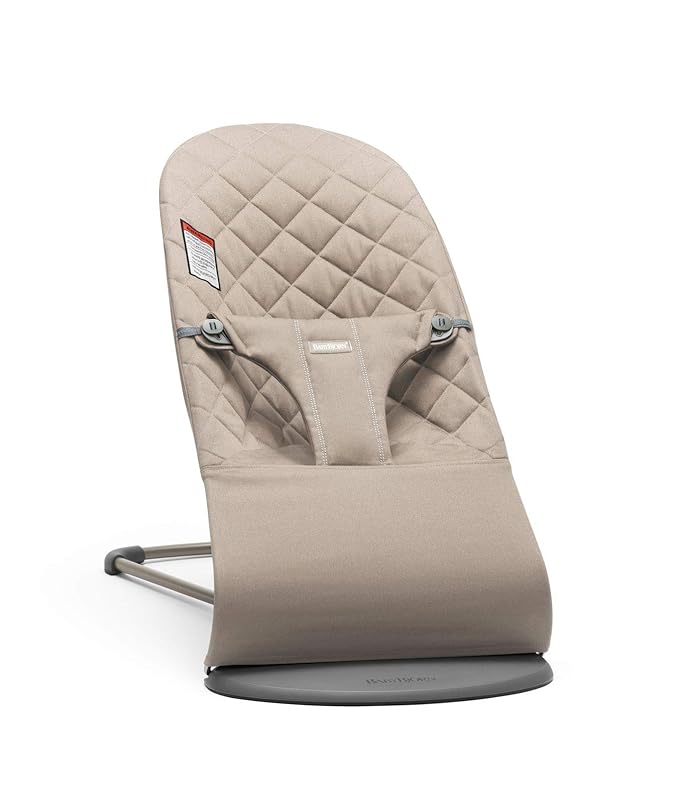
- Our lightweight bouncers are easy to move around and take with you—they're a cozy place for your baby to play close by you while you have your hands free for a while. The natural
- Our baby bouncer offers natural rocking generated by your baby’s own movements, unlike a battery or electrically powered baby swing. This means that our baby bouncer weighs less
Top Picks
Comparison: monitor technologies for thick-walled, no-WiFi homes
| Technology | Typical real-world range (heavy build) | Wall penetration | WiFi required | Best for |
|---|---|---|---|---|
| 900 MHz FHSS audio | 500-700 ft | Excellent | No | Largest homes, brick/plaster, audio-only nursery |
| 1.9 GHz DECT audio/video | 400-600 ft | Very good | No | 3,000-5,000 sq ft homes with video need |
| 2.4 GHz FHSS (closed) | 250-400 ft | Moderate | No | Mid-size homes, drywall construction |
| WiFi camera (app-based) | Depends on router | Poor through plaster/brick | Yes | Small homes, open plans, travel |
| Cellular/LTE monitor | Unlimited (if signal) | N/A | No (uses cell) | Off-grid cabins, no broadband |
WiFi baby monitors share your 2.4 GHz or 5 GHz home network, which means every wall the signal crosses, every microwave that cycles on, and every neighbor's mesh node competes for the same airspace. 2.4 GHz penetrates better than 5 GHz, but it's also the most congested band on earth. Add lath-and-plaster walls (which contain a metal mesh that acts like a Faraday cage), brick chimneys running floor-to-ceiling, radiant heat in the floors, or a foil-backed insulation upgrade, and the signal collapses long before it reaches a parent on the far side of the house.
When shopping for best baby monitor for thick walls large house no wifi, it pays to compare specs, capacity, and real-world runtime before committing.
The fix isn't a stronger router. The fix is a different radio. Dedicated baby monitors operate on FHSS (Frequency-Hopping Spread Spectrum) at 900 MHz or DECT at 1.9 GHz, both of which were designed for indoor voice transmission through structural materials. They use higher transmit power than WiFi cameras (which are throttled to play nicely with other devices), and they have nothing else competing for the channel. That's why the best baby monitor for thick walls large house no wifi is almost always a closed-system unit from a brand that has been making them for 15+ years.
The four specs that actually matter
1. Radio frequency and protocol
900 MHz FHSS wins on wall penetration. The longer wavelength bends around obstacles better than 2.4 GHz, and FHSS hops across dozens of sub-channels per second, so even if one frequency is blocked by a wall stud, the next packet finds a clear path. DECT at 1.9 GHz is a close second and is the standard for European-designed monitors. Avoid anything labeled "digital wireless" without a frequency spec — that's marketing for cheap 2.4 GHz hardware.
2. Advertised range vs. real range
Manufacturers quote open-field range. Cut it by 60-70% for a heavily built home. A monitor advertising 1,000 ft open-air will give you roughly 300-400 ft through three plaster walls and a brick chimney. For a 4,000 sq ft floor plan with the nursery on the second floor and parents in the finished basement, look for 1,500-2,000 ft advertised range minimum.
3. Out-of-range alert and signal-loss behavior
Cheap monitors go silent when the signal drops. Good ones beep loudly, vibrate the parent unit, and auto-reconnect within two seconds. This is non-negotiable in a large house — you need to know the second the link breaks, not when the baby has been crying unheard for ten minutes.
4. Parent unit battery and charging
If you're walking from a basement laundry room to a third-floor attic office, the parent unit needs to last 8+ hours on a charge and recharge while in use. Li-ion is mandatory. Avoid AAA-powered parent units — they die overnight and the alkaline weight makes the unit uncomfortable to clip on a belt.
What to look for in 2026
Audio-only 900 MHz FHSS monitors
For a true large-house, no-WiFi setup, audio-only 900 MHz units from VTech, Philips Avent, and BT (in the UK) remain the gold standard. The Philips Avent SCD713 and VTech DM221 lineage have been refined over five generations and reliably push audio through three interior walls plus a floor. They're the only monitors I'd trust in a stone-built farmhouse or a pre-war brick rowhome with original plaster.
DECT video monitors with no app
If you want video, choose a DECT monitor with a dedicated parent screen and zero app component. The Infant Optics DXR-8 PRO, Eufy SpaceView (the non-WiFi model), and Babysense HD S2 all use 2.4 GHz FHSS or DECT with closed pairing. They don't touch your network, they don't have a cloud account, and the parent unit doubles as a flashlight on midnight feeds. Range is shorter than audio-only (expect 400-500 ft through heavy walls) but acceptable for most large homes.
Long-range outdoor/property monitors
For homes on multi-acre lots where parents might be in a detached garage, pool house, or barn, the Hubble Connected Nursery Pal Glow+ and Motorola PIP1610 HD CONNECT (configured in local-only mode) push 1,500-2,000 ft. Beyond that, you're looking at cellular LTE monitors like the Nooie Cam Outdoor — but those introduce a monthly fee and aren't true no-WiFi solutions.
Setup tips that double your effective range
- Mount the baby unit high. A monitor placed on a dresser six feet up has noticeably better line-of-sight to the parent unit than one sitting on the nursery floor. Higher is always better.
- Avoid metal. Don't place the transmitter near radiators, metal HVAC ducts, or appliances. A microwave oven in the kitchen between the nursery and your bedroom will gut a 2.4 GHz signal.
- Plug, don't battery. The baby unit should run on AC power. Battery mode drops transmit power on many models to conserve charge.
- Test the dead zones first. Before you commit, walk the parent unit to every room you'll actually use it in — basement laundry, attic office, backyard deck — while a partner taps the baby unit's microphone. Return any monitor that drops signal in a room you live in.
- Use a repeater if your model supports one. Philips Avent and a few others sell add-on baby units that act as range extenders. Place one mid-house to bridge the gap.
What about cellular and LoRa monitors?
A new category of LTE-connected and LoRa-based monitors has emerged in 2026 for off-grid families. These bypass your home network entirely by either riding a cellular SIM or using long-range low-power radio (LoRa) to reach a parent unit miles away. They're overkill for in-house monitoring and most require a $5-15/month data plan, but they're worth knowing about if you have a detached studio, a vacation cabin, or you're caring for an infant while also running a workshop on a separate parcel. For most large-home buyers, a 900 MHz FHSS audio unit plus a DECT video unit covers every realistic scenario at a fraction of the cost.
Don't forget the rest of the safe-sleep setup
A monitor is only one layer. Pair it with a firm flat-sleep surface, a wearable sleep sack (no loose blankets), a room thermometer, and — if you travel — a portable monitor that runs on the same closed protocol. While you're auditing baby safety gear, this is a good moment to check your complete baby safety essentials checklist and re-read our 2026 baby monitor buying guide for the full feature breakdown. Parents shopping a broader nursery refresh should also see our long-range non-WiFi monitor comparison and the audio vs. video monitor decision guide.
Frequently Asked Questions
What is the longest-range baby monitor that doesn't use WiFi?
In 2026, the longest-range non-WiFi consumer monitors are the Philips Avent SCD723 and the VTech DM1411 audio units, both rated for 1,500-2,000 ft open-air on 900 MHz FHSS. Through three plaster walls plus a brick chimney, expect roughly 500-700 ft of usable range — enough to cover a 4,000-5,000 sq ft home end-to-end.
Will a WiFi baby monitor work in a house with plaster walls?
Sometimes — but unreliably. Lath-and-plaster walls contain a metal mesh that significantly attenuates 2.4 GHz WiFi. You'll often see the camera connect at setup, then drop intermittently throughout the night, sending false offline alerts. If your home was built before 1955 or has been retrofitted with foil-backed insulation, default to a dedicated DECT or 900 MHz monitor and skip WiFi entirely.
Do I need a video monitor or is audio enough for a big house?
For newborns through about six months, audio is genuinely sufficient and gives you much better range. After the baby is mobile and starts climbing in the crib, video becomes more useful because you can verify what a noise actually is without opening the door. Many large-home parents run both — a long-range audio unit clipped to the parent at all times and a DECT video unit on the nightstand for visual checks.
Can I use a walkie-talkie or two-way radio as a baby monitor?
Technically yes, and some parents do for cabins and farmhouses where commercial monitors won't reach. The catch is that consumer FRS/GMRS radios require a button press to transmit; for continuous audio you need to tape down the PTT button or buy a VOX-equipped unit. Battery life is poor and audio quality is worse than a dedicated baby monitor. Use a 900 MHz FHSS baby monitor first; reserve walkie-talkies for outbuildings.
How do I extend the range of a no-WiFi baby monitor?
Three options. First, raise the baby unit — mounting it shelf-height or wall-mounted at six feet improves line-of-sight dramatically. Second, buy a second baby unit (most Philips Avent, VTech, and Motorola DECT systems support up to four cameras paired to one parent unit) and place it in a central hallway as a relay. Third, switch from 2.4 GHz to a true 900 MHz FHSS model, which penetrates structural walls 2-3x better than higher frequencies.
Are non-WiFi baby monitors safer from hacking?
Yes, meaningfully so. A closed-system DECT or FHSS monitor has no internet exposure, no cloud account, no app, and no way for an outsider to access the audio or video feed without being physically within 1,000 ft of your house and possessing the same model paired during a brief setup window. Compare that to WiFi cameras, which have had multiple documented breach incidents over the past decade. For families concerned about privacy, no-WiFi is the only category worth considering.
What's the best baby monitor for a 4,000 sq ft house with no internet?
For a 4,000 sq ft house with no broadband, pair a Philips Avent SCD723 (audio, 900 MHz FHSS, 1,500+ ft range) for primary monitoring with an Infant Optics DXR-8 PRO (DECT video, 700 ft range) on the nightstand for visual checks. Total cost runs roughly $250-300, neither device touches the internet, and the combination handles plaster walls, brick chimneys, and finished basements without dropouts.
Key Takeaways
- Choosing the right best baby monitor for thick walls large house no wifi means matching the key features to your specific needs and budget
- Read real customer reviews and check the return policy before you commit
- Also covers: non wifi baby monitor long range house
- Also covers: baby monitor through thick walls
- Also covers: large home baby monitor no internet
- Compare value across models — the priciest option is not always the best fit