As an Amazon Associate this site earns from qualifying purchases.
Top Picks
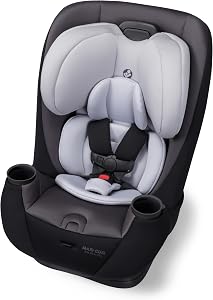
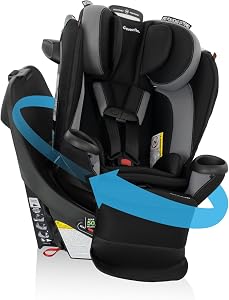
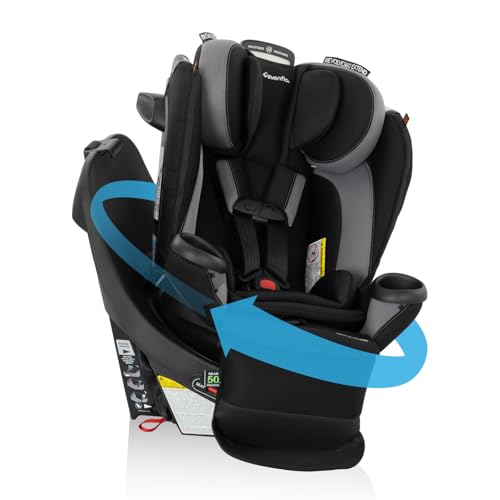
- PROTECT WITH EXTENDED TIME REAR-FACING: Allows you to keep your child rear-facing for longer as recommended by child safety experts — all the way up to 50 lb
- GET IN AND OUT EFFORTLESSLY: 360° rotation makes it a breeze to get your child in and out of the car with just one hand — an award-winning innovation that keeps on giving!
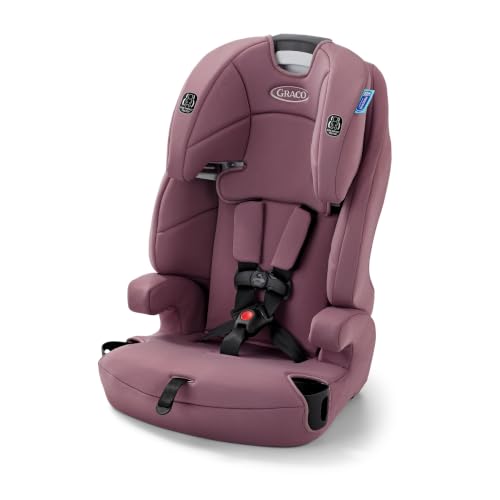
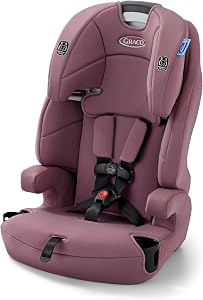
- 3-in-1 harness booster helps protect your child, from toddler to youth
- Grows with your child from forward-facing harness (26.5-65 lb) to highback booster (40-100 lb*) to backless booster (40-100 lb) *To continue to meet industry standards, we have
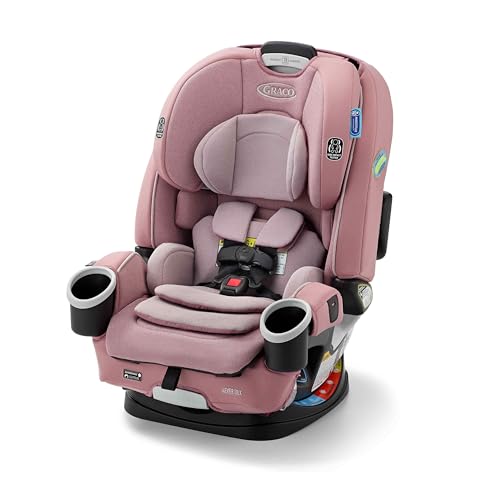
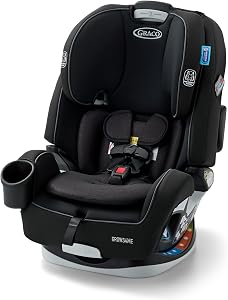
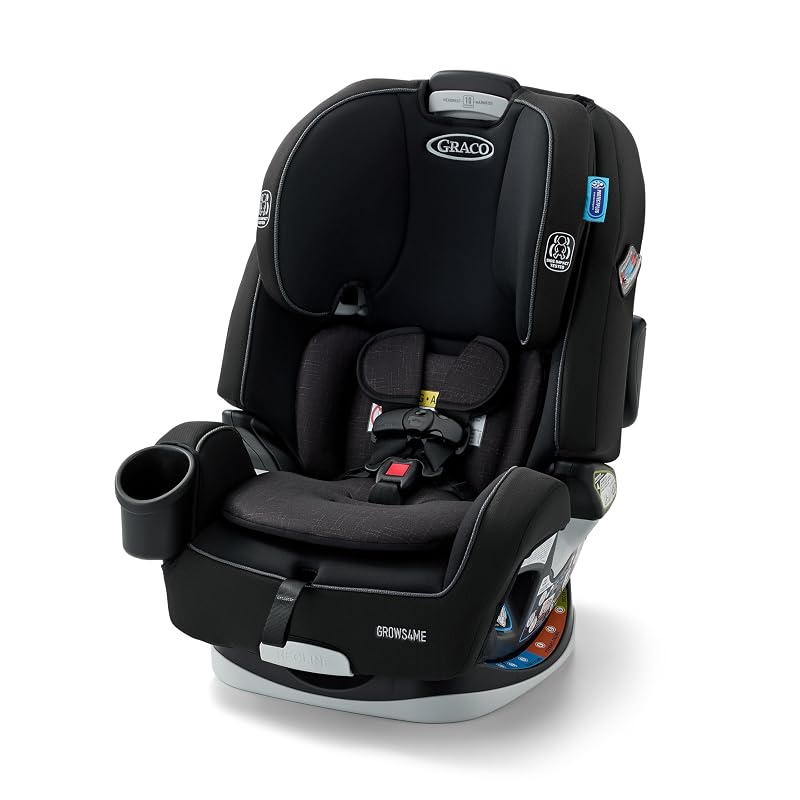
- 4-in-1 car seat gives you 10 years of use: seamlessly transforms from rear-facing harness (4-40 lb), to forward-facing harness (26.5-65 lb), to highback booster (40-100 lb), to
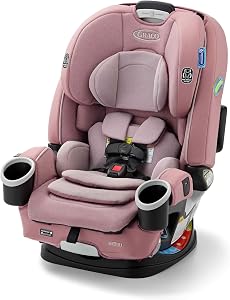
- Graco ProtectPlus Engineered to the newest testing standards for side and frontal impact, and beyond—because the safety of your child shouldn’t stop at the standard
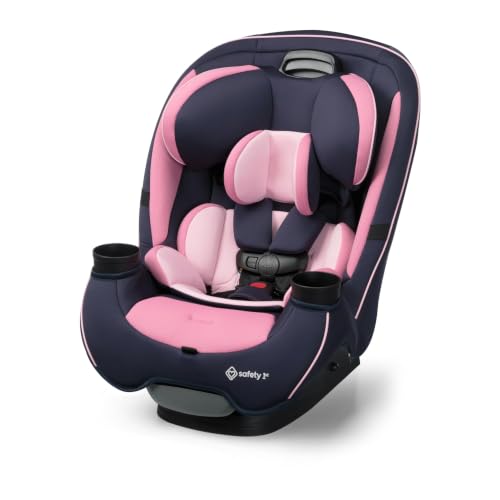
- Grows Through 3 Stages: This Safety 1st convertible car seat is a 3-in-1 design carrying a child from 5 to
- QuickFit Harness System: Headrest and straps raise together with one up-front motion, so there is no rethreading to do when your child hits a growth spurt
The Eye-Opening Stats Every Parent Must Know
| Statistic | What It Means |
|---|---|
| 46% of car seats are misused | Nearly half of all installations have a critical error |
| 71% reduction in infant fatality | When car seats are properly installed and used |
| 325+ children saved annually | By correct car seat usage in the U.S. alone |
| 6 years is the average car seat lifespan | After this, plastics degrade and safety drops |
Your Baby's First Line of Defense Starts Here
Picture this: You're cruising down the highway with the most precious cargo you'll ever carry buckled into the back seat. In that moment, one piece of equipment stands between your child and the unthinkable. That's the weight of choosing a car seat — and why getting it right matters more than almost any other parenting decision you'll make.
But here's the truth nobody tells you: the car seat aisle is overwhelming on purpose. Glossy boxes, confusing acronyms, conflicting reviews, and price tags ranging from $50 to $700. How do you cut through the noise?
This guide is your roadmap. Let's make this decision with confidence.
> "Car seats reduce the risk of fatal injury by 71% for infants and 54% for toddlers when used correctly." — National Highway Traffic Safety Administration
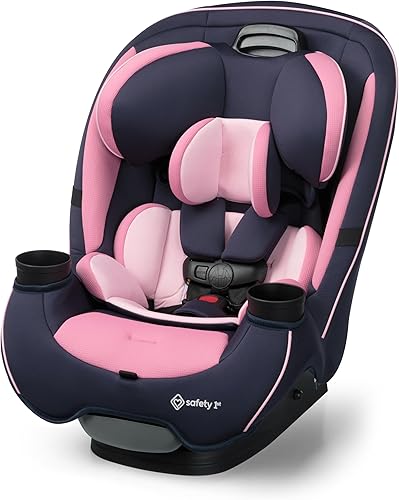
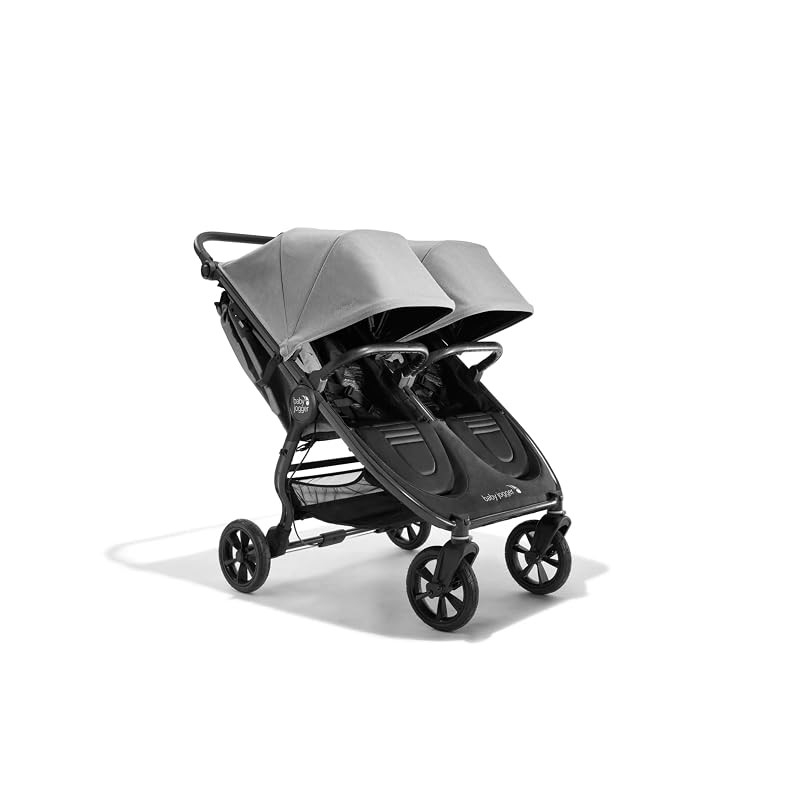
Featured recommendations from our review database — direct Amazon links below.
Watch: A Certified Technician Walks You Through the Essentials
The Four Car Seat Stages (And Why They Matter)
Not all car seats are created equal — and your baby will likely need different seats as they grow. Here's the lifecycle:
1. Rear-Facing Infant Seats (Birth to ~2 years)
 The cocoon for your newborn. These seats click into a base and often pair with strollers.
- Best for: Newborns up to 22-35 lbs
- Key feature: Removable carrier for easy transport
- Pro tip: Look for a 5-point harness and side-impact protection
2. Convertible Car Seats (Birth to ~65 lbs)
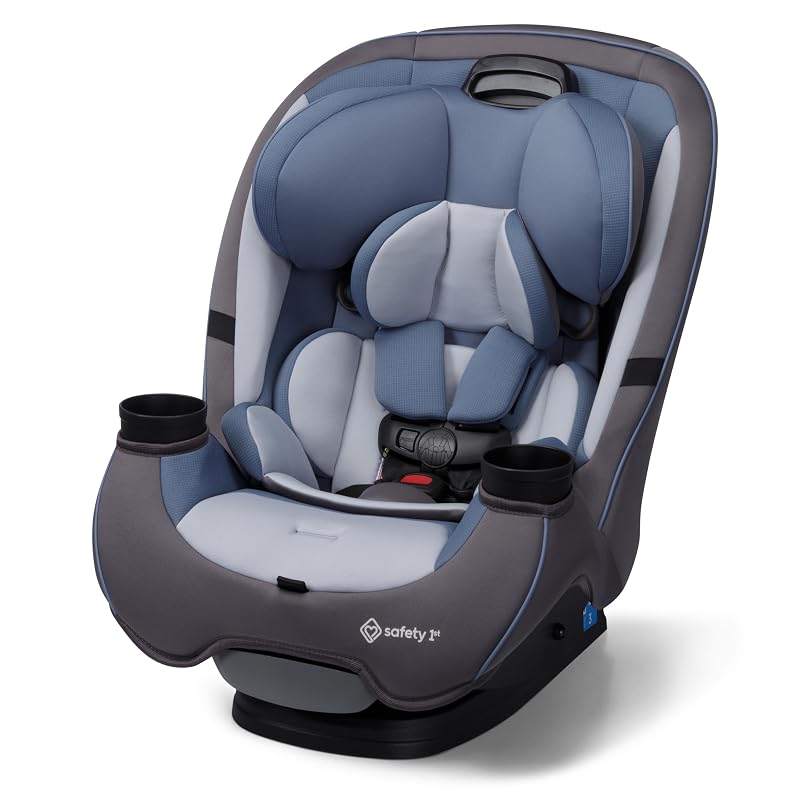 The Swiss Army knife of car seats — grows with your child.
- Best for: Families who want one seat through toddlerhood
- Key feature: Transitions from rear-facing to forward-facing
- Pro tip: Higher weight limits mean longer rear-facing time (safer!)
3. Forward-Facing with Harness (2-7 years)
For toddlers who've outgrown rear-facing limits.- Best for: Children over 2, ideally still rear-facing until age 4
- Key feature: Top tether for forward-facing stability
4. Booster Seats (4-12 years)
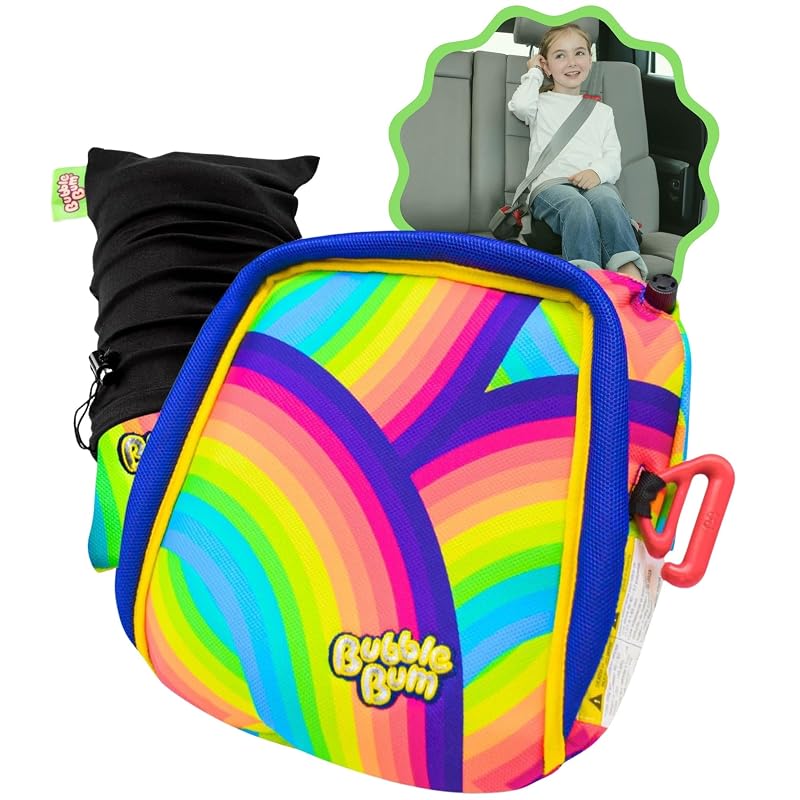 The final stage before your child uses just a seat belt.
- Best for: Kids 40+ lbs who can sit still for the whole ride
- Key feature: Properly positions the adult seat belt
What to Look For: The Non-Negotiables
INSIDER INSIGHT: Price doesn't equal safety. Every car seat sold in the U.S. must meet the same federal safety standards. A $90 seat passes the same crash tests as a $500 one. What you're paying extra for is comfort, convenience, and longevity.
Here's your must-have checklist:
- Five-point harness — secures shoulders, hips, and between the legs
- Side-impact protection — extra padding for the head and torso
- Easy-to-read recline indicator — critical for rear-facing safety
- LATCH system compatibility — easier installation than seat belts
- Machine-washable covers — because life with kids is messy
- Steel-reinforced frame — adds crash resilience
- Expiration date label — yes, car seats expire (usually 6-10 years)
Decoding Safety Ratings: The Truth Behind the Stars
Unlike cars, the U.S. government doesn't issue official safety ratings for individual car seat models. But you can use these trusted resources:
- NHTSA Ease-of-Use Ratings — Rates how easy seats are to install correctly (which directly impacts safety)
- Consumer Reports Crash Testing — Independent testing that goes beyond federal minimums
- IIHS Booster Seat Ratings — Specifically for boosters, evaluates belt fit
The 7 Deadly Mistakes Parents Make (And How to Avoid Them)
Mistake #1: Turning Forward-Facing Too Early
The AAP recommends rear-facing as long as possible — ideally until age 2 or until they max out the seat's height/weight limit. Rear-facing is 5x safer in a crash for young children.Mistake #2: Loose Installation
If your installed car seat moves more than 1 inch side-to-side or front-to-back at the belt path, it's too loose. Get your knee into it and pull tight.Mistake #3: Bulky Winter Coats
Puffy coats compress in a crash, creating dangerous slack in the harness. Buckle your child first, then drape the coat over them.Mistake #4: Harness Straps in the Wrong Slots
- Rear-facing: Straps at or BELOW shoulders
- Forward-facing: Straps at or ABOVE shoulders
Mistake #5: Chest Clip Too Low
The chest clip must sit at armpit level — not on the belly. A low clip can cause the harness to fail.Mistake #6: Using a Secondhand Seat Without Vetting
Never use a car seat that has been in a moderate-to-severe crash, has missing parts, is expired, or comes from an unknown source.Mistake #7: Adding Aftermarket Products
Those cute strap covers, neck pillows, and seat protectors? Most aren't crash-tested and can compromise safety. Only use accessories made by your car seat manufacturer.Watch: The Most Common Car Seat Installation Mistakes (And Fixes)
Key Takeaways: Your Quick-Reference Cheat Sheet
- Safety standards are universal — expensive doesn't mean safer
- Rear-face as long as possible — at least until age 2
- Get a free installation check from a Certified Passenger Safety Technician (find one at safekids.org)
- Register your car seat so you get recall notifications
- Replace after any moderate crash — even if it looks fine
- Check the expiration date before buying or accepting hand-me-downs
- Read your vehicle manual AND car seat manual — installation varies
The Final Word: Trust, But Verify
Choosing a car seat isn't about finding the "best" one — it's about finding the right one for your child, your vehicle, and your lifestyle. Then installing it correctly, every single time.
The peace of mind that comes from knowing you've done everything possible to protect your child? That's priceless.
Now go forth, fellow parent. You've got this.
Always consult your car seat's manual and a Child Passenger Safety Technician for personalized guidance. Safety recommendations evolve — stay updated through the NHTSA and AAP.
Related Reviews
- Baby Gear on a Budget: How to Save Money Without Sacrificing Safety
- Baby Safety Essentials Guide: Must-Have Gear Every New Parent Needs
- How to Choose a Baby Stroller: The Complete Buyer's Guide for New Parents
- How to Install a Car Seat Correctly: Step-by-Step Safety Guide
- How to Know When to Replace a Car Seat: Expiration & Safety Tips
