The best baby gate for bottom of spiral staircase with newel post in 2026 is a hardware-mounted, adjustable-angle gate paired with a banister-to-newel adapter kit — typically the Cardinal Gates Stairway Special SS-30 or the Safety 1st Easy Install with a no-drill newel clamp. Spiral staircases create two challenges most parents don't anticipate: the bottom step is rarely square to the wall, and the newel post is round, decorative, or load-bearing, meaning you can't simply screw a standard pressure gate into it. A proper solution uses angled hinges (so the gate swings parallel to the curve), a wall-side stud anchor, and a banister clamp that grips the newel without damaging the finish.
Why Spiral Staircases Demand a Specialized Gate
A typical pressure-mounted gate assumes two parallel, flat, drywall-backed surfaces about 28 to 42 inches apart. A spiral staircase violates almost every one of those assumptions. The newel post at the base is usually turned hardwood — oak, maple, or painted poplar — and any clamp pressure will dent it within weeks. The opposite side may be open to the room (no wall at all), or it may meet a half-wall, a curved railing, or a stringer at an awkward angle.
When shopping for best baby gate for bottom of spiral staircase with newel post, it pays to compare specs, capacity, and real-world runtime before committing.
For these reasons, the best baby gate for bottom of spiral staircase with newel post setups almost always involves three components rather than one: the gate itself, a newel-post adapter (sometimes called a banister kit), and either a wall mount or a second newel adapter on the opposite side. Buying these as one bundle saves about 30% versus assembling piecemeal.
The Three Mounting Scenarios You'll Encounter
Before shopping, identify which scenario matches your staircase. The gate that works perfectly for one is unusable for another.
Scenario A: Newel Post to Wall
One side is the decorative newel; the other side is a finished wall with a stud you can locate. This is the most common and the easiest to solve. You'll need a banister-to-baluster kit on the newel side and standard hardware mounts on the wall side. The gate should support a swing angle of at least 15 degrees off square, since the curved base step rarely sits perpendicular to the wall.
Scenario B: Newel Post to Open Room
The staircase rises from an open foyer or living area. There is no opposing wall — just empty floor space. You have two choices: install a freestanding floor-anchored post (a permanent solution), or use a long-reach gate that wraps from the newel back around to a side wall several feet away. Retract-Flex gates and play-yard-style gates such as the Regalo Super Wide Walk Thru work here.
Scenario C: Two Newel Posts
Some spiral designs have a short return rail with a second decorative post at the base. Use two banister adapters and skip the wall mount entirely.
Comparison: Gate Configurations for Spiral Bases
| Configuration | Best For | Width Range | Newel Damage Risk | 2026 Price Range |
|---|---|---|---|---|
| Hardware gate + banister adapter | Scenario A (newel to wall) | 28–42 in | None (clamp pads protect finish) | $75–$140 |
| Angle-mount gate + dual adapters | Scenario C (newel to newel) | 28–48 in | Low | $95–$170 |
| Retractable mesh gate | Scenario B (open foyer) | Up to 71 in | None | $60–$110 |
| Freestanding floor-post + gate | Permanent installations | Custom | None (no contact) | $180–$300 |
| Pressure-mounted gate (NOT recommended) | Top-of-stairs only | 28–42 in | High — can dent newel | $35–$70 |
What to Look For in 2026 Models
Three product features separate gates that survive a spiral installation from gates that get returned within a week.
1. Angled Hinges (At Least 15° of Swing Adjustment)
Because the bottom step of a spiral curves away from the wall, the gate must hang at an angle. Cardinal Gates, Qdos, and Munchkin all offer hinge kits that allow up to 30 degrees of off-axis mounting. Confirm this in the product spec sheet before buying — not all hardware gates support it.

2. Banister Adapter Compatibility
A banister kit is a small frame that clamps around a round or square newel post (typically 2–5 inches in diameter) and presents a flat mounting surface for the gate's hinge bracket. Without this, you'd either drill directly into the decorative wood (devaluing the staircase) or rely on a pressure fit that will not hold against a toddler's weight.
3. JPMA Certification for Stairway Use
Look for the Juvenile Products Manufacturers Association seal specifically rated for "top and bottom of stairs." Many cheaper gates are rated only for doorway use and will collapse under lateral force. The 2026 update to ASTM F1004 makes this distinction even more rigorous.
Installation Tips Specific to Spiral Staircases
Even the perfect gate fails if installed wrong. A few things to keep in mind:

- Measure the base step at three points: the newel side, the middle, and the wall side. Spiral steps taper, so a gate that fits at the front may collide with the riser at the back.
- Locate the wall stud before drilling. Drywall anchors alone will not pass safety testing — the gate must transfer load into framing.
- Use felt or rubber pads inside the banister clamp. Even "no-damage" clamps will compress finish over months. A $3 felt pad protects a $400 newel.
- Test the gate latch one-handed with a baby on your hip. If you can't open it gracefully, you'll start leaving it open — defeating the purpose.
- Re-tighten all hardware monthly for the first 6 months. Wood shrinks seasonally and clamps loosen as a result.
Mistakes to Avoid
The single most common error: using a pressure-mounted gate at the bottom of any staircase, spiral or otherwise. Pressure gates are designed so that lateral force pushes them tighter against the frame — which works at a doorway but fails catastrophically when a child leans against the gate from the staircase side. Pressure gates belong at the top of stairs only if installed with the pressure bar facing the upper landing; at the bottom they should never be used as the sole barrier.
The second most common error: skipping the banister adapter and zip-tying the gate to the newel. This may look secure on day one but the cable ties degrade under UV exposure within 12 months, and the gate becomes a tripping hazard rather than a safety device.
Third: choosing a gate that's too short. The 2026 ASTM standard requires a minimum height of 22 inches above the walking surface; for an active toddler over 24 months, 30+ inches is strongly recommended. For more on choosing gate dimensions, see our guide to baby gate heights for toddler climbers.
Pairing Your Gate With Other Safety Essentials
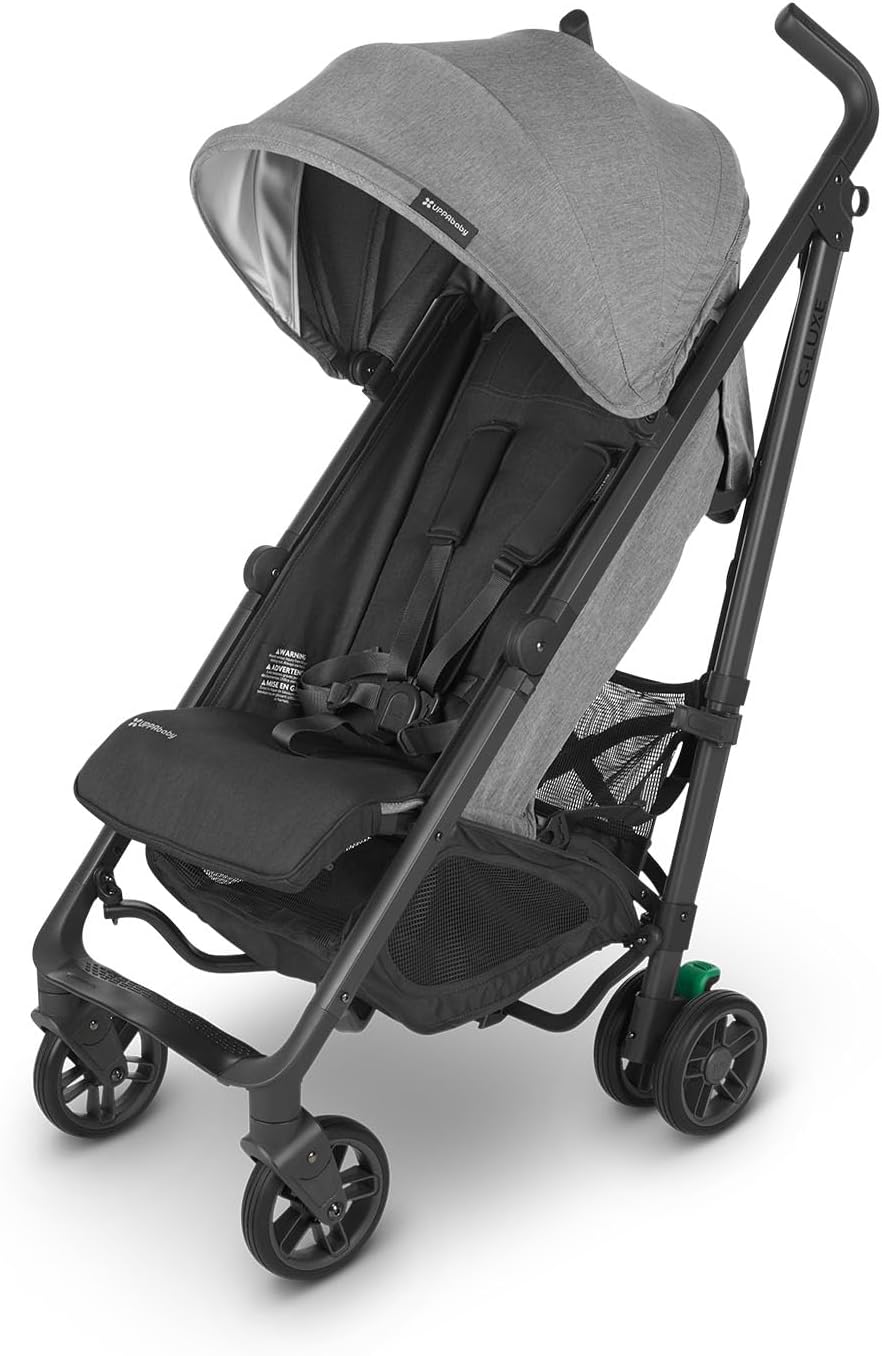
A gate at the bottom of the staircase is one layer of a complete safety setup. Most parents who tackle this project also end up installing a matching gate at the top of the stairs (different specs apply — see our guide to top-of-stairs banister gates), corner guards on the lower steps, and grip tape on the spiral treads themselves. If you're still in the newborn stage and traveling between floors frequently, you may also want to review our breakdown of travel strollers versus full-size models, since the stairway gate and your daily stroller often have to coexist in the same entry foyer.
For families with multiple children, the bottom-of-stairs gate also doubles as a containment barrier for crawling infants while older siblings move freely. Combine it with a soft play mat in front of the gate, since toddlers do occasionally tumble while learning to open the latch. Our complete 2026 baby-proofing checklist walks through every room.
Budget Breakdown for the Complete Solution
Expect to spend roughly $130–$220 for a complete installation:
- Hardware-mounted gate with stairway certification: $75–$140
- Banister-to-baluster adapter kit (newel clamp): $25–$45
- Angle hinge kit (if not included): $15–$25
- Felt pads, drill bits, anchors: $10–$15
If you're handy, installation takes about 45 minutes. A handyman will charge $75–$120 for the same job. Either way, this is a one-time purchase that lasts until the youngest child is roughly 36 months old — an investment of less than $7 per month of active use.
Frequently Asked Questions
Can I install a baby gate on a round newel post without drilling?
Yes. A banister adapter kit (sometimes called a no-drill newel clamp) wraps around the post with adjustable straps and felt-lined contact pads, then presents a flat mounting surface for the gate hinge. No screws ever touch the decorative wood. Kits from Cardinal Gates and Qdos fit round posts from 2 to 5 inches in diameter.
What's the best baby gate for a curved bottom step where the wall is more than 42 inches away?
For openings wider than 42 inches, use a retractable mesh gate (such as the Retract-A-Gate or Skip Hop Auto-Close, both rated to about 71 inches) or an extra-wide configurable gate like the Regalo Super Wide Walk Thru with extension panels. The mesh option is generally preferred for spiral bases because the curved opening conforms to the gate's flexible mesh rather than forcing a rigid rectangle.
Are pressure-mounted gates ever safe at the bottom of a spiral staircase?
No. Pressure gates rely on tension between two walls and are not rated for stair-bottom use because a child falling against them from the staircase side can dislodge them. Always use a hardware-mounted gate at any stair location, top or bottom, and especially with the complex geometry of a spiral base.
How do I install a baby gate without damaging a hardwood newel post?
Use a banister adapter with felt-lined clamps, never zip ties or direct screws. Apply an extra layer of self-adhesive felt between the clamp and the wood, tighten only to manufacturer spec (usually hand-tight plus a quarter turn), and inspect monthly for the first six months as seasonal humidity changes can loosen the fit.
What height baby gate do I need for the bottom of a spiral staircase?
Choose a gate at least 30 inches tall measured from the floor of the lowest step. Spiral staircase steps are often shallower than standard, which encourages climbing earlier, so the additional height (versus the 22-inch ASTM minimum) provides meaningful margin. For dedicated climbers, 36-inch "extra tall" gates from Summer Infant or North States are worth the upgrade.
Can I use a wooden baby gate on a metal spiral staircase?
Yes, but you'll need a metal-rail adapter rather than a wood-newel adapter. These adapters have larger contact pads and are designed to grip painted or powder-coated metal tubing without slipping. Confirm the inner diameter range of the adapter matches your stair's railing thickness — metal spirals often have 1.5 to 2 inch railings, narrower than wood newels.
How long will a bottom-of-stairs baby gate last before my child can defeat it?
Most quality hardware-mounted gates with one-hand latches remain effective until roughly 30–36 months. After that, children develop both the dexterity and the height to operate adult latches. By age 3, the focus shifts from physical barrier to teaching stair safety rules. If you have a younger second child, the gate can typically be reused for several more years before retirement.
Do I need a different gate for the top versus the bottom of the spiral staircase?
The mounting requirements are similar (both must be hardware-mounted), but the swing direction is critical: the top gate must swing toward the landing, never toward the stairs, to prevent a child from pushing the gate open and falling. Bottom gates can swing either way. Many manufacturers sell matched pairs at a discount, which is convenient because you'll likely want both anyway.
Key Takeaways
- Choosing the right best baby gate for bottom of spiral staircase with newel post means matching capacity and output ports to your actual devices
- Always check actual watt-hours (Wh), not just watts — runtime depends on Wh, not peak output
- Also covers: spiral staircase baby gate newel post
- Also covers: curved staircase baby gate solution
- Also covers: baby gate for round banister post
- Compare price-per-Wh across models to find the best value for your budget