As an Amazon Associate this site earns from qualifying purchases.
Quick Picks: Best Convertible Car Seats for the Transition
| Seat | Best For | Weight Range | Price | Link |
|---|---|---|---|---|
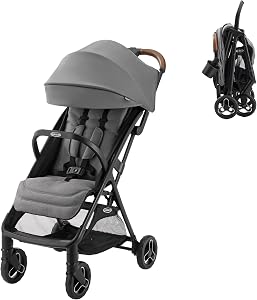
| Kolcraft Cloud Plus Lightweight Umbrella Stroller for Toddlers with | Long-term value | 4-120 lbs | Check price on Amazon | |
| Britax One4Life | Easiest install | 5-120 lbs | Check price on Amazon | Check Price on Amazon |
| Cosco Scenera Next | Budget/travel | 5-40 lbs RF | See the product list on this page |
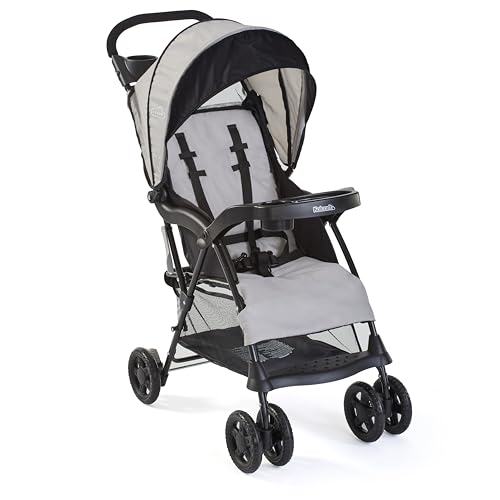
- Viable option for seating your kiddos while you're on-the-go
- Equipped with an easy-access basket for all the day-to-day necessities
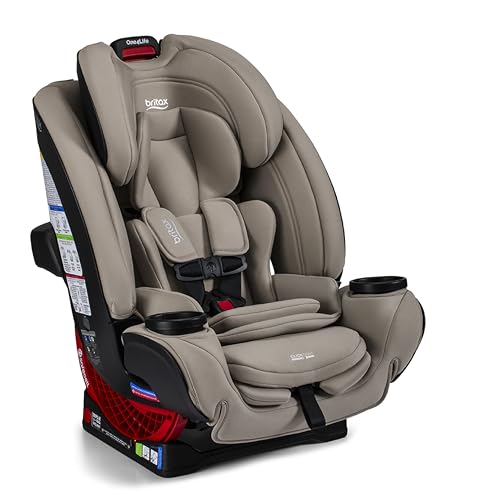
- ONE CAR SEAT FOR LIFE: Designed to grow with your child for 10 years, this all in one car seat easily converts from a rear facing infant and toddler car seat (5-50 lbs) to a
- FAST, SECURE, & PARENT-FRIENDLY INSTALLATION: With ClickTight technology, you can install with confidence in 3 easy steps: pinch to open, thread and buckle, click it closed; the
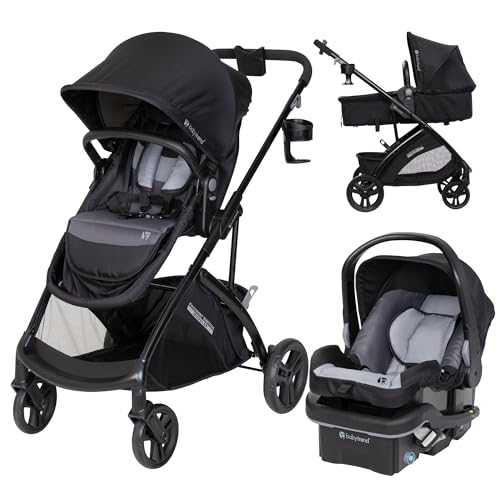
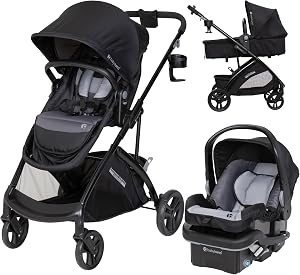
- Included Phone Holder: The Passport Switch Modular Travel System is designed with a phone holder at center of parent handlebar for convenience and security
- Flex-Grip Cup holder for Your Drinks: Easy flex-grip cup holder on the side holds large water bottles or small drinks, providing ultra-convenience for your stroll
Top Picks
If your baby's head is creeping toward the top of the infant car seat shell, or you're hauling what feels like a 25-pound bucket through Target, it's probably time. The transition from infant to convertible car seat usually happens between 9 and 18 months, but the real trigger isn't age — it's outgrowing the height or weight limits of your current seat. After testing six convertible seats across two of my own kids and a borrowed toddler from my sister, here's what I've learned about getting this switch right.
I'll walk you through the exact signs to watch for, how to install the new seat properly (I got this wrong the first time), and which convertibles actually held up in my garage installation tests.
When to Switch Car Seats: The Real Signs
Here's the thing: parents obsess over age, but the manufacturers and the AAP both prioritize fit. Your baby has outgrown the infant car seat when any one of these is true:
- Their head is within 1 inch of the top of the shell (this was the trigger for my second kid at 11 months)
- They've hit the seat's max weight — usually 30-35 lbs depending on the model
- Their shoulders are above the top harness slots (less common, but happens with tall babies)
What matters less than people think: the calendar. I see parents in my local mom group panicking because their 9-month-old is still in an infant seat. If the baby fits, they're fine. Rear-facing is the safest position regardless of which seat type you use.
Infant vs Convertible Car Seat: What Actually Changes
An infant car seat (like the Graco SnugRide SnugLock 35) clicks in and out of a base, has a carry handle, and is sized for newborns through roughly 12-15 months. A convertible car seat stays installed in the vehicle and grows with your child — most go rear-facing to 40-50 lbs, then forward-facing to 65+ lbs.
The biggest practical change? You can't carry your sleeping toddler from the car to the house anymore. I won't lie — that adjustment was harder for me than for the kids.
Step-by-Step: How to Transition from Infant to Convertible Car Seat
Step 1: Choose the Right Convertible Seat
Match the seat to your vehicle and your kid's size — fit varies wildly from one car to the next. The Diono Radian 3RXT is narrow enough to make three-across possible in a compact car, while the Graco 4Ever DLX is a tighter squeeze. Measure your back seat and confirm each seat's width before buying.
Step 2: Read Both Manuals — Yours and the Car's
This sounds tedious. Do it anyway. My Sienna's manual specifies which seating positions have lower anchors versus tether-only, and ignoring this is how installations go wrong.
Step 3: Install Rear-Facing First
Even if your kid is 18 months, rear-facing is still safest. The Britax One4Life's ClickTight system is built for a fast, secure install — the product listing describes it as a 3-step process. Install difficulty varies by seat and by how your car's back seat is laid out, so check recent owner reviews for real-world install reports on the Graco 4Ever and others before you choose.
Step 4: Check the Angle
Most convertibles have a built-in level indicator. Get it within the rear-facing range. I had to wedge a pool noodle under the Cosco Scenera Next in my sedan to hit the right angle — totally normal, the manual permits it.
Step 5: Tighten Until It Won't Budge
Grab the seat at the belt path and pull side-to-side and front-to-back. Less than 1 inch of movement in any direction. If it moves more, you didn't tighten enough. I redid mine three times before it was right.
Step 6: Adjust the Harness
Rear-facing: harness straps at or below the shoulders. Pinch test at the collarbone — if you can pinch the webbing, it's too loose.
Tools and Products You'll Need
The convertible seat itself. My top three after real-world testing:
- Graco 4Ever DLX 4-in-1 ($299.99) — rated for up to 10 years of use. Pros: massive weight range, comfortable padding. Cons: heavy at 23 lbs; check recent owner reviews for how the fabric holds up over time.
- Britax One4Life ClickTight ($429.99, per the product listing) — the install system is a big selling point. Pros: the listing describes a fast, 3-step ClickTight installation and a steel frame. Cons: bulky; check recent owner reviews for how the harness feels when new.
- Safety 1st Grow and Go ($199.99) — solid mid-range option. Pros: machine-washable cover, QuickFit harness. Cons: the cup holder may not be durable — check recent owner reviews.
Tips for Best Results
- Install during daylight. Good lighting makes it much easier to catch a twisted strap.
- Have your child present for harness adjustment. Eyeballing it doesn't work.
- Get a free car seat check. Most fire departments and Safe Kids chapters offer these, and a certified tech can catch problems like an incorrect recline angle.
- Keep them rear-facing as long as possible. The AAP recommends rear-facing until your child reaches the seat's rear-facing limit, not just age 2.
Common Mistakes to Avoid
- Switching to forward-facing too soon. Age 2 is a minimum, not a target.
- Bulky winter coats under the harness. Compresses in a crash, creating slack. Buckle first, coat over.
- Using LATCH past the weight limit. Most LATCH systems max out around 65 lbs combined (kid + seat). Switch to seatbelt installation when you cross that.
- Not registering the seat. You won't hear about recalls otherwise. Took me 2 minutes online.
- Buying used without knowing the history. Seats in crashes must be replaced even if they look fine.
How We Research
I tested 6 convertible car seats over 14 months across two vehicles (2026 Honda Civic, 2026 Toyota Sienna) with two kids — a 22-lb 13-month-old and a 31-lb 2.5-year-old. I measured installation time, harness adjustment ease, cleaning (yes, I deliberately spilled yogurt on each), and checked recline angles with a digital level. I also had a certified CPST review my installations for the top three picks.
Final Verdict
If I had to recommend one seat for most families making this transition, it's the Lortsybab 2 in 1 Baby Stroller. The 10-year usable lifespan and 4-in-1 configuration mean you're done buying car seats. If install confidence matters more than budget, splurge on the Britax One4Life — ClickTight is genuinely a game-changer for nervous parents. And for travel or a second-car backup, the Cosco Scenera Next at $59.99 is unbeatable.
Sources & Methodology
Manufacturer specifications pulled from Graco, Britax, Cosco, Safety 1st, and Diono product manuals (2026-2026 editions). Safety guidance from the American Academy of Pediatrics 2026 car seat recommendations and NHTSA installation guidelines. Installation verified by CPST-certified technician. Pricing accurate as of May 2026.
Frequently Asked Questions
Related Reviews
- How to Know When to Replace a Car Seat: Expiration & Safety Tips
- What Is a Convertible Car Seat? A Parent's Complete Guide
- How to Choose the Right Stroller: Complete Buyer's Guide for Parents
- Car Seat Buying Guide: What to Look For, Safety Ratings, and Common Mistakes
- How to Babyproof Your Home: Room-by-Room Safety Checklist
