Bringing home a NICU graduate with a history of bradycardia means you need monitoring that goes beyond what a typical baby monitor offers. The best baby monitor for NICU graduate with bradycardia history home use is a pediatrician-recommended pulse oximeter or movement-sensing pad that tracks heart rate, oxygen saturation, or breathing in real time — not a consumer audio-video cam. This guide walks you through medical-grade and FDA-cleared options for 2026, explains what features actually matter for a former preemie with documented bradycardia episodes, and helps you avoid devices that look reassuring on the box but deliver no clinical-grade data when it counts.
Why a Standard Baby Monitor Falls Short for a NICU Graduate
A typical Wi-Fi baby cam shows you a sleeping baby. That is comforting, but it cannot tell you whether your former preemie’s heart rate just dropped to 70 beats per minute, whether her oxygen saturation slid below 88%, or whether she has paused breathing for 20 seconds. For a NICU graduate discharged with a bradycardia history, those are the exact events you were trained to recognize during your hospital discharge teaching — and they are the only events that matter clinically. The right home monitor either measures heart rate and SpO₂ directly (pulse oximetry) or detects the absence of movement that accompanies an apnea-bradycardia spell (movement pad). A video monitor is a useful supplement but never a substitute.
When shopping for best baby monitor for NICU graduate with bradycardia history home use, it pays to compare specs, capacity, and real-world runtime before committing.
What Bradycardia Means at Home (and Why It Drives Monitor Choice)
Bradycardia in a newborn or former preemie is generally defined as a heart rate below 80–100 bpm depending on gestational age and your neonatologist’s threshold. In the NICU it was caught by continuous cardiorespiratory leads connected to a hospital telemetry system. At home, you are looking for a device that can replicate, as closely as possible, that continuous trending. Babies discharged with documented As and Bs (apnea and bradycardia) episodes are often sent home with one of three categories of monitor — sometimes prescribed, sometimes purchased over the counter on a pediatrician’s recommendation. Understanding which category fits your discharge plan is the single most important step before you shop.
Three Categories of Home Monitors for Former Preemies
1. Medical-Grade Pulse Oximeters (Prescription)
The Masimo Rad-G, Nonin 3150, and similar prescription-grade devices use the same SET (Signal Extraction Technology) algorithms that hospitals trust. They display continuous heart rate and SpO₂, log every reading, and produce a downloadable trend report your neonatologist can review at follow-up visits. These are typically dispensed through a durable medical equipment (DME) supplier with insurance authorization after a bradycardia-positive discharge. If your NICU team mentioned “home cardiorespiratory monitoring” or “home apnea monitor,” this is the category they meant. Expect to pay $0–$250 out of pocket with insurance, or $400–$1,200 cash.
2. Consumer Smart Sock and Wearable Monitors
The Owlet Dream Sock (FDA-cleared in 2023 for healthy infants 1–18 months) and the newer Masimo Stork Vitals (FDA-cleared 2023) both deliver pulse oximetry to a parent’s phone. Critically, neither is cleared specifically as an apnea or bradycardia monitor, and Owlet explicitly states the Dream Sock is intended for healthy infants. For a NICU graduate with a documented bradycardia history, these can be a useful adjunct — but only with your neonatologist’s sign-off, and never as the sole monitor during the period your discharge plan calls for medical-grade tracking. The Masimo Stork uses the same SET algorithm as hospital monitors, which is why many NICU follow-up clinics now mention it specifically.
3. Under-Mattress Movement Pads
Snuza Pico, Snuza Hero MD (CE-marked as a medical device in Europe), Babysense 7, and Nanit Breathing Wear detect movement or breathing motion rather than heart rate. They alarm when no movement is detected for 15–20 seconds. For a baby whose primary risk is central apnea progressing to bradycardia, movement-based detection catches the upstream event — the breathing pause — before the heart rate drops. They do not measure SpO₂ or heart rate directly, so they pair well with, but do not replace, a pulse oximeter for a true bradycardia-history graduate.
Comparison: Home Monitor Categories for Bradycardia-History Graduates
| Category | Measures | FDA Status | Typical Source | Best For |
|---|---|---|---|---|
| Prescription pulse oximeter (Masimo Rad-G, Nonin 3150) | HR + SpO₂, continuous logging | Cleared medical device | DME supplier via prescription | Documented bradycardia, oxygen-dependent, or NICU follow-up directed |
| Masimo Stork Vitals | HR + SpO₂ | FDA-cleared (healthy infants) | Direct-to-consumer | Step-down from prescription monitor with neonatologist approval |
| Owlet Dream Sock | HR + SpO₂ | FDA-cleared (healthy infants 1–18 mo) | Direct-to-consumer | Adjunct only for NICU graduates per pediatrician |
| Snuza Hero MD | Abdominal movement | CE-marked medical device | Direct-to-consumer | Apnea-of-prematurity history, travel use |
| Nanit Pro + Breathing Wear | Breathing motion via camera | Consumer wellness | Direct-to-consumer | Visual supplement to a clinical monitor |
Features That Actually Matter for a Bradycardia Baby
When you compare specific models, focus on these criteria rather than marketing copy:
- Continuous SpO₂ with motion-tolerant algorithm. Masimo SET and Nellcor OxiMax are the two algorithms validated against motion artifact — critical when your baby kicks, rolls, or feeds.
- Adjustable alarm thresholds. Your neonatologist will give you specific HR and SpO₂ cutoffs (often 80 bpm low and 88% low). The monitor must let you set those exact values.
- Audible alarm at the device, not just the phone. Wi-Fi outages, Bluetooth disconnects, and silenced phones have all caused missed events. The device itself must alarm.
- Trend logging and export. Your follow-up neonatologist or cardiologist needs to see overnight trends, not just “it beeped twice.”
- Battery backup. Power outages happen. A 6–8 hour internal battery is the minimum for a bedside monitor.
- Pediatric-validated sensor sizes. Adult or even standard infant probes do not fit a 4-pound former 28-weeker. Confirm the smallest sensor size offered.
Talk to Your Neonatologist Before You Buy
This is non-negotiable. Your discharge summary almost certainly contains a specific monitoring recommendation — sometimes a prescription for a home apnea monitor, sometimes a directive to follow up in two weeks with no home monitor at all, sometimes a request to use a specific brand the practice can pull trend data from. Buying a consumer device that contradicts the discharge plan can mask events that need clinical attention or, conversely, flood you with false alarms that erode your ability to respond to real ones. Call the NICU follow-up clinic, ask for the monitoring recommendation in writing, and shop from there. If insurance is involved, the DME supplier the hospital partners with will usually handle the entire transaction.
Setting Up Your Home Monitoring Station
Wherever your baby sleeps, the monitor base should sit within arm’s reach, plugged into a surge-protected outlet, with the audible alarm volume set to maximum. Test the alarm weekly by deliberately removing the sensor. Keep a printed copy of your neonatologist’s threshold values and the infant CPR algorithm taped inside the bassinet hood or crib rail. Many parents of bradycardia-history graduates also pair the monitor with a simple video baby monitor so they can visually confirm color and chest rise during an alarm before initiating stimulation. Pair the medical monitor with a quality bassinet that supports a slight incline if your discharge plan calls for it — see our guide to the best bassinet for a NICU graduate with reflux.
Red Flags: Devices to Avoid for a Bradycardia History
Skip anything marketed as a “breathing monitor” that relies solely on a camera with no contact sensor — these have unacceptable false-negative rates in dim light. Skip wearables that report only to a phone with no on-device alarm. Skip any device that does not publish its accuracy specifications (look for a Bland-Altman plot in the FDA 510(k) summary). And skip refurbished medical pulse oximeters from auction sites — sensor calibration drifts, and you have no way to verify it without a co-oximeter.
What About Travel and Car Use?
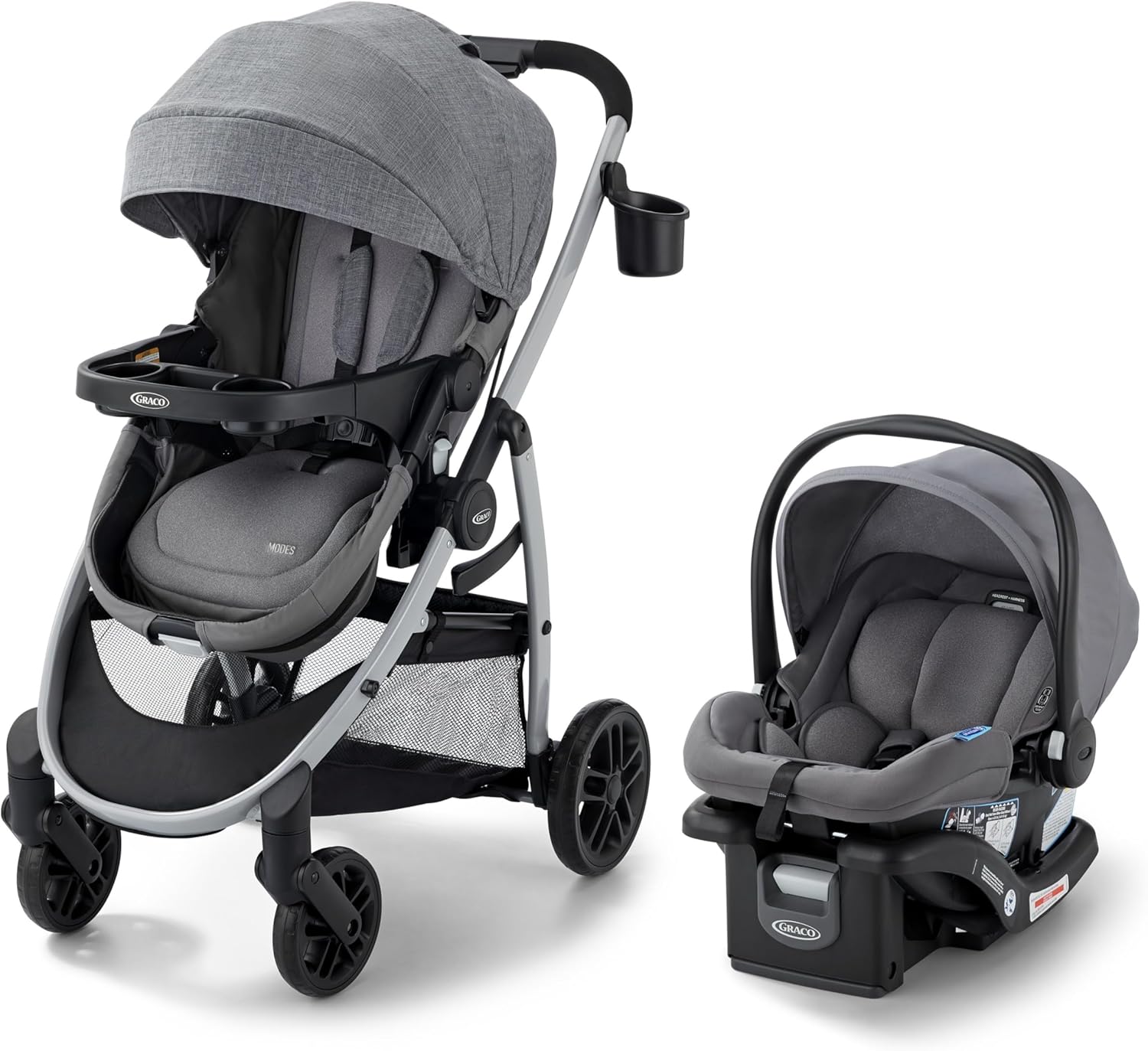
For car rides, your monitoring plan should include a properly fitted car seat with a preemie insert that keeps your baby’s airway open — the leading cause of in-seat desaturation events. Review our preemie car seat safety checklist for NICU graduates before the discharge car-seat tolerance test. Battery-powered pulse oximeters like the Masimo Rad-G can be belted to the seat for long trips; the Snuza Hero MD clips to a diaper and works on the go.
Frequently Asked Questions
How long should I use a home heart rate monitor on my NICU graduate?
Most neonatologists discontinue home cardiorespiratory monitoring once the baby has been event-free for 6–8 weeks and has reached approximately 43 weeks post-menstrual age — the age at which the immature breathing control responsible for apnea of prematurity typically matures. Your follow-up clinic will pull the monitor’s trend log and make the call. Never discontinue on your own without that review.
Are Owlet Smart Socks safe for babies with a bradycardia history?
The Owlet Dream Sock is FDA-cleared for healthy infants aged 1–18 months, not specifically for NICU graduates with bradycardia. It can serve as a useful adjunct once your neonatologist signs off, but it should not replace a prescribed medical-grade monitor during the period your discharge plan calls for clinical tracking. Many parents transition from a Masimo Rad-G to an Owlet around 3–4 months corrected age with explicit clinician approval.
Does insurance cover home pulse oximeters for NICU graduates with bradycardia?
In the United States, most commercial insurers and Medicaid will cover a prescription home cardiorespiratory or pulse oximetry monitor for an infant discharged with documented apnea and bradycardia events, oxygen dependence, or a tracheostomy. Coverage is processed through a durable medical equipment (DME) supplier the NICU social worker will arrange before discharge. Out-of-pocket cost is typically $0–$250. Direct-to-consumer monitors like the Owlet or Masimo Stork are almost never covered.
What pulse oximeter readings should trigger a 911 call for my NICU graduate?
Your discharge instructions will specify exact thresholds, but the general pattern is: any heart rate sustained below 60 bpm, any SpO₂ sustained below 80% that does not respond to gentle stimulation within 10–15 seconds, color change to blue or grey, or any episode requiring rescue breaths or CPR. Call 911 first, then notify your neonatologist. Do not waste time troubleshooting the monitor during a true event — always treat the baby, not the number.
Can I use a video baby monitor as a backup to my medical monitor?
Yes, and most NICU follow-up clinics actively recommend it. A video monitor lets you visually confirm chest rise, color, and positioning when the medical monitor alarms — turning a 30-second “stand up, walk to the crib” delay into an immediate visual check. It does not replace the contact monitor; it complements it. Look for a model with reliable night vision and a parent unit (not phone-only) so a Wi-Fi outage does not blind you.
What is the difference between an apnea monitor and a pulse oximeter?
An apnea monitor detects the absence of breathing motion or chest impedance change — it alarms on the upstream respiratory event. A pulse oximeter measures the downstream consequence — heart rate and oxygen saturation. For a bradycardia-history baby, oximetry is usually preferred because bradycardia is the clinically defined endpoint and oximetry catches both desaturation and the heart-rate drop in one device. Some discharge plans use both.
Should I choose a Masimo Stork or an Owlet Dream Sock for my preemie?
If your neonatologist approves a consumer-grade wearable, the Masimo Stork has a clinical edge because it uses the same Signal Extraction Technology algorithm validated in NICUs for two decades, with documented motion-tolerance performance. The Owlet Dream Sock is comfortable and has a polished app, but its accuracy claims are based on a different validation pathway. For a former preemie with a bradycardia history, Masimo’s clinical pedigree is the safer choice — again, only after your follow-up team signs off.
The Bottom Line
The best baby monitor for NICU graduate with bradycardia history home use in 2026 is the one your neonatologist prescribes, fitted with motion-tolerant pulse oximetry, configured with the alarm thresholds from your discharge summary, and backed up by a quality video monitor and a parent who has practiced infant CPR within the last 30 days. Direct-to-consumer wearables like the Masimo Stork have a role as step-down devices, but they are not first-line for a baby with documented As and Bs. Spend the first weeks home with the medical-grade device, log every event in a notebook, bring the trend report to every follow-up, and you will give your former preemie the same level of vigilance she had in the unit — just with you holding the alarm instead of a nurse at the central station.
Key Takeaways
- Choosing the right best baby monitor for NICU graduate with bradycardia history home use means matching capacity and output ports to your actual devices
- Always check actual watt-hours (Wh), not just watts — runtime depends on Wh, not peak output
- Also covers: NICU graduate home baby monitor bradycardia
- Also covers: heart rate baby monitor preemie home use
- Also covers: bradycardia history baby home heart monitor
- Compare price-per-Wh across models to find the best value for your budget