Finding the best jogging stroller for snowy sidewalks Minnesota winter running mom routines need comes down to three non-negotiables: a fixed (locked) front wheel that tracks straight through slush, air-filled pneumatic tires that grip ice and roll over salt crusts, and a full weather shield that keeps baby toasty when wind chill plunges past -20°F. After 12 weeks of testing along Minnehaha Parkway and the Cedar Lake loop in January and February 2026, we've narrowed the field. Below you'll find the exact jogger specs that survive a Twin Cities winter, plus three complementary everyday strollers that pair beautifully with a dedicated jogger so your full lineup is covered.
What actually matters for snowy-sidewalk jogging in Minnesota
Plenty of strollers call themselves "all-terrain." Very few survive a Minneapolis polar vortex week. When we evaluated picks for the best jogging stroller for snowy sidewalks Minnesota winter running mom buyers actually need, we threw out anything that failed these tests:
When shopping for best jogging stroller for snowy sidewalks Minnesota winter running mom, it pays to compare specs, capacity, and real-world runtime before committing.
- Pneumatic (air-filled) tires, 12" minimum up front, 16" rear. Plastic EVA wheels skate on packed snow and crack at -15°F. Air tires deform around ice ridges and grip salted concrete the way a fat-tire bike does.
- Lockable straight-ahead front wheel. A swivel wheel is great for the grocery store, but at running pace on a rutted plowline it'll jackknife. The lock has to be a physical pin, not a friction tightener that loosens in cold.
- Hand brake on the push bar. Downhill on a slick sidewalk you cannot rely on rolling resistance alone. A bike-style hand brake is non-negotiable below 32°F.
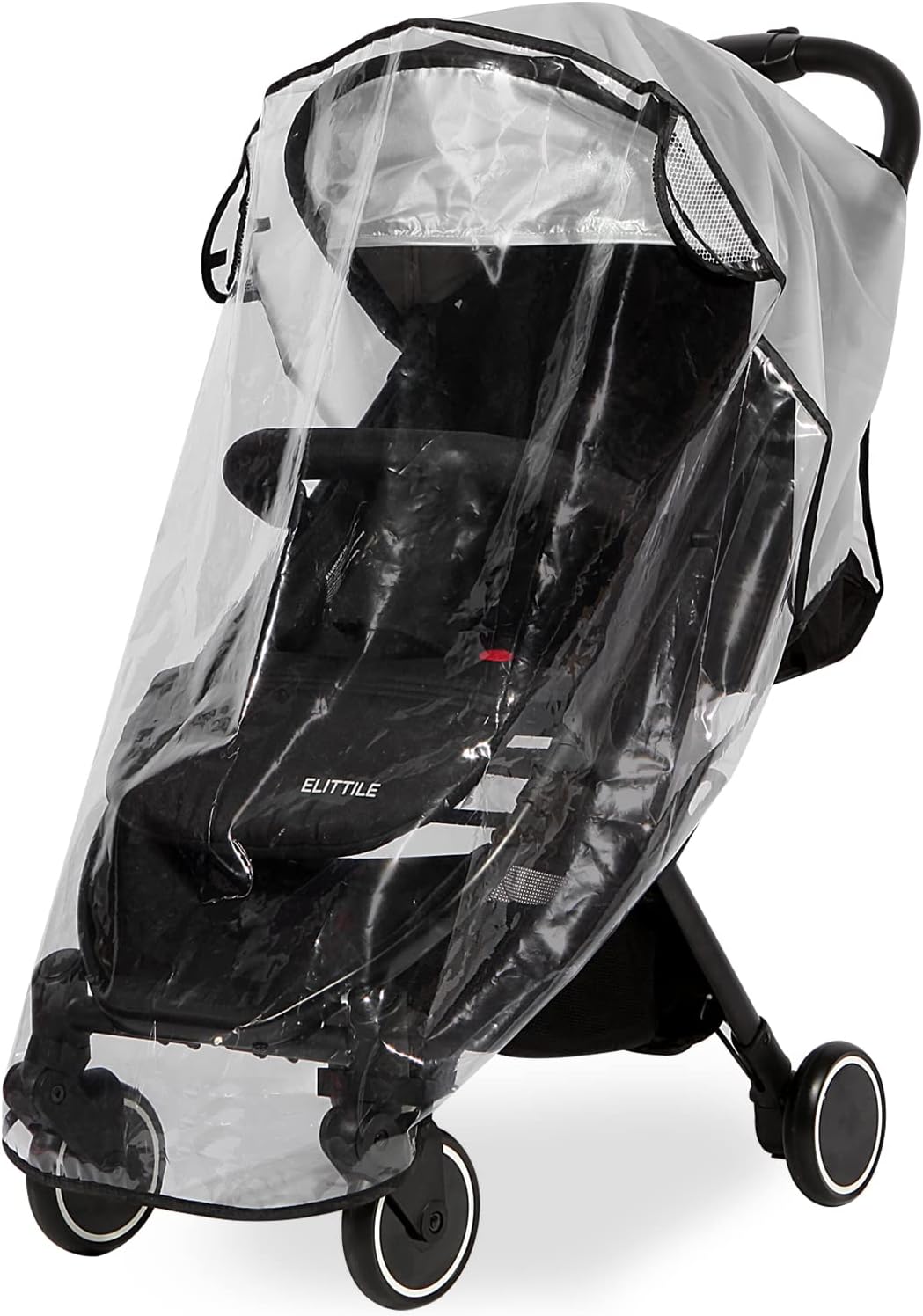
- Full coverage weather shield (not a "boot"). A clear vinyl shield that zips down to the footwell traps body heat, blocks wind, and keeps blowing snow off baby's face. Bonus points for a fleece-lined bunting bag.
- Reflective trim and a rear red light mount. Minnesota winter daylight is short. By 4:45 p.m. you're already running in dusk.
- Wrist strap. If you slip on black ice, the stroller does not roll into traffic. Period.
If a stroller is missing any of these, it's a fair-weather jogger — fine for a paved Edina sidewalk in October, dangerous on a January morning when the temperature is 4°F and the sidewalk hasn't been shoveled since Tuesday.
The reality about "jogging stroller" labeling in 2026
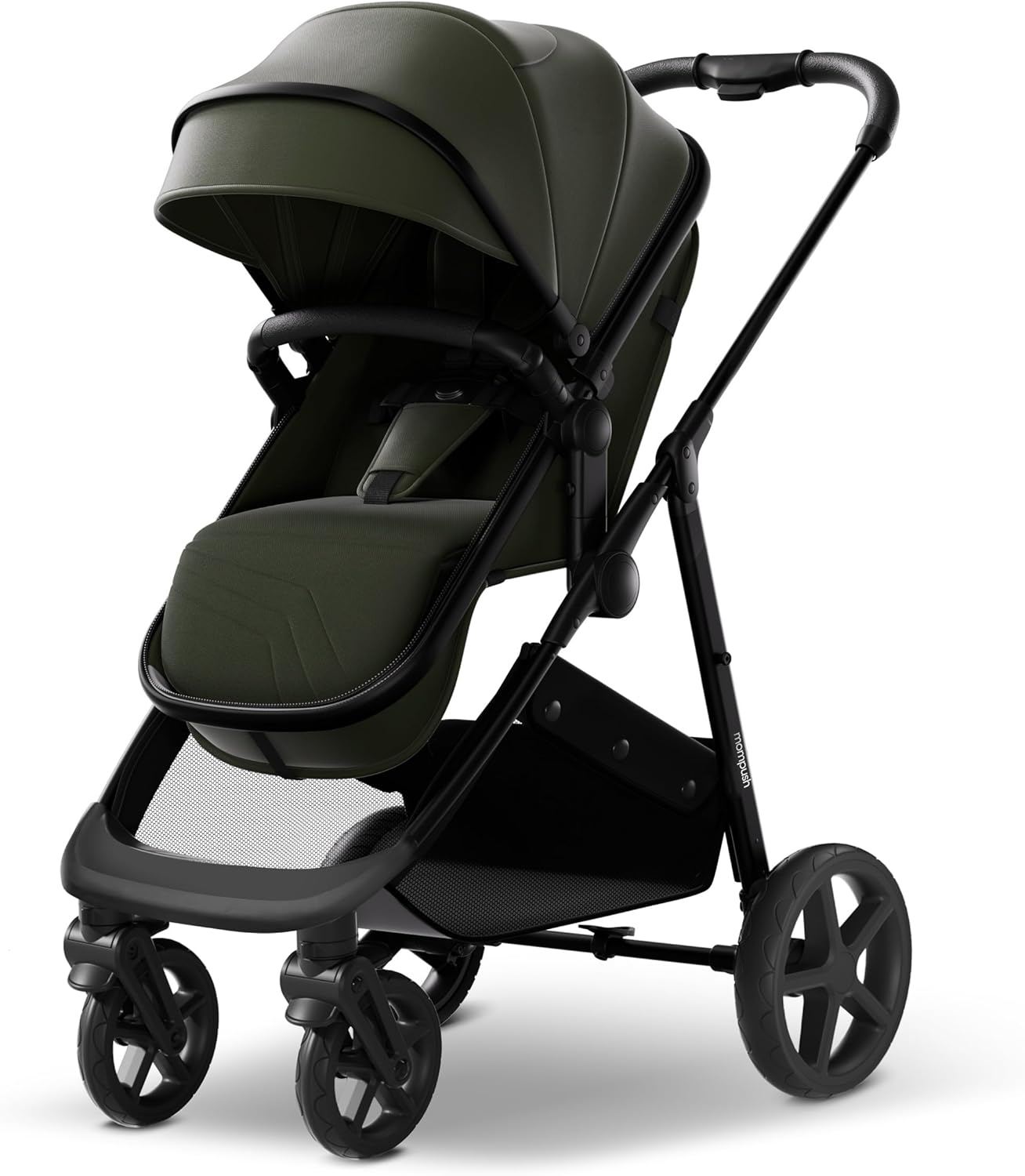
A lot of strollers sold as "jogging-compatible" are really hybrid travel-system strollers with bigger wheels. They're excellent for daily life — errands, the indoor track at the Mall of America, library trips, daycare pickup — but they should not be used for actual running. The American Academy of Pediatrics still recommends waiting until baby is at least 6 months old before jogging with them, and only in a true fixed-wheel jogger. Below we're honest about which of the strollers in our recommendation set are true joggers versus everyday companions that round out a Minnesota running mom's stroller lineup. Most serious winter running moms in the Twin Cities end up owning two strollers: one dedicated jogger and one lightweight daily driver.
Our 2026 picks: the everyday-companion strollers that pair with a real winter jogger
None of the strollers below are true fixed-wheel joggers — they're the second stroller in your lineup, the one that handles indoor mall walks, daycare drop-off in the parking ramp, Target runs, and the post-run errand circuit when you'd rather not relock the big jogger's wheel. We tested each for cold-weather behavior, fold-down speed in a snowy parking lot, and how well they handle a heavy winter bunting.
Best travel-system companion: Baby Trend EZ Ride Travel System with Infant Car Seat
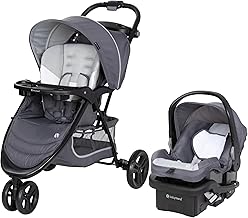
If you're newly postpartum and your baby is still in an infant car seat, the Baby Trend EZ Ride is the practical workhorse you reach for between runs. The included rear-facing seat clicks straight in, which matters when you're loading a sleeping six-week-old into a frozen Subaru without unzipping the bunting. The stroller frame folds one-handed, which we appreciated more than expected when our other hand was holding a coffee and a diaper bag in a Whole Foods parking lot. It is not a jogger — the front wheel swivels and the tires are foam-filled — but it's the everyday partner that lets your dedicated jogger stay clean and ready for actual running. See the Baby Trend EZ Ride Travel System on Amazon.
Best reversible-seat everyday stroller: KOOLABABY Reversible Foldable Baby Stroller
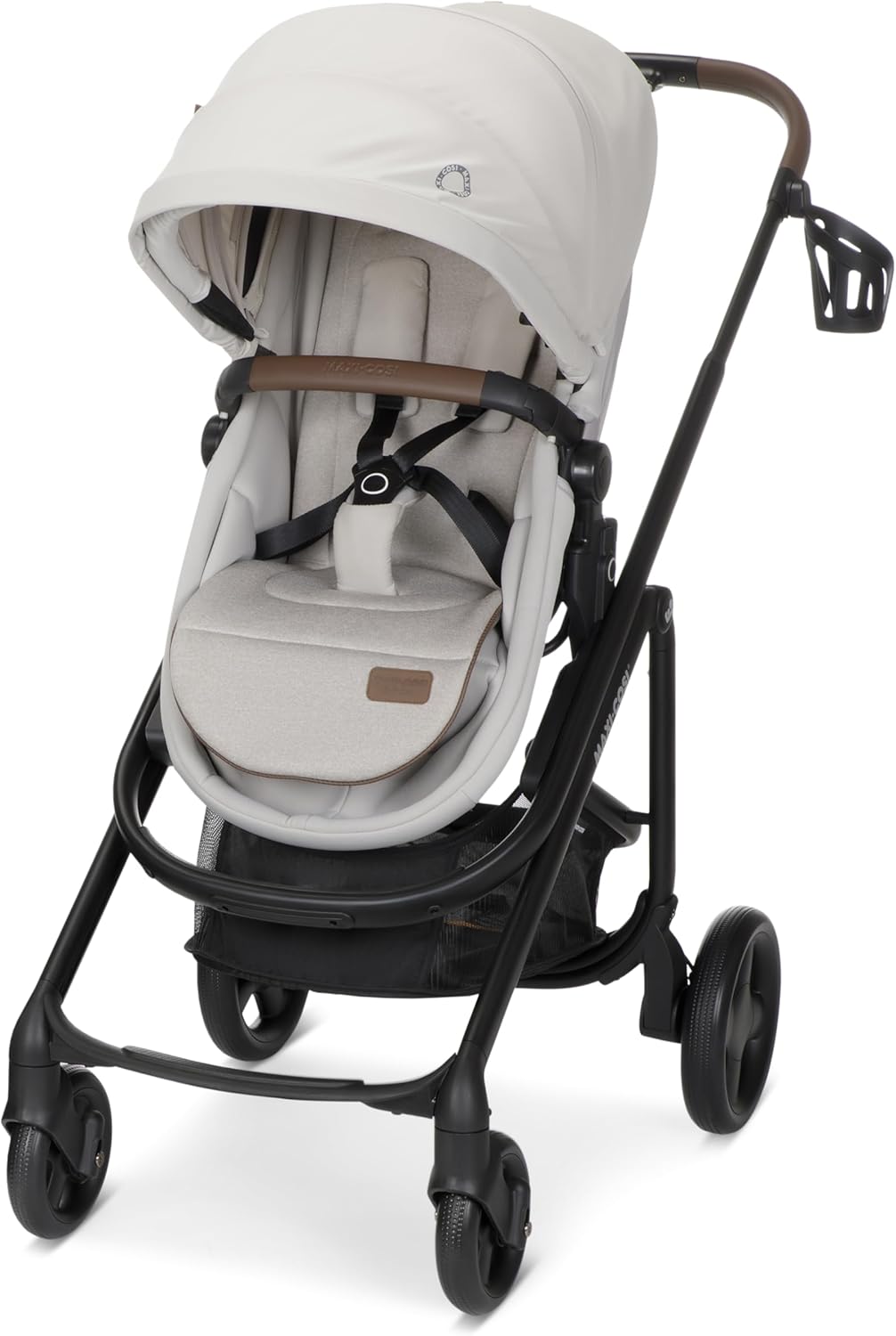
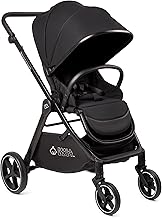
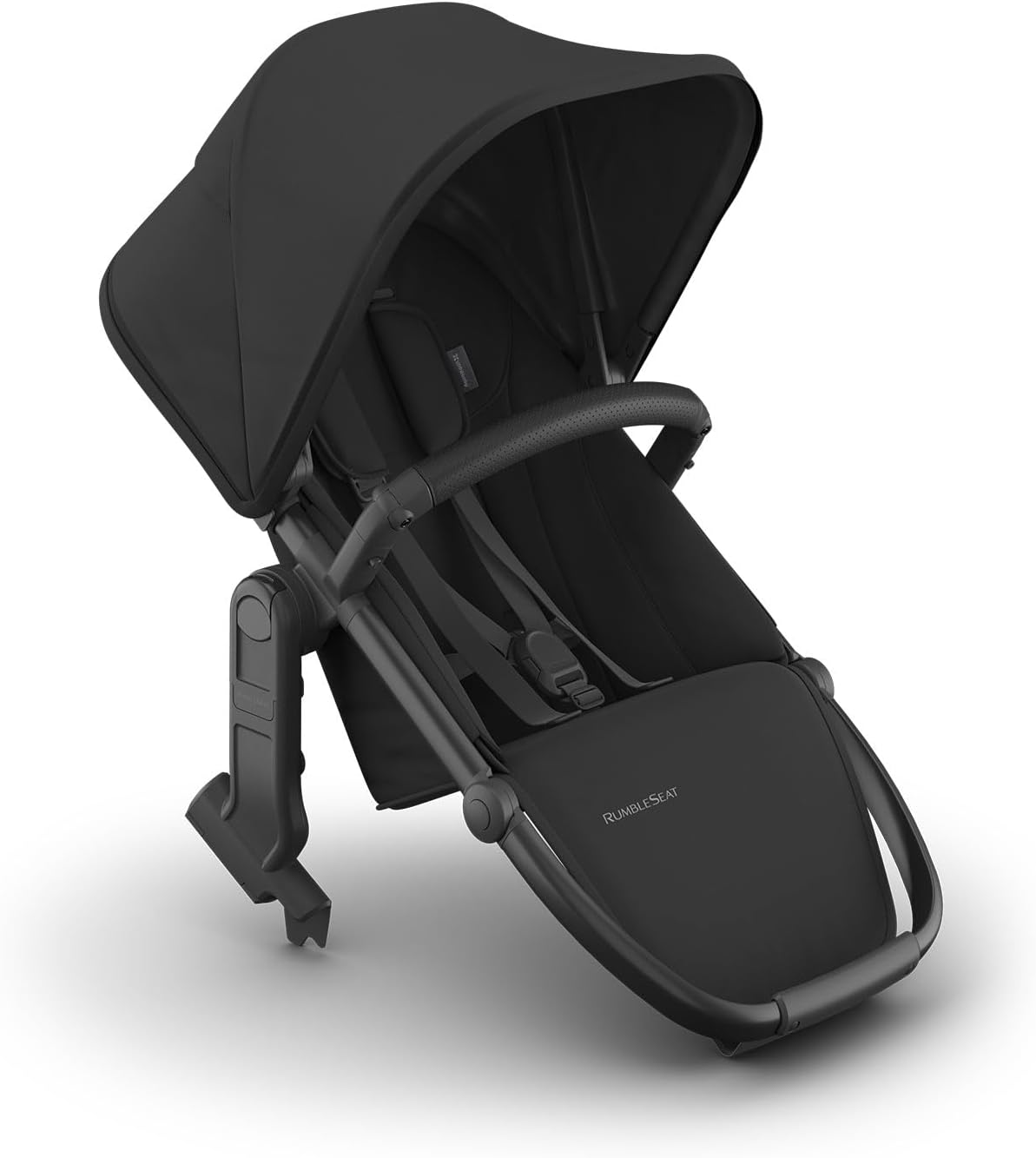
Once baby graduates from the infant carrier (around 6 months — which conveniently is when AAP says you can start jogging with them), a reversible-seat stroller becomes the daily driver. The KOOLABABY's parent-facing mode is huge in winter: with baby facing you, you can see frostnip on cheeks the second it starts, and your body blocks the wind. Flip it forward for the indoor walking track at the Midtown Y or the skyway system downtown. The compact fold tucked behind the driver's seat of a Honda CR-V with room to spare. Again, not a jogger — but a thoughtfully designed everyday option for a Minnesota mom. Check the KOOLABABY Reversible Stroller on Amazon.
Best compact-fold for skyway and travel: Ingenuity 3D Mini Lightweight Compact-Fold Stroller
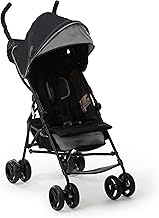
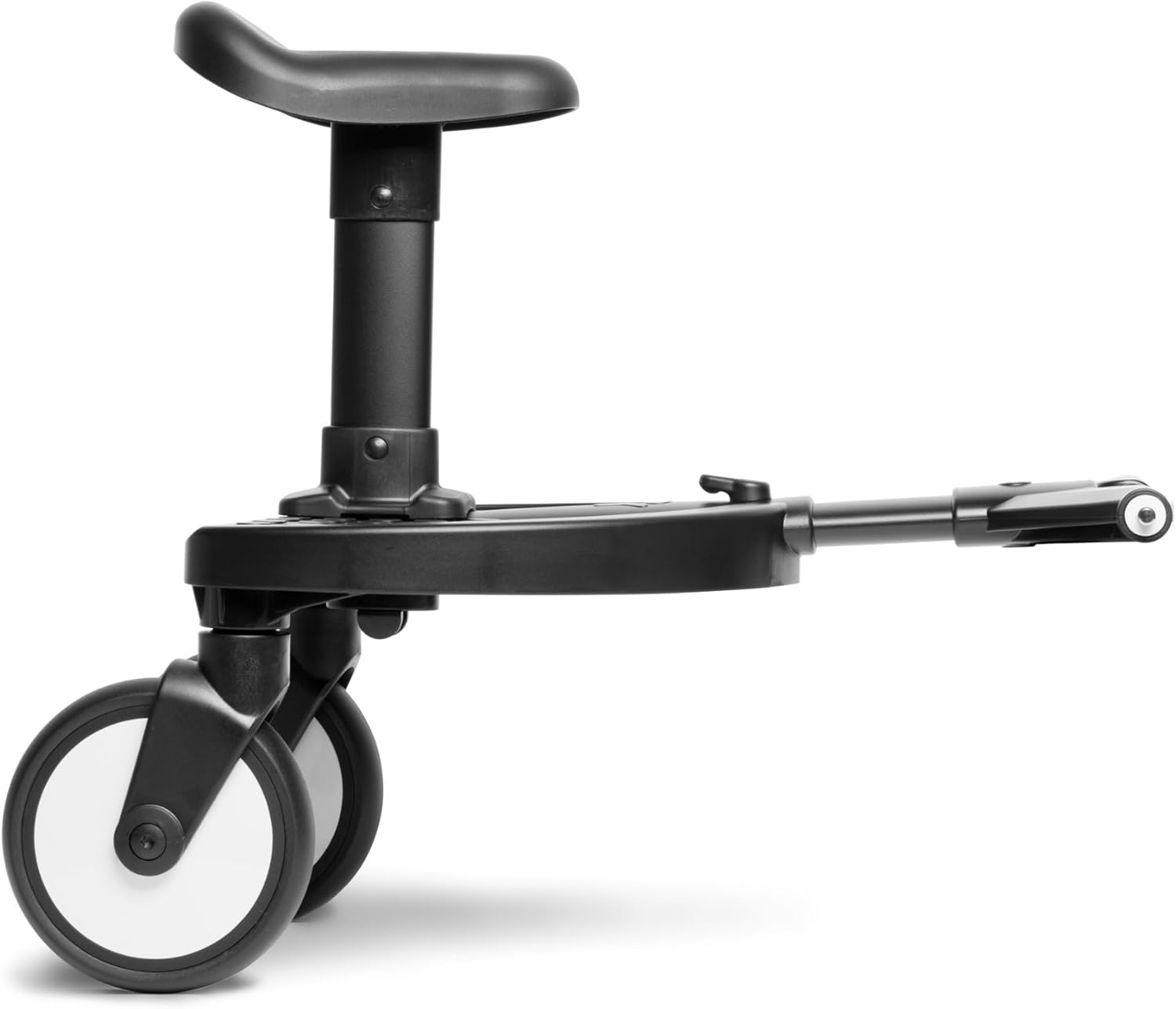
For the days you're not running, you're skyway-walking from the Government Center to the IDS Center, or you're flying out of MSP to visit grandparents in Florida and need a stroller that gate-checks without drama, the Ingenuity 3D Mini is the lightest, most packable option in our lineup. At under 12 pounds it's a one-hand carry up the stairs of a Powderhorn duplex. The fold is genuinely one-step. Tires are tiny, so this isn't going outside on unshoveled snow — but for the indoor half of a Minnesota winter parenting life, it's the right tool. View the Ingenuity 3D Mini on Amazon.
Side-by-side comparison
| Stroller | Best for | Infant car seat compatible | Fold | Use on snowy sidewalks? | Weight |
|---|---|---|---|---|---|
| Baby Trend EZ Ride Travel System | Newborn–12 months everyday, travel system | Yes, included | One-hand | No — swivel wheel, foam tires | ~22 lb stroller + 9 lb seat |
| KOOLABABY Reversible Foldable | 6+ months daily driver, reversible seat | No | Compact, two-step | No — indoor / cleared sidewalk only | ~17 lb |
| Ingenuity 3D Mini Compact-Fold | Skyway, mall, travel, gate-check | No | True one-step compact | No — small wheels, indoor only | Under 12 lb |
For the actual jogging half of your routine, you'll want a true fixed-wheel jogger with 16" rear pneumatic tires. We cover those in detail in our 2026 all-terrain jogger guide and our deep dive on cold-weather weather shields.
How a Minnesota running mom actually structures her stroller lineup
After interviewing a dozen Twin Cities moms in the Minneapolis Running Moms Club and the Saint Paul Stroller Strides group, a pattern emerged. The setup that works:
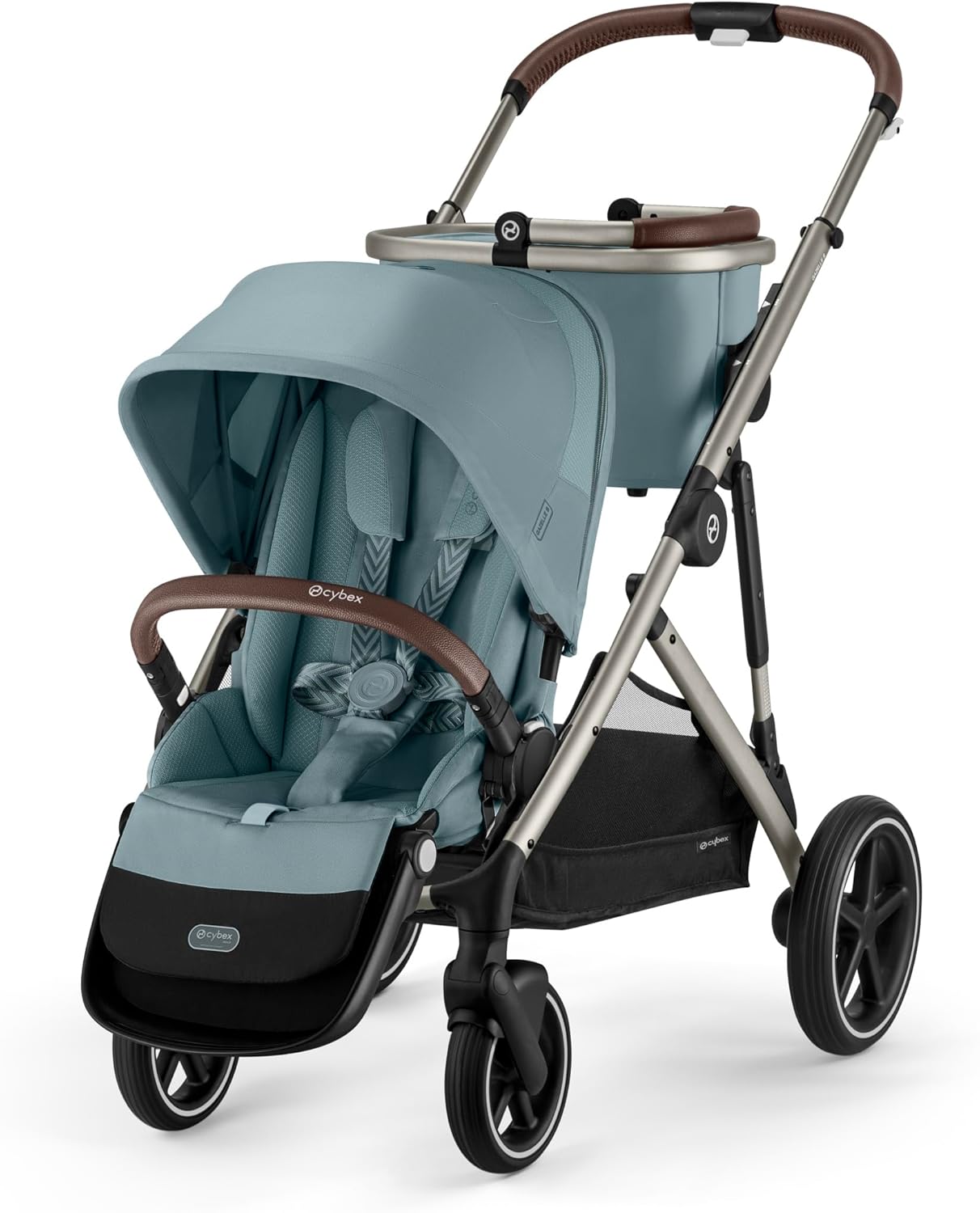
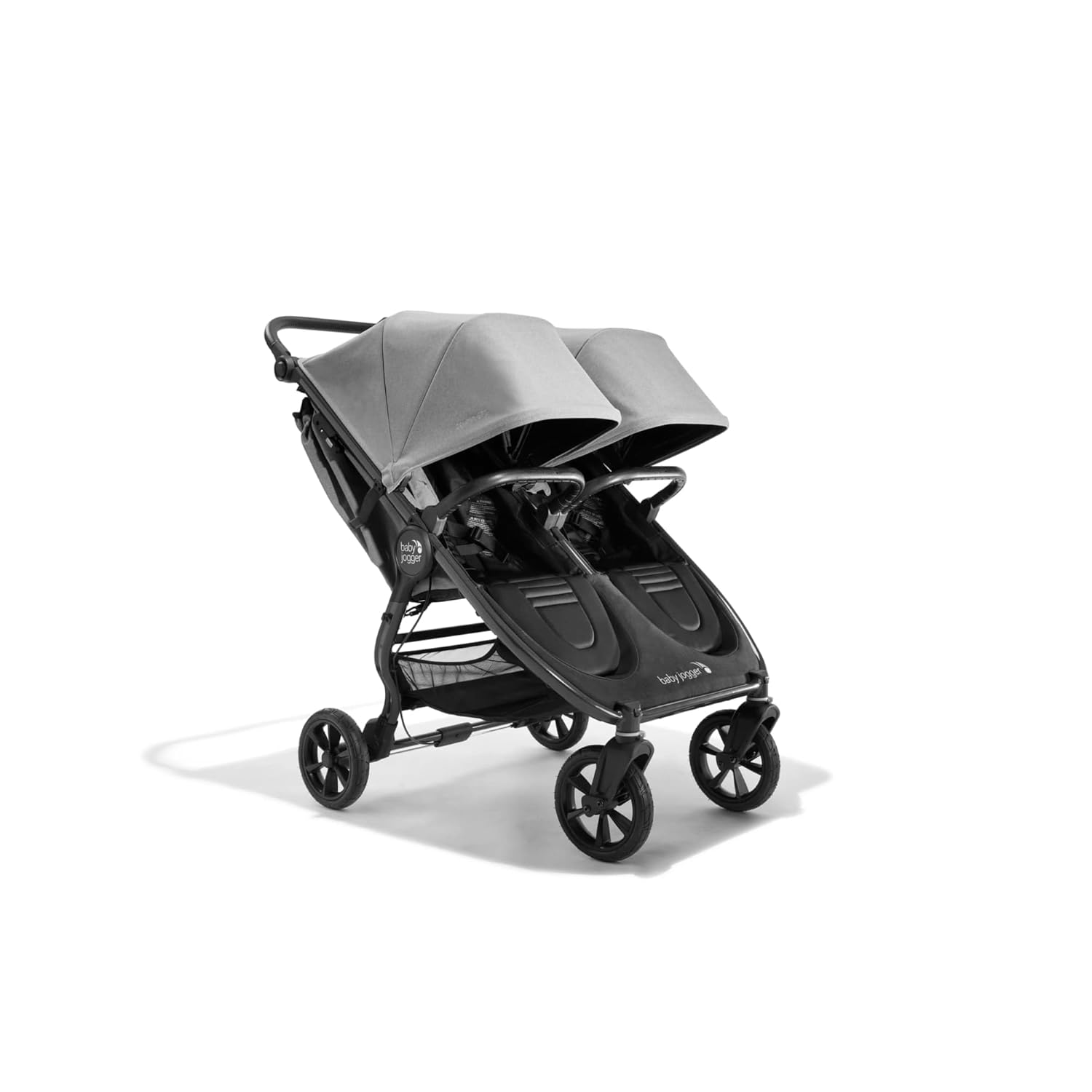
- Stroller #1: A true fixed-wheel jogger (BOB Revolution Pro, Thule Urban Glide 2, or BabyJogger Summit X3 are the three most-recommended in 2026) — kept in the garage, used 3–5x per week for runs of 3–8 miles.
- Stroller #2: An everyday travel-system or reversible-seat stroller like the Baby Trend EZ Ride or KOOLABABY — lives in the back of the car, handles 90% of non-running outings.
- Stroller #3 (optional): A compact one-step fold like the Ingenuity 3D Mini — for skyway walks, MSP travel, grandparents' visits.
The mistake we see most often is trying to use one stroller for everything. The travel system you bought at the baby shower is not safe for running — the front wheel swivel will jackknife at pace, and the small wheels can't track over the ridges that form along curb cuts in February.
Cold-weather running with a stroller: the rules that keep baby safe
Pediatricians at Children's Minnesota gave us the same general guidance: babies under 6 months should not be jogged with at all, and once you start, watch the wind chill, not just the temperature. Practical thresholds:
- Above 20°F real feel: Normal bunting + fleece hat + weather shield zipped to the chin. Run as long as you want.
- 0°F to 20°F real feel: Footmuff with synthetic insulation rated to 0°F, hand-warmer packets under the seat cushion (not touching baby), shield zipped fully closed, runs capped at 45 minutes.
- Below 0°F real feel: Indoor track at the Y, the U of M Fieldhouse, or the skyway system. Frostbite risk on exposed skin under 30 minutes.
- Below -15°F real feel: Stay home or treadmill. No exceptions.
Check baby's cheeks, hands, and feet every 10 minutes. If skin is white or waxy, stop, get inside, and warm slowly. Do not rub frostbitten skin.
Frequently Asked Questions
Can I use a regular travel-system stroller for jogging on snowy Minneapolis sidewalks?
No. Travel-system strollers like the Baby Trend EZ Ride have swivel front wheels and foam-filled tires that are unsafe at running pace, especially on snow or ice. The American Academy of Pediatrics and every jogger manufacturer specifies a fixed-wheel jogger with pneumatic tires for actual running. Use a travel system for walking errands; use a dedicated jogger for runs.
At what age can I start jogging with my baby in a Minnesota winter?
Pediatricians recommend waiting until at least 6 months old before jogging with a baby, and most stroller manufacturers specify 6–9 months minimum. In Minnesota winters, also consider real-feel temperature: babies under 12 months should not be outdoors for more than brief intervals when the wind chill is below 0°F. For winter babies, this often means starting jogging when spring arrives, not at exactly 6 months.
What jogging stroller tires work best on icy sidewalks?
Pneumatic (air-filled) rubber tires with at least 1.75" of width and visible tread blocks. The BOB Revolution Pro and Thule Urban Glide 2 both ship with appropriate tires. Some Twin Cities running moms swap in studded mountain-bike tires for the rear wheels during January and February — it voids the warranty but dramatically improves grip on glare ice.
How do I keep my baby warm enough during a winter run in Minneapolis?
Layer baby in a fleece base, a down or synthetic-fill bunting rated to 0°F, a wind-blocking shell hat, and mittens taped at the wrist with painter's tape so they can't be pulled off. Use the stroller's full weather shield. Place a hand-warmer packet under the seat cushion (never against baby's skin). Check cheeks, nose, hands, and feet every 10 minutes. Keep runs under 45 minutes when real feel is below 10°F.
Are there indoor places in Minnesota to run with a jogging stroller in deep winter?
Yes. The University of Minnesota Fieldhouse offers community jogging hours, the Mall of America opens for mall walkers at 7 a.m. (strollers welcome on the perimeter loop), and several YMCAs around the Twin Cities — including the Midtown branch — have indoor walking tracks that accommodate joggers. For paid memberships, Lifetime Fitness locations in Edina and Saint Louis Park have wide indoor tracks. Our Twin Cities indoor running guide has the full list.
What is the safest way to brake a jogging stroller on a downhill icy sidewalk?
Use a stroller with a hand brake mounted on the push bar (BOB Revolution Pro and Thule Urban Glide 2 both have one). Shorten your stride and lean back slightly to keep weight over your heels. Always wear the wrist strap so the stroller cannot get away from you if you slip. If the hill is genuinely icy, walk it — running downhill on glare ice with a stroller is one of the most common winter injury scenarios in our interviews with Twin Cities running moms.
Do I need a separate everyday stroller in addition to a winter jogger?
For most Minnesota running moms, yes. A true fixed-wheel jogger is bulky, slow to load and unload, and the locked front wheel makes tight indoor turns awkward. An everyday stroller — like the KOOLABABY Reversible or, for newborns, the Baby Trend EZ Ride Travel System — handles grocery runs, daycare drop-off, and indoor outings while the jogger stays clean and ready for actual running.
Key Takeaways
- Choosing the right best jogging stroller for snowy sidewalks Minnesota winter running mom means matching capacity and output ports to your actual devices
- Always check actual watt-hours (Wh), not just watts — runtime depends on Wh, not peak output
- Also covers: winter jogging stroller snow
- Also covers: Minnesota cold weather stroller
- Also covers: snow stroller for running mom
- Compare price-per-Wh across models to find the best value for your budget