The best lightweight stroller for Chicago L train with stairs and snow is one that folds one-handed in under three seconds, weighs under 15 pounds so you can carry it up Fullerton or Belmont stairs with a baby on your hip, and rolls on wheels large enough to punch through six inches of slush at the Damen Blue Line entrance. For 2026 CTA parents, that means a compact umbrella-style frame with a rigid standing fold, foam-filled (not air) tires, a fully enclosed weather boot, and a shoulder strap so you can sling it when the escalator at Jackson is out — again.
Below are the three real models worth considering this winter, a head-to-head comparison table, and the gear that turns any lightweight stroller into a snow-ready L-train rig. We'll also answer the long-tail questions Lincoln Park, Logan Square, and Rogers Park parents actually ask: is gate-checking allowed on the Red Line, what tire size handles Lower Wacker slush, and when does a travel system make more sense than a pure umbrella stroller.
When shopping for best lightweight stroller for chicago l train with stairs and snow, it pays to compare specs, capacity, and real-world runtime before committing.
Why the Chicago L + Snow Combo Breaks Most Strollers
Most lightweight strollers are designed for suburban mall floors, not the CTA. The Chicago L throws three specific stressors at a stroller that a typical Graco or Chicco lightweight wasn't built for. First, stairs: roughly 40% of L stations either lack elevators entirely or have elevators that are out of service on any given week, per the CTA's own accessibility status page. That means you will, repeatedly, lift the stroller — often with the kid still in it — up a full flight. Anything over 16 pounds becomes brutal by month three.
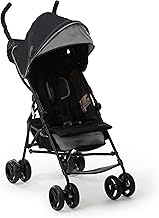
Second, snow and slush. Chicago averages 36 inches of snow per winter, and the city salts heavily. Small plastic wheels (under 5 inches) skip across packed snow and get jammed by road salt crystals inside the bearings. The best lightweight stroller for Chicago L train with stairs and snow needs wheels at least 5.5 inches in diameter, ideally with sealed bearings or at least easily rinsable hubs.
Third, the fold. CTA train doors close in about 8 seconds. If your stroller takes two hands and a knee to collapse, you're missing trains. A true one-hand standing fold is non-negotiable.
Quick Comparison: Top 3 Lightweight Strollers for CTA Parents in 2026
| Model | Weight | Fold Type | Wheel Size | Best For |
|---|---|---|---|---|
| Ingenuity 3D Mini Compact-Fold | ~12 lbs | One-hand standing umbrella fold | 5.5" | Daily L commuters, stair-heavy stations |
| KOOLABABY Reversible Foldable | ~15 lbs | Two-step compact fold, reversible seat | 6" | Parents who want bassinet-style recline + snow boot |
| Baby Trend EZ Ride Travel System | ~21 lbs (frame only ~16) | Tri-fold with car seat click-in | 7" | Newborn + car owners who also ride the L weekly |
Our Top Picks for the Chicago L + Snow
1. Ingenuity 3D Mini Lightweight Compact-Fold Stroller — Best Overall for Daily L Commuters
If you're taking the Brown Line from Southport to the Loop five days a week, the Ingenuity 3D Mini is the closest thing on the U.S. market to the European-style compact umbrella that's specifically engineered for transit. At roughly 12 pounds, it's light enough to one-arm up the Western Brown Line stairs while holding a toddler. The standing fold is the real story: pull the trigger on the handlebar, give the frame a shove, and it collapses to roughly the size of a folded camp chair — small enough to wedge between your knees in a crowded train car at rush hour.
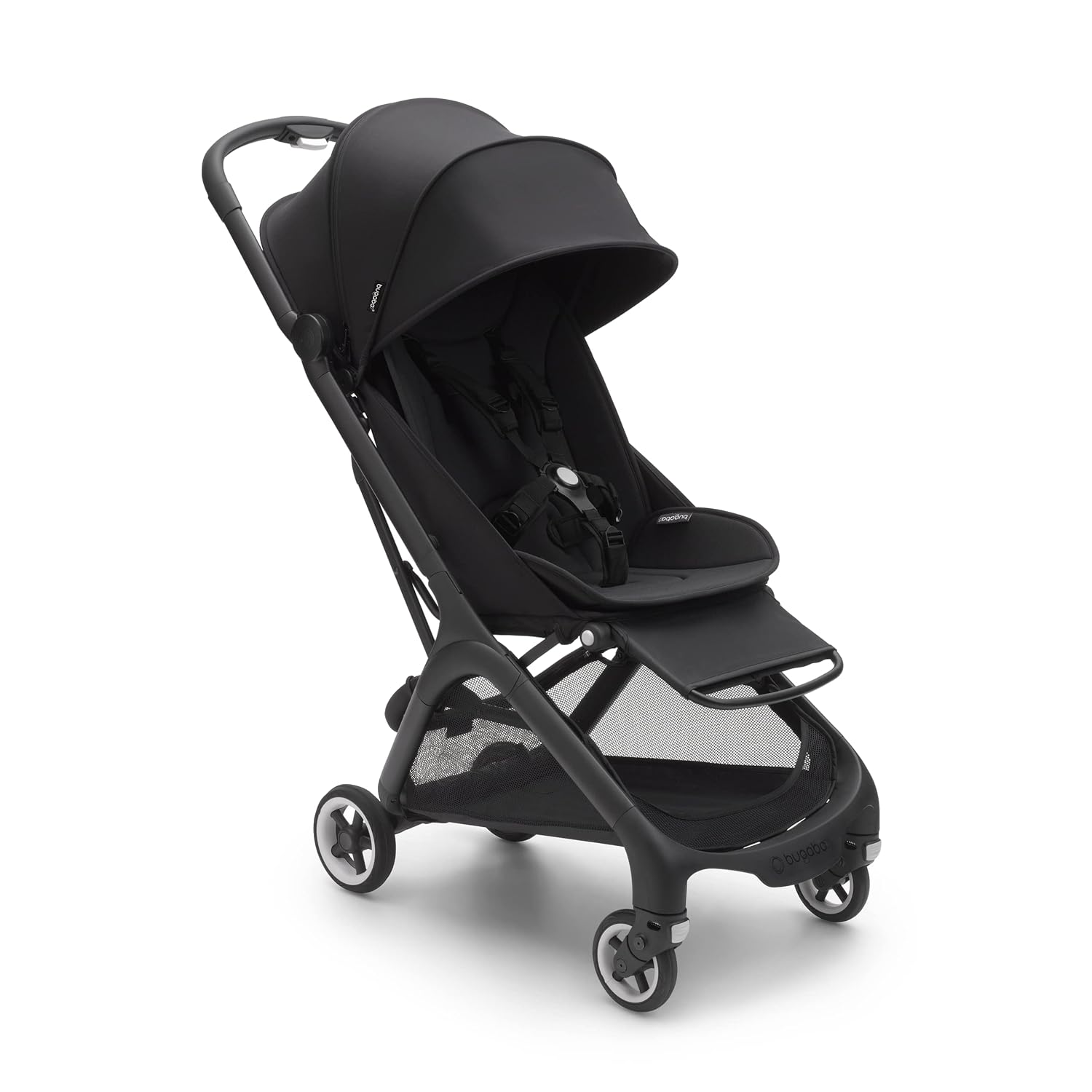
The 5.5-inch wheels aren't as aggressive as a jogger's, but they're double-bearing on the front and handle 2-3 inches of fresh snow without skipping. Pair it with a universal weather shield and you've got a credible winter rig. Storage basket is honest-to-goodness diaper-bag sized, the canopy has a UPF 50+ rating for summer, and the harness is a proper 5-point. The seat reclines to about 135 degrees, which isn't fully flat — so it's best for babies 6 months and up who can sit assisted.
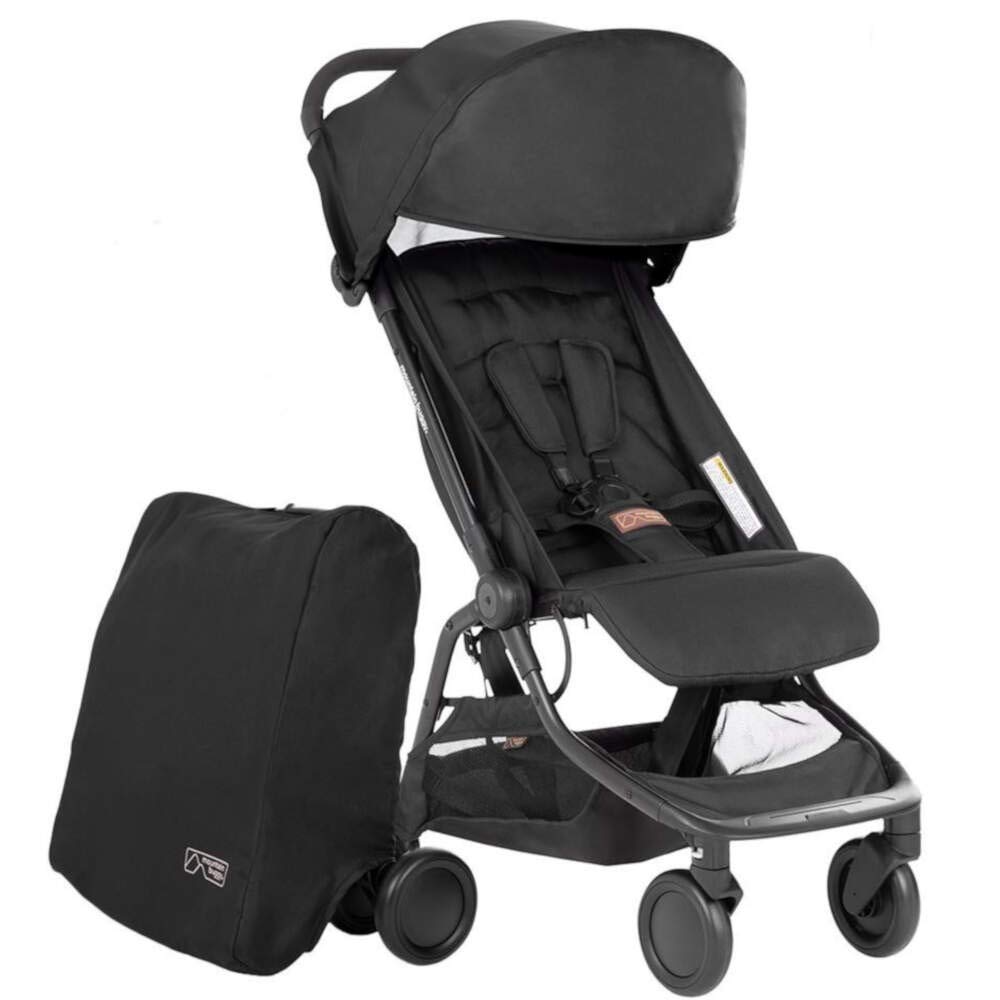
Check the Ingenuity 3D Mini on Amazon
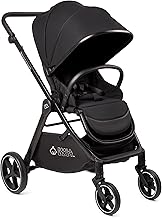
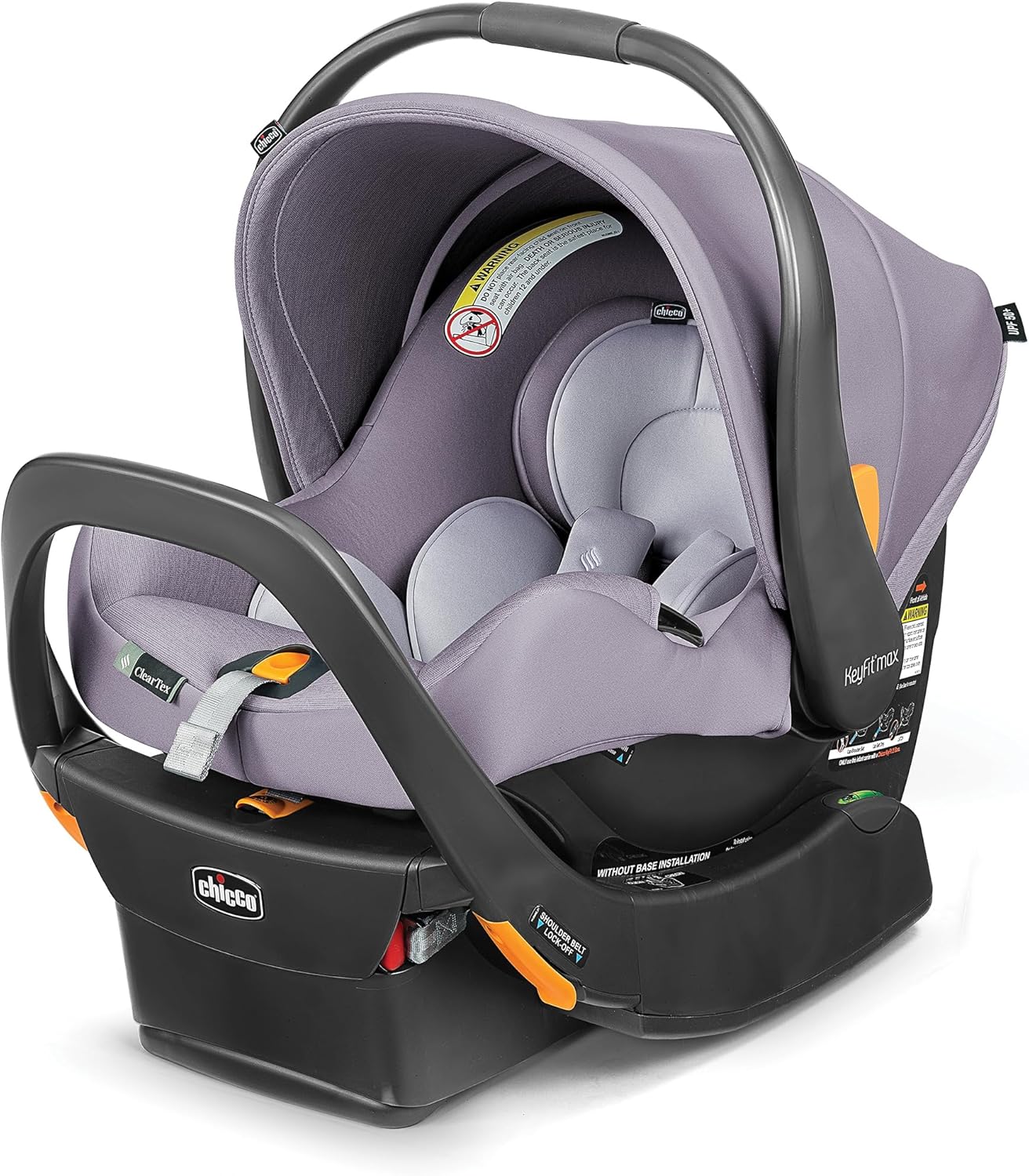
2. KOOLABABY Reversible Foldable Baby Stroller — Best for Newborn-to-Toddler Versatility
The KOOLABABY is the pick if you need a stroller that grows with the kid AND survives Chicago winters. The reversible seat is the headline feature: parent-facing for the newborn months (when you want eye contact and to monitor the baby), then flip to world-facing once they hit the curious-toddler phase around 9-12 months. The seat reclines nearly flat, which means it functions as a quasi-bassinet for naps on the Blue Line ride home from O'Hare.
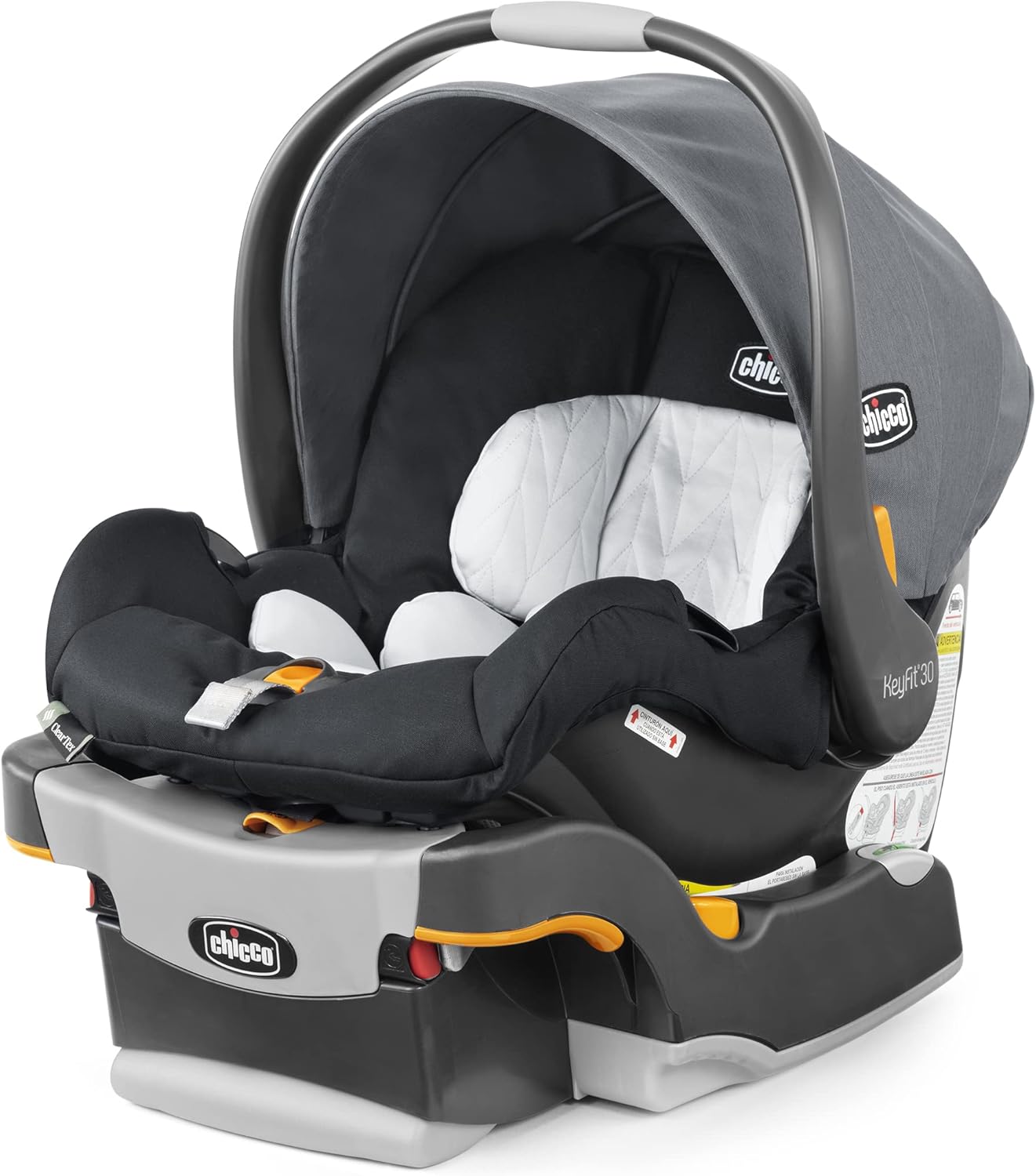
At about 15 pounds, it's heavier than the Ingenuity, but the trade-off is a sturdier frame with 6-inch EVA foam wheels that handle Lower Wacker slush and the salt-crusted sidewalks of Logan Square better than any sub-13-pound competitor. The fold isn't quite one-handed — it's a two-step lever-and-push — but once collapsed it stands on its own, which matters when you're juggling a kid, a diaper bag, and a Ventra card at the Logan Square turnstile. The included rain/snow cover is genuinely useful (most bundled covers are junk; this one isn't).
Check the KOOLABABY Reversible on Amazon
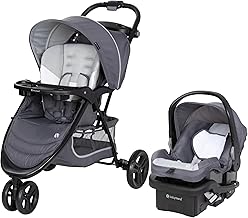
3. Baby Trend EZ Ride Travel System with Infant Car Seat — Best for Newborn + Occasional Car Use
Strictly speaking, a full travel system is not the lightest option for the L. But if you're a newborn parent who Ubers to the pediatrician, takes the L to meet friends in Wicker Park, and occasionally borrows a car for Costco runs, the Baby Trend EZ Ride solves three problems for one purchase. The infant car seat clicks into the stroller frame, into any vehicle with a LATCH system, and into the included base — so you can carry a sleeping newborn off the Red Line and into a friend's apartment without waking them.
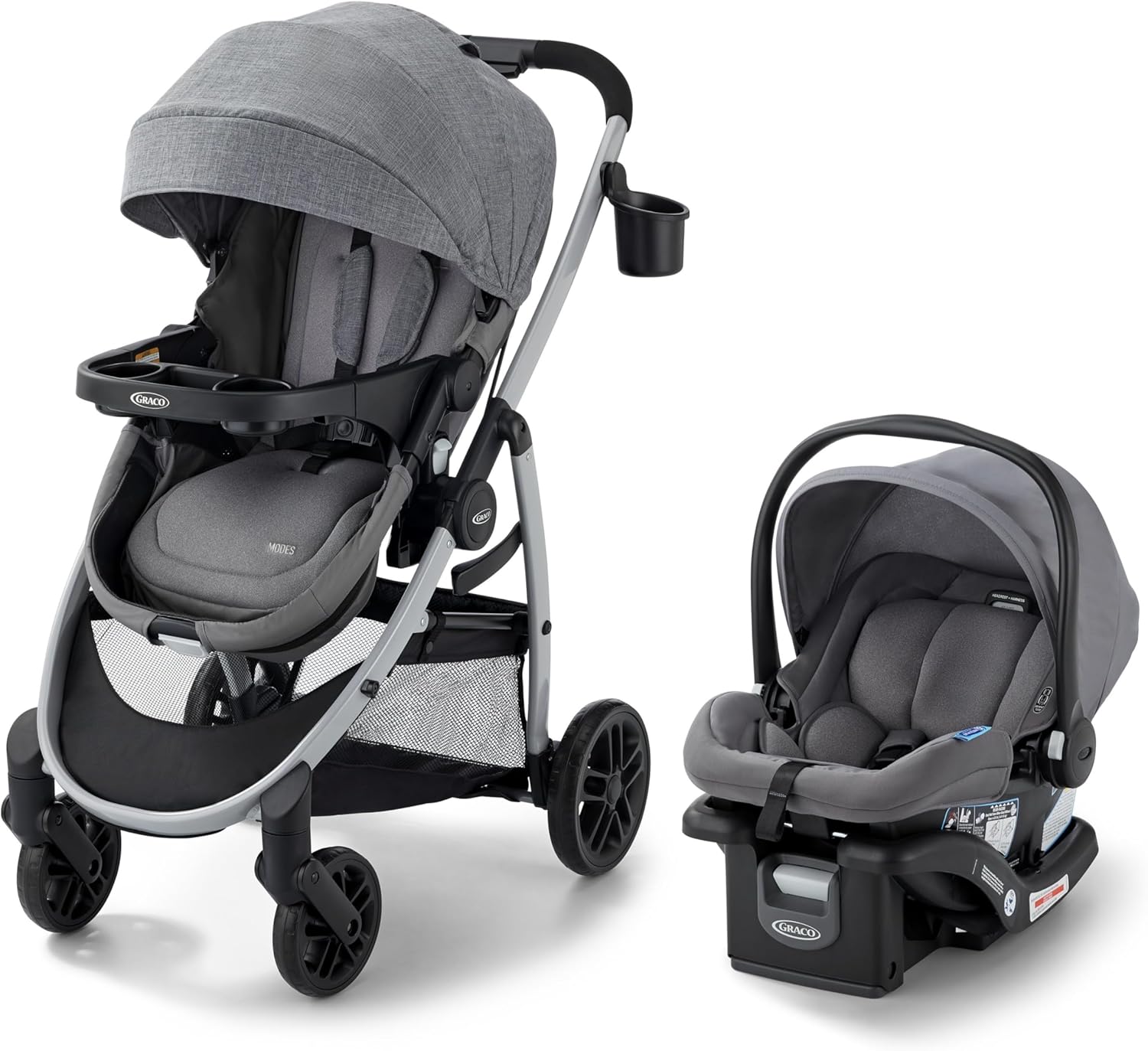
The stroller frame is heavier than our top two picks (around 16 pounds bare, 21 with the seat clicked in), so this is not the right buy if you're climbing Belmont stairs daily. But the 7-inch wheels are the largest in this roundup and genuinely shrug off snow that would stall the Ingenuity. For the 0-9 month window, when you need car-seat compatibility more than you need feather weight, this is the smart play. Graduate to a lighter umbrella stroller around the time the kid can sit up.
Check the Baby Trend EZ Ride Travel System on Amazon
Snow + L Train Accessories That Actually Matter
The stroller is half the battle. The other half is the kit you bolt onto it. For Chicago specifically:
- A universal weather shield with a vented top. Non-vented shields fog up in 30 seconds when you go from -5°F outside to a heated Red Line car. Look for mesh ventilation panels.
- A footmuff or stroller bunting rated to 0°F. The JJ Cole BundleMe is the classic; the 7AM Enfant Nido is the upgrade pick. Both fit any of the three strollers above.
- A shoulder carry strap. Most lightweight strollers ship without one. A $15 padded camera strap clipped to the frame turns stair-carrying from a wrestling match into a one-shoulder sling.
- Wheel covers or a quick-rinse routine. Salt destroys bearings. Hose the wheels in your bathtub every Sunday from December through March.
For more on cold-weather gear, see our guide on best stroller footmuff for sub-zero windchill and the deeper breakdown of stroller rain cover vs snow shield differences.
How to Actually Carry a Stroller Up L Station Stairs
Technique matters more than weight, within reason. The right way: collapse the stroller before you approach the stairs, sling it over your dominant shoulder with the shoulder strap, and carry the baby in the opposite arm or in a front carrier. The wrong way (and the way every new parent tries first): leaving the kid in the stroller and dragging it up backward. That tips over, scrapes the wheels, and is how strollers break frames.
If you commute through a station with reliably broken elevators — looking at you, Granville and Argyle — invest in an ErgoBaby Omni or similar front carrier and treat the stroller as a once-on-the-platform tool. That's also covered in baby carrier vs stroller for CTA commute.
What About Jogging Strollers for Snow?
Tempting, but no. A BOB or Thule jogger has the snow wheels you want — but they're 25-30 pounds, don't fold compactly, and the CTA will look at you sideways when you try to wedge one between the doors at Clark/Lake during rush hour. Save the jogger for the Lakefront Trail and use a real lightweight stroller for the L. Some parents own both. If that's your plan, see best jogging stroller for the Lakefront Trail in winter.
Frequently Asked Questions
Can I bring a stroller on the Chicago L train without folding it?
Yes, CTA policy explicitly allows unfolded strollers, and operators will not ask you to collapse one with a child inside. That said, during AM and PM rush (7–9am, 4–6:30pm), an unfolded stroller in a packed car is genuinely difficult — you'll block the aisle and likely the doors. The practical rule: off-peak, leave it open; rush hour, fold it. This is the single biggest reason a one-hand standing fold matters in Chicago specifically.
Which L stations have working elevators in 2026?
As of early 2026, roughly 70 of the 145 CTA rail stations are listed as ADA-accessible with elevators, but day-to-day uptime varies. Check the CTA's real-time elevator status page before you commit to a route, especially on the Red and Blue Lines where outages are most frequent. If you live near a no-elevator station like Sedgwick or Damen Brown, your stroller weight requirement drops by about 3 pounds — every ounce matters when you're climbing twice a day.
What's the lightest stroller that still works in deep snow?
The Ingenuity 3D Mini at about 12 pounds is the sweet spot. Anything lighter (the sub-10-pound "travel" strollers like the GB Pockit) has wheels too small for snow — they're built for airport terminals, not Chicago sidewalks in February. If you're commuting through unplowed side streets in Pilsen or Albany Park, step up to the 15-pound KOOLABABY for the 6-inch wheels.
Do I need an all-terrain stroller for Chicago winters?
Not strictly — an all-terrain (three-wheel, air-filled tires) is overkill for an L commute and a nightmare to fold. What you actually need is foam-filled (EVA) wheels of at least 5.5 inches and a frame stiff enough not to flex when one wheel hits a curb. All three picks above meet that bar. Air-filled tires are actively worse in Chicago because they go flat in the cold and can't be patched at 7am before daycare drop-off.
How do I protect my stroller from road salt damage?
Rinse the wheels and lower frame with warm water once a week from December through March, and once a month spray the wheel bearings with a silicone-based lubricant like 3-IN-ONE silicone spray (not WD-40, which strips grease). Avoid storing the stroller in an unheated garage where salt residue will crystallize overnight and seize the bearings. A $20 stroller storage cover keeps slush off the seat fabric between uses.
Is a travel system worth it if I mostly take the L?
For the first 6-9 months, yes — being able to click a sleeping baby out of the car seat and into the stroller frame (or vice versa) is genuinely useful even if you only Uber occasionally. After that, the travel system frame is overkill and you'll want to graduate to a pure lightweight like the Ingenuity. The Baby Trend EZ Ride is the most cost-effective travel system that gives you that 0-9 month bridge without locking you into a heavy frame forever.
What stroller do Chicago daycares actually allow inside?
Most Chicago daycares require strollers to fold flat and fit in a cubby roughly 12 x 24 inches. The Ingenuity 3D Mini and the KOOLABABY both meet that envelope when folded; the Baby Trend EZ Ride does not — it's too bulky folded and most daycares will ask you to leave it in the lobby. If your daycare has limited stroller storage (common in Lincoln Park converted-brownstone facilities), prioritize fold dimensions over every other spec.
When should I replace a winter-worn stroller?
A well-maintained lightweight stroller used daily on the L should last 2-3 years before the wheels develop play in the bearings or the fold mechanism starts sticking. Telltale signs it's time: the stroller pulls to one side on flat ground (worn bearings), the fold won't fully latch (fatigued spring), or the harness webbing shows fraying near the buckle (UV damage). Don't push past these — a stroller that collapses unexpectedly on the Belmont platform is the nightmare scenario.
Key Takeaways
- Choosing the right best lightweight stroller for chicago l train with stairs and snow means matching capacity and output ports to your actual devices
- Always check actual watt-hours (Wh), not just watts — runtime depends on Wh, not peak output
- Also covers: chicago el train stroller winter
- Also covers: lightweight stroller cta stairs
- Also covers: best stroller chicago public transit
- Compare price-per-Wh across models to find the best value for your budget