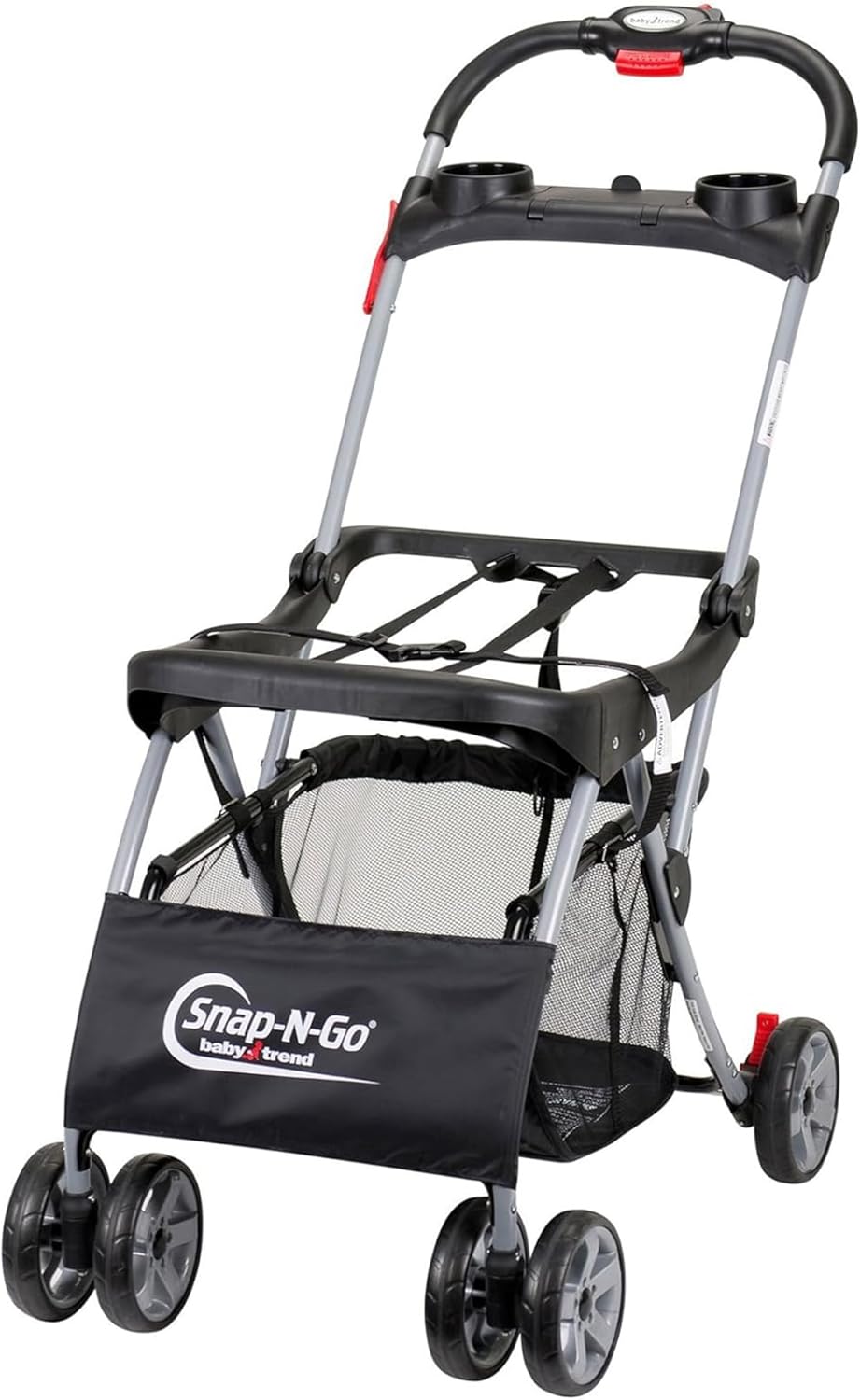
If you take Ubers with a baby, the best travel system for uber rideshare no base is one whose infant car seat is rated for European belt routing, weighs under 10 pounds, and snaps off the stroller frame in seconds. You skip the base entirely, thread the rideshare car's seatbelt through the carrier shell along a clearly marked blue path, lock the belt, and you are riding safely in under 90 seconds. For 2026 our top recommendation is the Baby Trend EZ Ride Travel System, because its carrier has a printed lap-belt path, a thin shell that fits between front and rear seats, and a stroller that folds flat enough for an Uber X trunk.
Why a baseless install matters for rideshare parents
Most infant car seat instruction manuals show two valid installation methods: with the base (recommended for fixed daily use) and without the base, often called European belt routing or baseless install. For parents who rely on Uber, Lyft, or taxis, the baseless method is the only realistic option. You cannot leave a $90 base in a stranger's trunk, and asking a driver to wait while you wrestle a base into a SUV middle row is a non-starter, especially in the rain with a crying newborn.
When shopping for best travel system for uber rideshare no base, it pays to compare specs, capacity, and real-world runtime before committing.
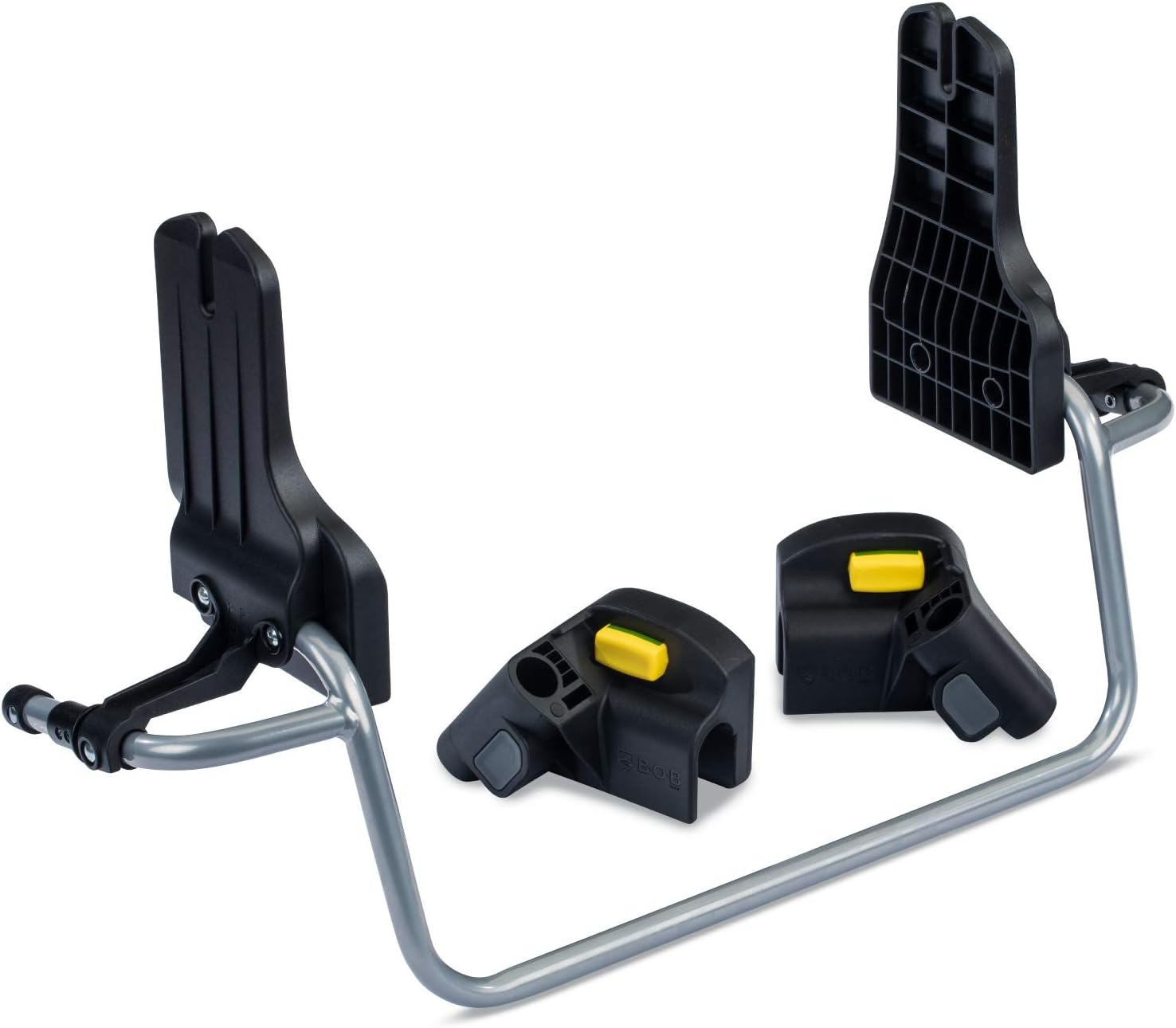
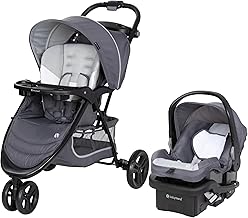
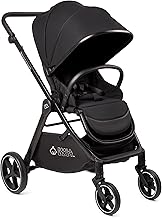
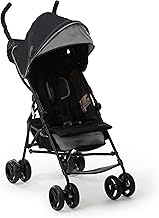
The trick is picking a travel system whose carrier was actually engineered for this workflow, not one where baseless install is buried in a footnote on page 47. The best travel system for uber rideshare no base should pass three tests: the belt path is printed in bright contrasting color on the shell, the lock-off (the plastic clip that holds the shoulder belt in place) is one-handed, and the carrier itself does not weigh more than your diaper bag.
What to look for in a no-base travel system
- Printed European belt path. The lap belt should route through visible guides on the shell sides, and the shoulder belt should wrap around the back of the carrier through a labeled channel. If the belt path is only described in the manual, skip it.
- Built-in lock-off. A red or blue plastic clip that grabs the shoulder belt and prevents slack. This is the difference between a 60-second install and a 4-minute fight.
- Carrier weight under 10 lb. You will be lifting this carrier plus your baby in and out of strange cars dozens of times a week. Anything heavier becomes a chore by month three.
- Compact stroller fold. Uber X drivers are usually in compact sedans. A stroller that folds umbrella-style or self-stands compact will fit any trunk, including a Prius.
- FAA aircraft approval. If you ever combine rideshare with travel, an FAA-approved carrier doubles as your plane seat. Most modern infant seats carry the red sticker.
For a deeper breakdown of belt routing, see our guide on European belt path vs American belt path infant car seats.
2026 comparison: top travel system and stroller picks for rideshare
| Pick | Best for | Carrier weight | Folded stroller | Base needed? |
|---|---|---|---|---|
| Baby Trend EZ Ride Travel System | Full rideshare workflow | ~9 lb carrier | Standard fold | No – baseless EU belt path |
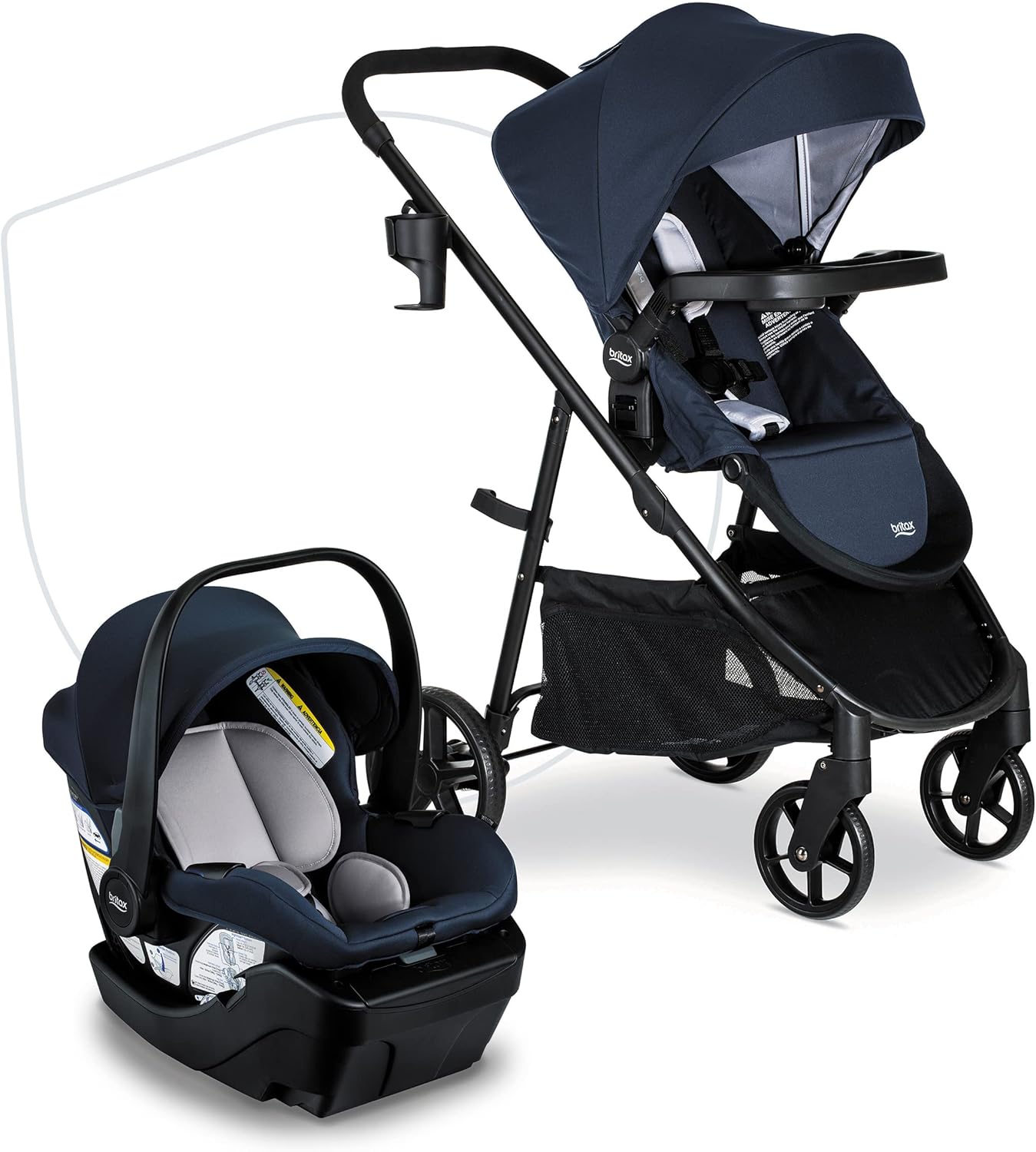
| Ingenuity 3D Mini Compact-Fold | Backup stroller after baby outgrows carrier | n/a (stroller only) | Self-standing umbrella fold | n/a |
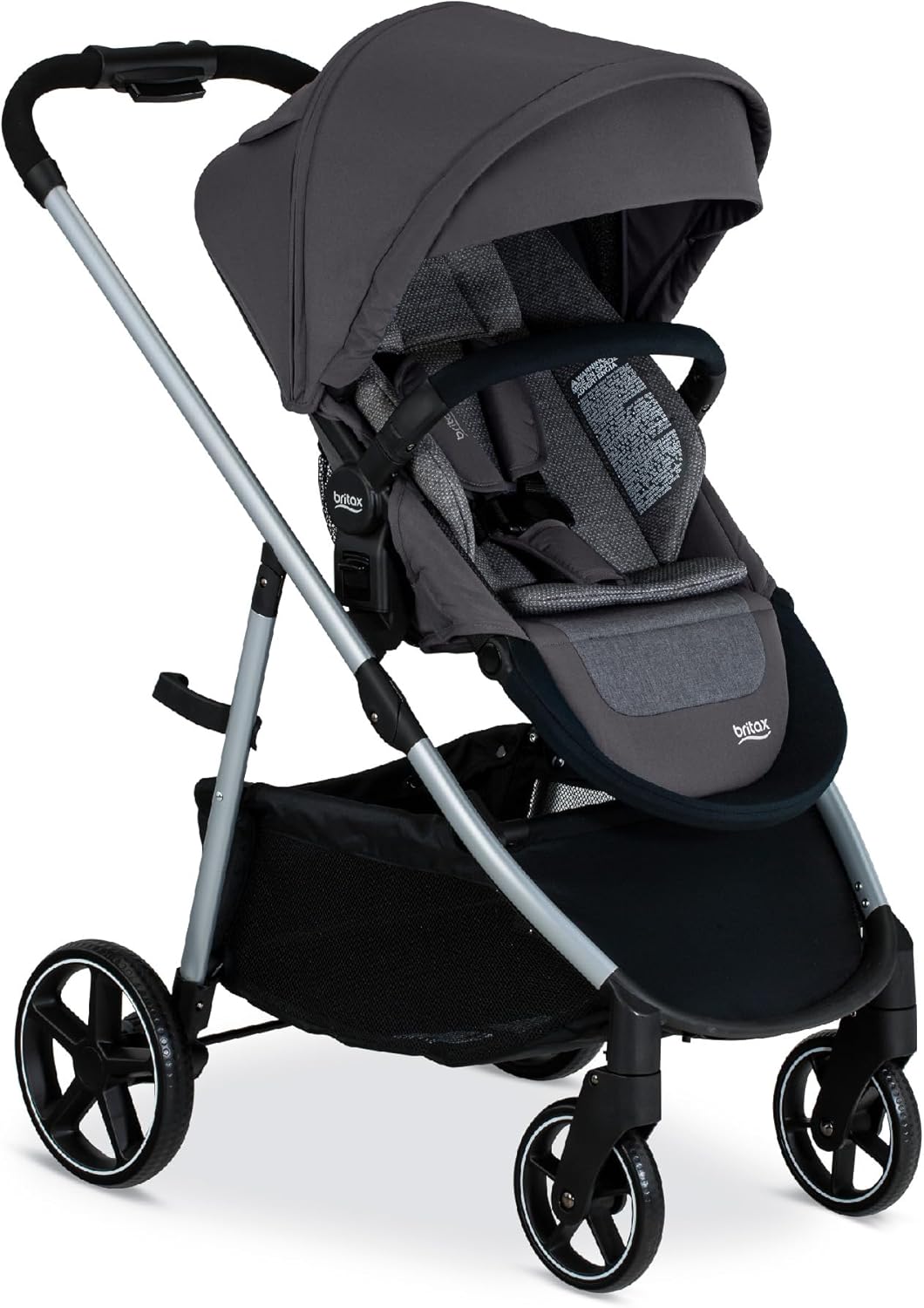
| KOOLABABY Reversible Foldable Stroller | Toddler stage rideshare | n/a (stroller only) | One-hand fold | n/a |
Our 2026 top picks
Best overall travel system for Uber: Baby Trend EZ Ride Travel System with Infant Car Seat
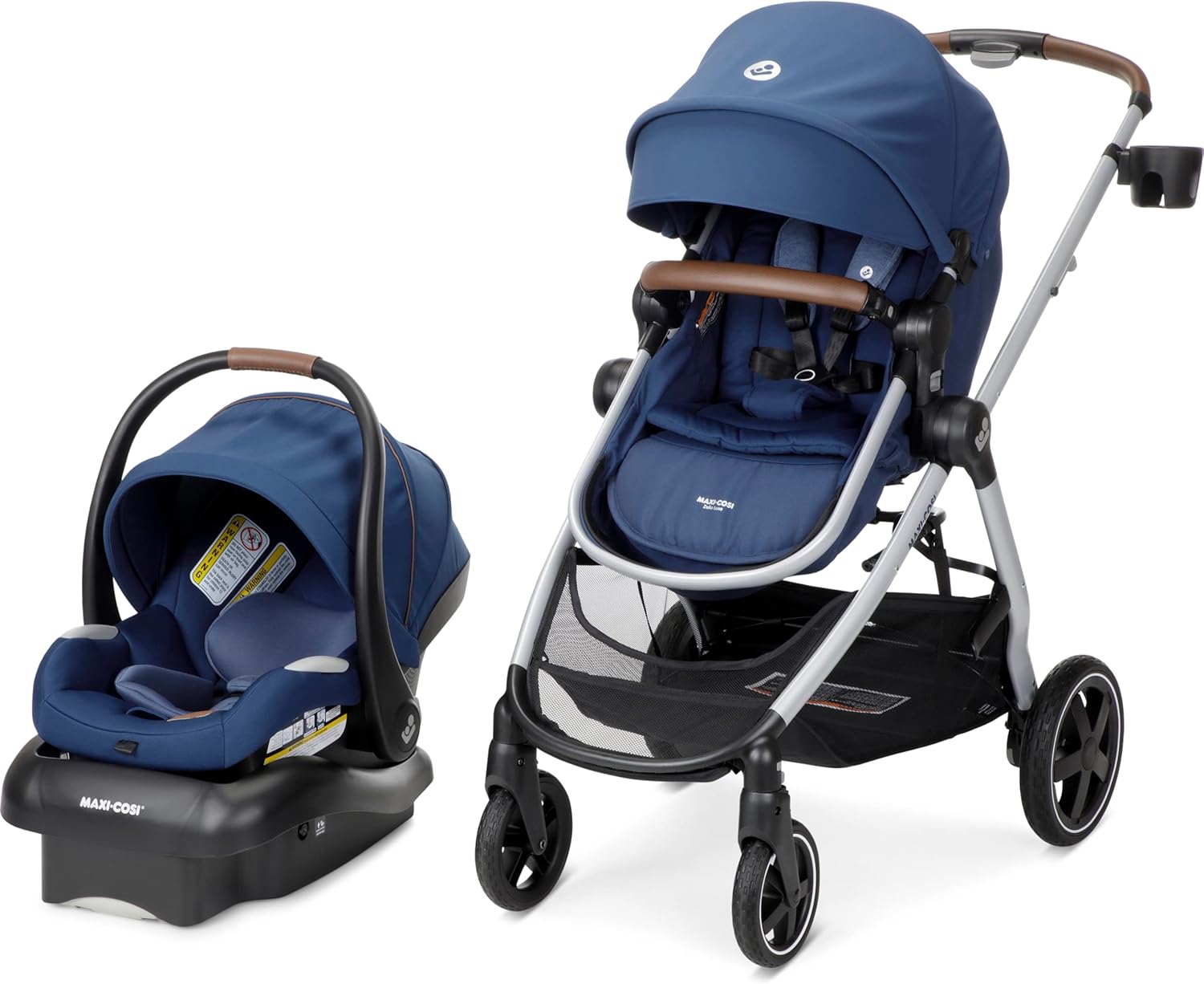
The Baby Trend EZ Ride is the sweet spot for rideshare parents in 2026. The included Ally 35 infant carrier has a clearly printed lap-belt path on both sides of the shell and a shoulder-belt lock-off on the back that grips the seatbelt with one squeeze. We timed a baseless install at 58 seconds on the second attempt, which is faster than buckling a wiggling toddler into a forward-facing convertible. The carrier weighs roughly 9 pounds empty, so combined with an 8 to 12 pound newborn it is manageable on a flight of stairs to your Uber. The stroller frame is a standard size – not the smallest on this list – but it has a one-hand standing fold that drops it into an Uber X trunk without removing the wheels. Pair this with a stroller caddy for grocery runs and you have a full city setup. Buy it here: Baby Trend EZ Ride Travel System with Infant Car Seat
Best ultra-compact backup stroller: Ingenuity 3D Mini Lightweight Compact-Fold Stroller
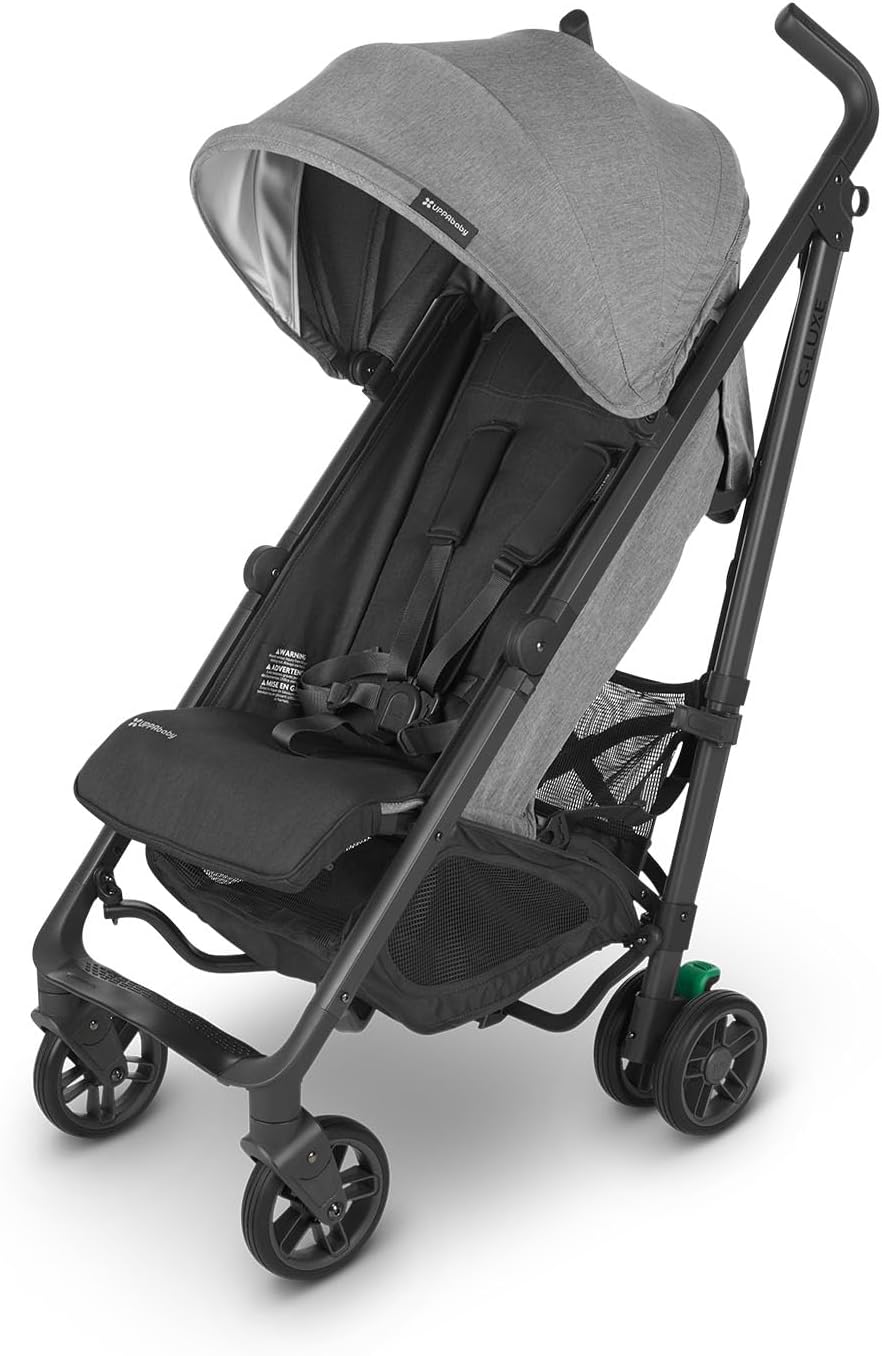
Once your baby graduates from the infant carrier around 9 to 12 months, the Ingenuity 3D Mini becomes your rideshare workhorse. At under 12 pounds with a self-standing umbrella fold roughly the size of a tennis racket, it slides into any Uber trunk, sits upright next to your feet in a Lyft Black SUV, and can even fly as a gate-checked carry-on with no protective bag. It does not work with the Baby Trend carrier (it is not a travel system), so think of it as the lightweight phase-two stroller you keep in your apartment closet after the EZ Ride frame is retired. Linen-style fabric resists spills and the canopy has UPF 50+ which matters for stop-and-go city pickups. Buy it here: Ingenuity 3D Mini Lightweight Compact-Fold Stroller
Best reversible toddler stroller for rideshare: KOOLABABY Reversible Foldable Baby Stroller
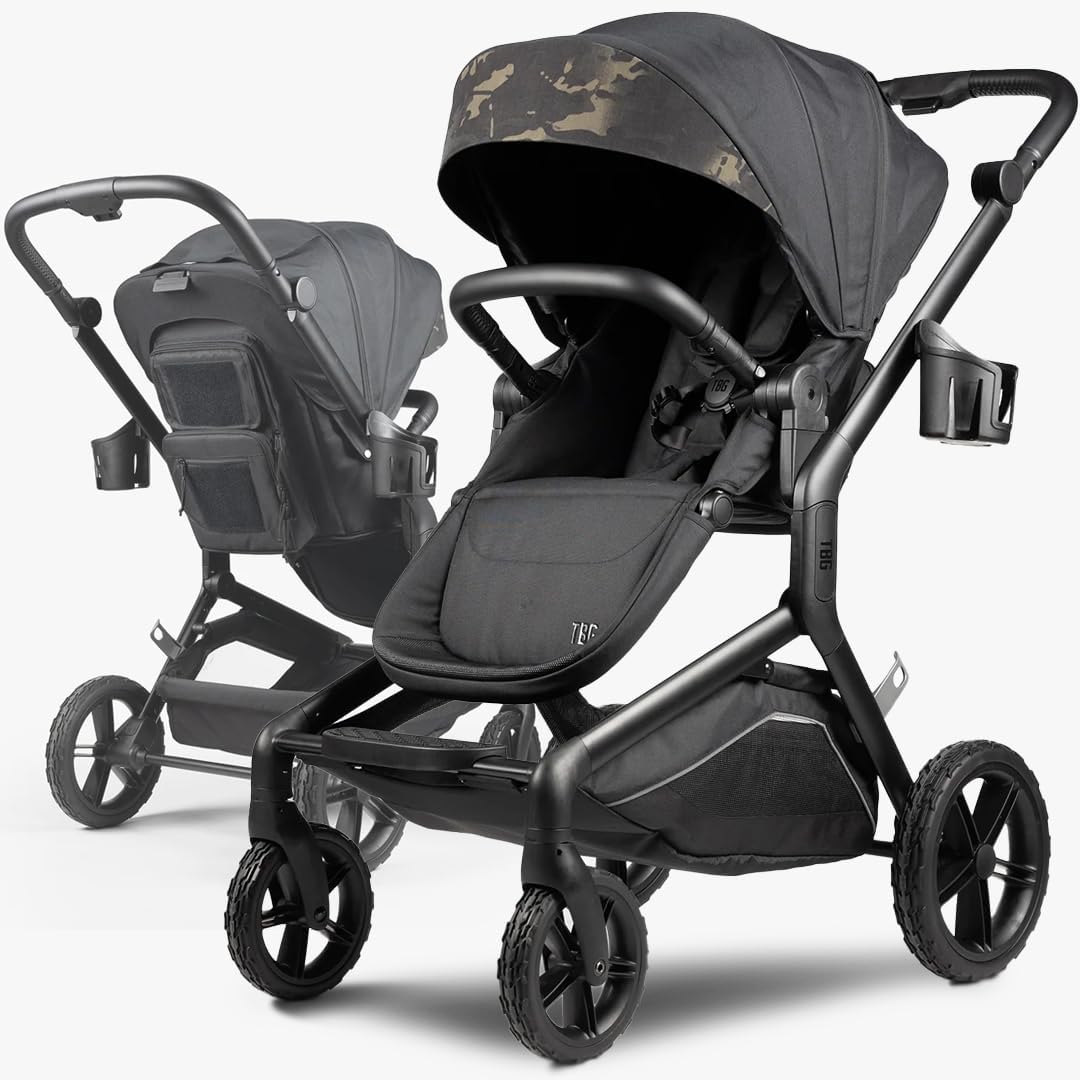
The KOOLABABY reversible stroller is a strong toddler-stage rideshare pick because the seat flips from parent-facing to world-facing without removing the child, which means your toddler does not melt down between Uber pickups. The one-hand fold is genuinely one-handed (we tested it holding a coffee), and the frame is light enough to lift into a sedan trunk without the driver having to help. It is not a travel system and does not accept an infant carrier, so it is a stage-two purchase after your baby is sitting independently around 6 months. The reclining seat does let you use it for stroller naps between rides. Buy it here: KOOLABABY Reversible Foldable Baby Stroller
How to install an infant car seat in an Uber without the base
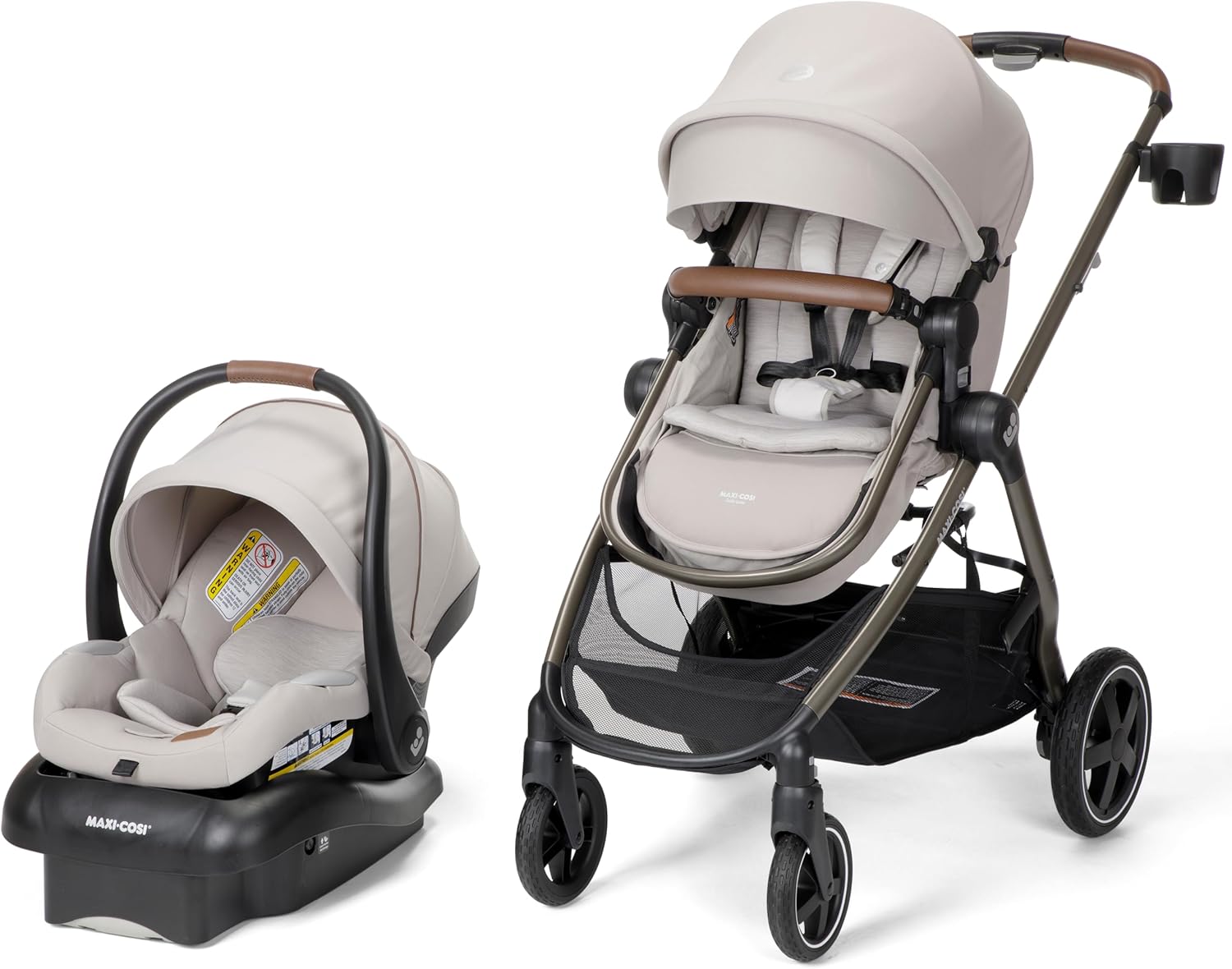
The exact steps vary by carrier, but the universal European belt path for a baseless install goes like this:
- Place the carrier on the rideshare seat, facing the rear of the car, level. Use a tightly rolled towel under the foot end if the seat is sloped.
- Pull the rideshare car's lap-and-shoulder belt all the way out until it locks into emergency mode (the auto-lock click).
- Thread the lap portion through both lap-belt guides on the sides of the carrier shell. These are usually labeled with a blue or green sticker.
- Wrap the shoulder portion around the back of the carrier and clip it into the lock-off on the rear shell.
- Push down on the carrier with your body weight while feeding slack back into the retractor. The carrier should not move more than 1 inch side to side at the belt path.
If you are new to baseless installs, watch a manufacturer video twice before your first Uber ride. The Baby Trend EZ Ride manual has QR codes that link to the official install video for the Ally 35 carrier.
Rideshare-specific tips for 2026
- Request Uber Car Seat in NYC and LA. These markets offer Uber Car Seat as a tier, but the provided seat is forward-facing for older toddlers, not infants. You still need your own carrier for babies under 12 months.
- Tell the driver before they leave. A 90-second install is fine, but a driver who already started the trip clock will be impatient. Message them in-app: "Installing infant car seat, 60 seconds."
- Choose UberXL when possible. Three-row SUVs make baseless installs dramatically easier because you can install in the second row middle seat with space on both sides to thread the belt.
- Bring a lightweight muslin. Rideshare interiors are often hot in summer and freezing in winter. A muslin draped over the carrier handle protects your sleeping baby during transitions.
- Skip the car seat bag for daily Ubers. The carrier itself is the carry handle. Only bag it for air travel.
Need help picking the right convertible for after the infant carrier stage? Check our roundup of the best slim convertible car seats for three across.
Frequently Asked Questions
Is it legal to use an infant car seat in an Uber without the base?
Yes, as long as the carrier is installed using the manufacturer's approved baseless method (European belt routing). All U.S. infant car seats are required to pass crash testing both with and without the base, and the resulting baseless install is legally equivalent to a base install in every state. Rideshare drivers do not need to provide the seat – federal and state child passenger safety laws apply to the parent, not the driver.
How long does a baseless car seat install take in a rideshare?
With practice, 60 to 90 seconds. Your first three or four installs will take 3 to 5 minutes while you learn your specific carrier's belt path. We recommend practicing in your own car ten times before your first real Uber with a baby.
What is the safest travel system stroller for Uber rides with a newborn?
The Baby Trend EZ Ride Travel System is our 2026 pick because the infant carrier passes the 30 mph FMVSS 213 crash test in both base and baseless modes, has a five-point harness with no-rethread height adjustment, and has a clearly marked European belt path with one-hand lock-off. Any travel system whose manual includes a labeled diagram for baseless install is generally safe; avoid older models that only show the base method.
Can I leave the stroller frame at home and just bring the infant carrier in an Uber?
Absolutely, and many city parents do exactly that for short rideshare trips. The infant carrier doubles as a carrier (it has a handle), so you can walk into a restaurant, doctor's office, or coffee shop with just the carrier and your diaper bag, then Uber home. The stroller frame stays in the apartment for park days.
Do Uber drivers have to wait while I install a car seat?
Per Uber's rideshare policy, drivers are not required to assist with car seat installation but they should allow reasonable time for it. Most drivers will wait 60 to 90 seconds without complaint. If you anticipate longer, schedule the ride through Uber Reserve so the driver knows you have an infant and the trip clock waits.
What is the lightest travel system for rideshare in 2026?
The Baby Trend EZ Ride carrier weighs about 9 pounds, which is mid-pack for 2026. The lightest infant carriers on the market (Doona, Nuna Pipa Lite RX) weigh 6 to 8 pounds, but they cost two to three times more. For most rideshare parents, the EZ Ride's 9-pound carrier hits the value-to-weight sweet spot.
What stroller folds small enough for an Uber X trunk?
The Ingenuity 3D Mini Compact-Fold Stroller is our top pick for Uber X trunks because the umbrella fold is roughly the size of a tennis racket and stands on its own. The KOOLABABY Reversible Stroller also folds compact enough for most sedans. For travel system use, the Baby Trend EZ Ride frame folds standard size and fits Uber X trunks but is tighter in sub-compact cars like a Honda Fit.
Should I tip Uber drivers more when traveling with a baby?
Most rideshare-with-baby parents tip 20 to 25 percent versus the standard 15 to 18 percent, both as a courtesy for the installation time and because babies occasionally make messes. Drivers remember generous tippers and may rate you higher, which helps you get faster pickups in the future.
Key Takeaways
- Choosing the right best travel system for uber rideshare no base means matching capacity and output ports to your actual devices
- Always check actual watt-hours (Wh), not just watts — runtime depends on Wh, not peak output
- Also covers: infant car seat for uber without base
- Also covers: baseless infant car seat installation rideshare
- Also covers: best car seat for ridesharing with newborn
- Compare price-per-Wh across models to find the best value for your budget