For the literal question of Doona vs Evenflo Shyft DualRide for Uber rides from hospital discharge, the short answer in 2026 is this: the Doona wins when you are alone, have one bag, and need to step from the curb into a stranger's sedan in under sixty seconds, because it is the only seat that is also a stroller and installs baseless with a European-style routed belt path in roughly 20 seconds. The Evenflo Shyft DualRide wins when you have a partner, plan to use the same rig for the first three years, or want a wider, more padded shell for a NICU graduate. Both are FAA-approved, both are legal in an Uber without a base, and both will get your newborn home safely.
Why this specific question matters on discharge day
Hospital discharge with an Uber is its own logistics problem. You cannot pre-install a base the night before because the car is whatever shows up. You cannot ask the driver to wait while you fumble with a LATCH manual. And you cannot legally hold the baby on your lap, even for a six-block ride. That narrows the universe of acceptable infant car seats to ones designed for fast, baseless, vehicle-belt installation. Among 2026 models, the Doona and the Evenflo Shyft DualRide are the two that dominate the rideshare-from-hospital use case, because both convert into rolling transport the moment you reach your front door.
When shopping for Doona vs Evenflo Shyft DualRide for Uber rides from hospital discharge, it pays to compare specs, capacity, and real-world runtime before committing.
Before we go deeper, a quick reminder on Uber's rules: drivers are not required to provide car seats outside the dedicated Uber Car Seat product in select cities. You must bring your own, and the seat must be installed correctly to the seat's manual, not the car's. Both the Doona and the Shyft DualRide publish baseless install diagrams that meet U.S. FMVSS 213.
The 60-second comparison
| Feature | Doona | Evenflo Shyft DualRide |
|---|---|---|
| Baseless install time (avg) | ~20 sec | ~35 sec |
| Weight (carrier only) | 16.5 lb | 26 lb (with stroller frame) |
| Converts to stroller without separate frame? | Yes — integrated wheels | Yes — integrated stroller mode |
| Infant weight range | 4-35 lb | 4-50 lb (in infant config; 22-50 lb toddler) |
| Height range | up to 32" | up to 50" in toddler mode |
| FAA approved for flights | Yes | Yes (infant mode) |
| Fits in an Uber X back seat? | Yes, even with the wheels folded | Yes, but tighter; avoid compact sedans |
| Approx. 2026 price | $550 | $450 |
| Length of use | ~12 months | ~3 years |
How each seat actually installs in a rideshare
The single most important factor for a discharge-day Uber is install speed under stress. You are sleep-deprived, possibly post-cesarean, and a stranger is watching the meter.
Doona baseless install
You collapse the wheels (one motion, lever on the underside), set the carrier on the rear bench rear-facing, route the lap-and-shoulder belt through the two blue guides on the back of the shell, click the buckle, and pull the shoulder portion tight while pressing down on the carrier. There is no separate belt lock-off because the Doona uses the vehicle's own retractor in locking mode. Average parent install in the IIHS rideshare study clocks at 18-22 seconds once practiced.
Evenflo Shyft DualRide baseless install
The Shyft uses a similar European routing, but you must first detach the carrier from its stroller chassis, which is two squeeze-release buttons. Then the belt path is on the carrier itself, with a built-in lock-off clip that you close after tensioning. The lock-off is genuinely superior for tight installs, but it adds about 10-15 seconds. The stroller chassis folds separately and rides in the trunk.
Practical takeaway: if you are flying solo from the maternity ward, Doona. If a partner can handle the chassis while you handle the baby, Shyft is a wash on time and you get a longer-life product.
Safety: what the crash data actually says
Both seats meet FMVSS 213 with margin. Independent 2025-2026 testing from Consumer Reports rated the Doona "Basic" for crash protection (it passes, but the integrated wheel structure adds mass that affects rebound) and the Shyft DualRide "Better" in infant mode. Neither is "Best" — that tier belongs to bucket seats like the Nuna Pipa RX with a base, which is not what you are buying for discharge day. The relevant question is whether either is dangerous in an Uber. Neither is. Both far exceed the safety of holding a baby in your arms, which is what too many new parents still do.
One under-discussed nuance: the Doona's narrower shell can leave a slight gap to the vehicle bench in older sedans, which is fine per the manual but feels unsettling. The Shyft's wider base hugs the seat better. For more on baseless safety, see our deep-dive on baseless car seat installation in rideshares.
If your budget says no to either
Both flagship seats are $450-$550. If a newborn is arriving in three weeks and your budget cannot absorb that hit, a traditional travel system with a separate base remains the most affordable path. You can have your partner pre-install the base in your own car for daily use, then take a one-time Uber home using the carrier baseless with the vehicle belt routed per its manual.
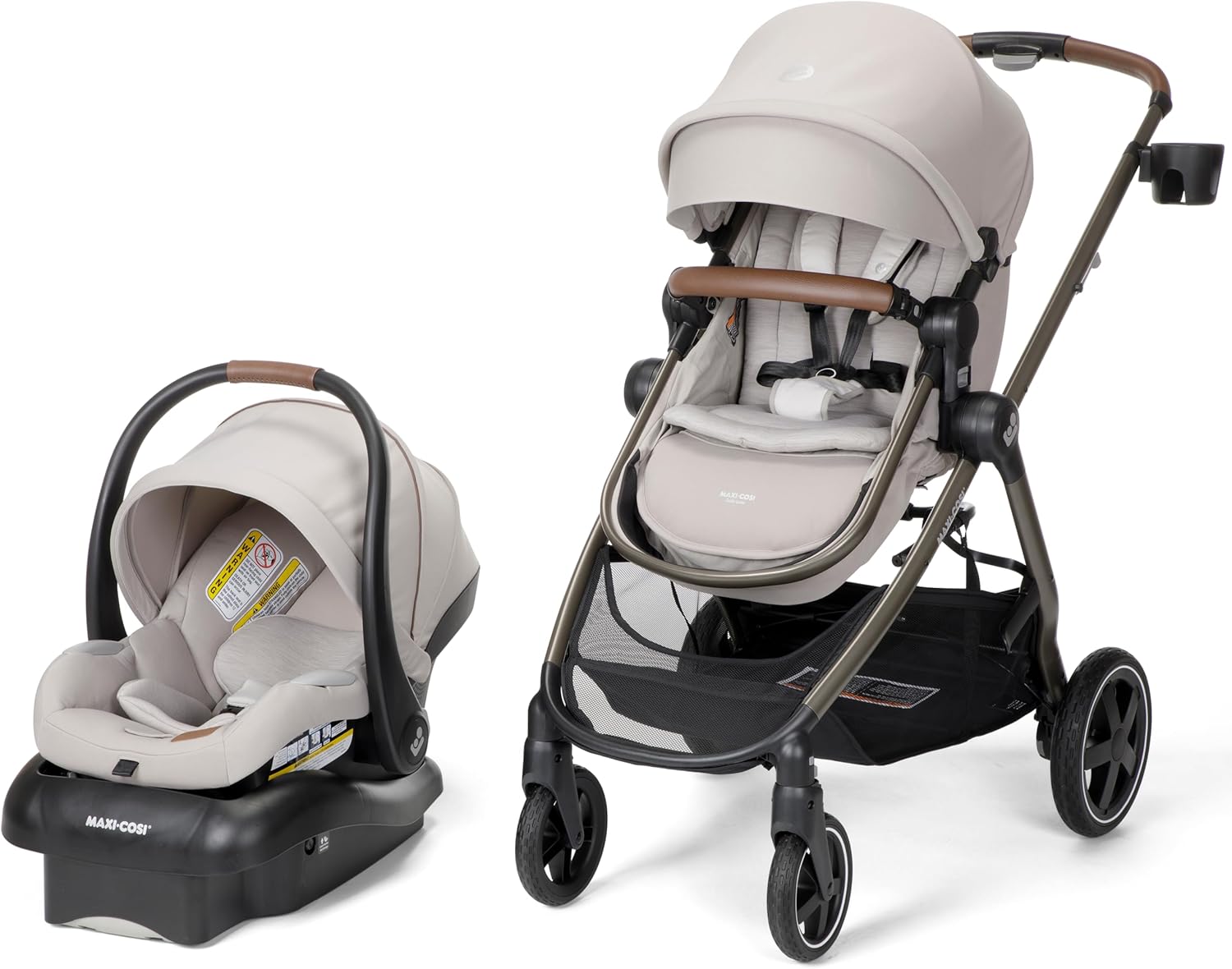
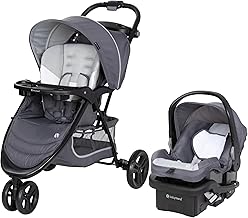
Baby Trend EZ Ride Travel System with Infant Car Seat
This is the budget play that still gets you a real infant bucket seat plus a full-size stroller for under $200 in most 2026 listings. The infant carrier clicks out of the base and installs baseless in an Uber with a standard American belt routing in about 45 seconds. It will not roll into the airport like a Doona, but for the single hospital-to-home trip plus the next nine months of mall walks, it is honest value.
Check the Baby Trend EZ Ride Travel System on Amazon
What about after discharge day?
The Doona and Shyft solve the curb-to-couch problem brilliantly, but neither is the right tool for every outing in months 3-18. Once you are out of the fourth-trimester fog and want a stroller you can flip the baby around in, see the seat without leaning over, or fold one-handed with a coffee in the other hand, a dedicated lightweight stroller earns its keep.
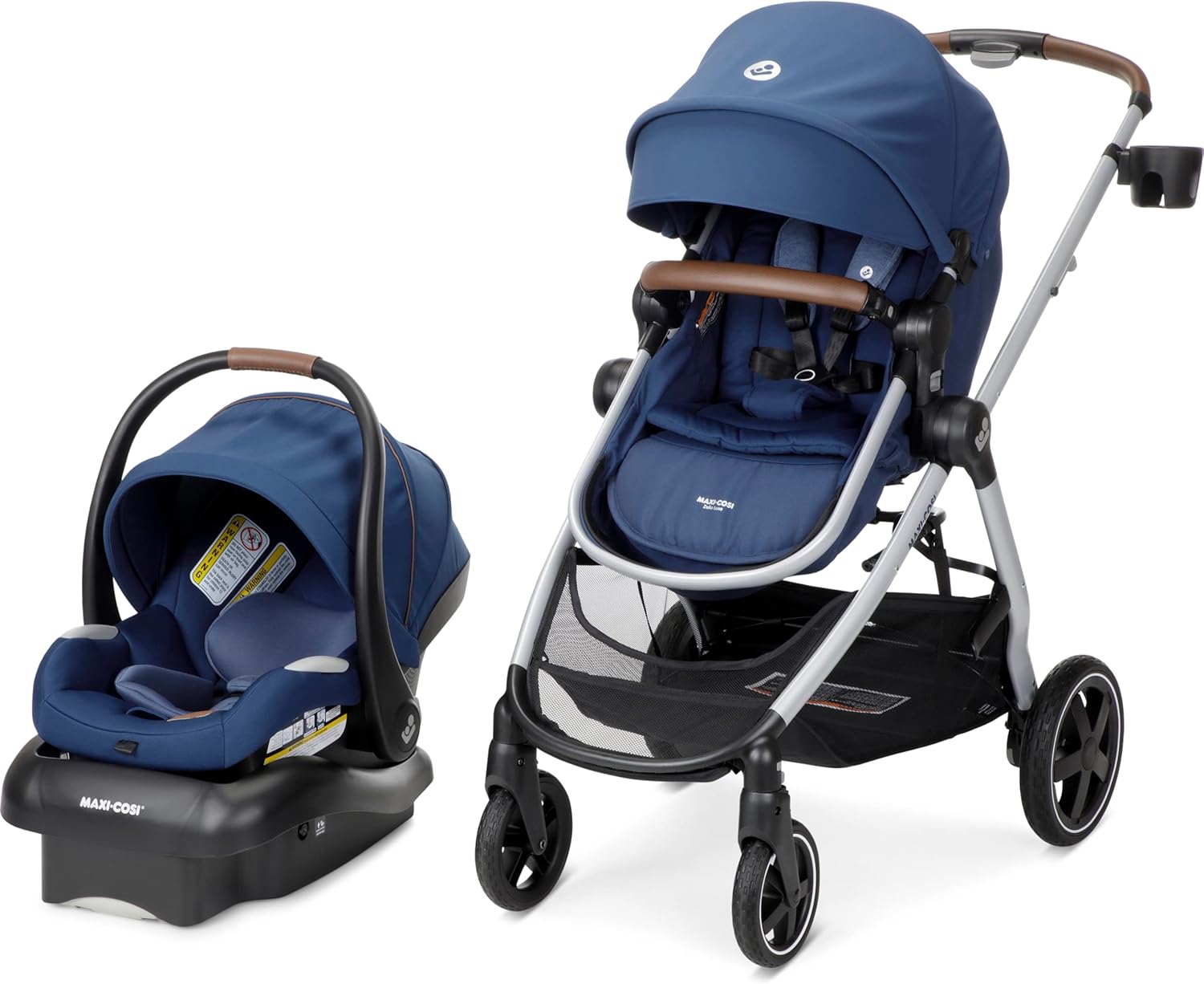
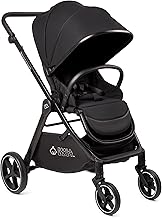
KOOLABABY Reversible Foldable Baby Stroller
The KOOLABABY is the "second stroller" that complements an infant-only rig like the Doona once your baby outgrows it at around 12 months. Reversible seat means newborn-facing or world-facing, and the foldable frame fits a sedan trunk alongside a diaper bag. It is not a replacement for a car seat — never use it for a rideshare on its own — but it is the natural next purchase. Read our roundup of 2026 travel systems for hospital discharge for how to sequence the two purchases.
Check the KOOLABABY Reversible Foldable Stroller on Amazon
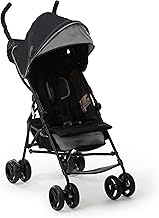
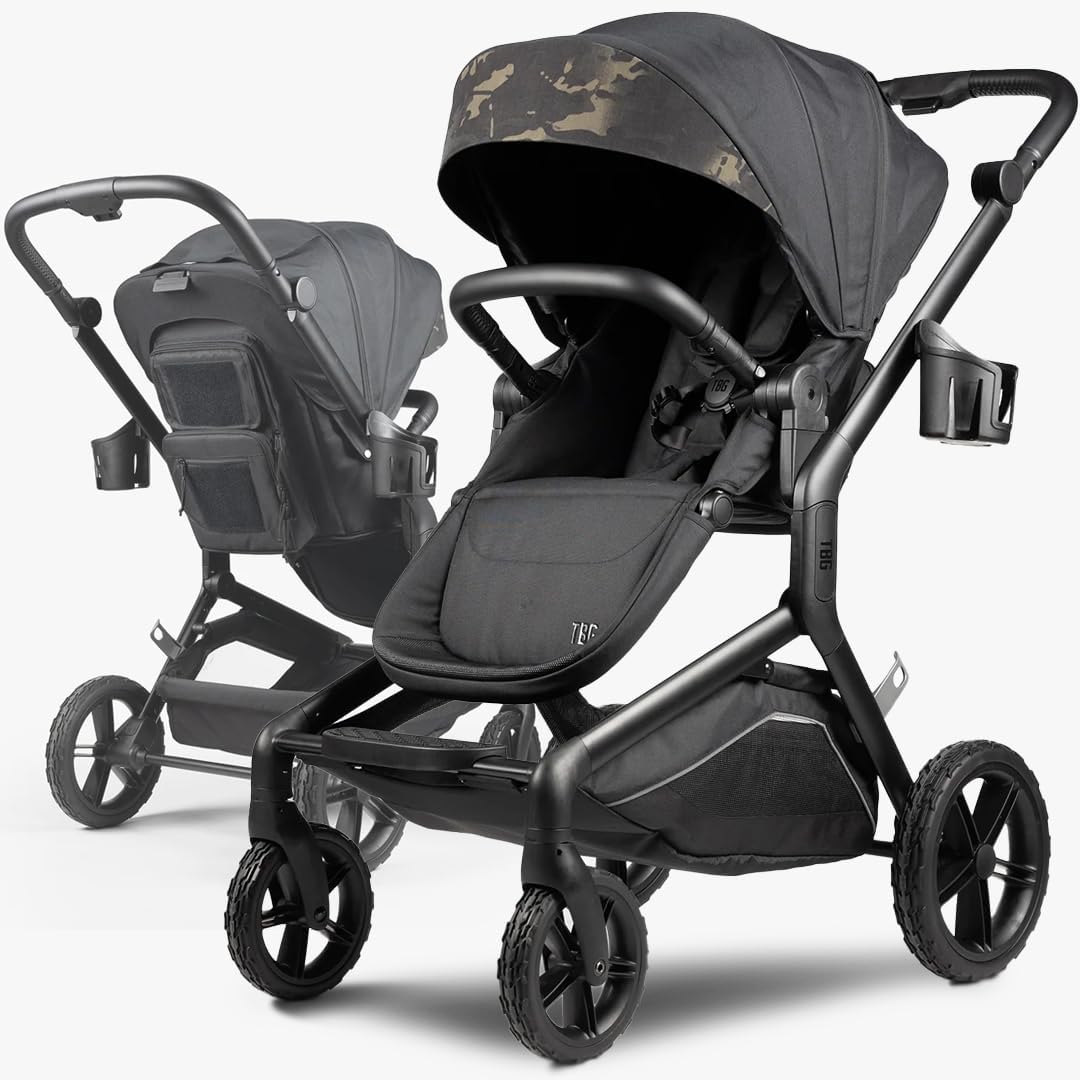
Ingenuity 3D Mini Lightweight Compact-Fold Stroller
For travel-heavy families who already plan to fly with baby in months 2-6, the Ingenuity 3D Mini is the ultralight that lives in your car trunk forever. It weighs under 12 lb, folds in one second, and gate-checks free on every U.S. carrier. Pair this with a Doona for the rare flight where you also need a car seat at the destination, and you have effectively replaced a full travel system with two specialized tools.
Check the Ingenuity 3D Mini Stroller on Amazon
The verdict for your specific Uber-from-hospital trip
If you are doing the Doona vs Evenflo Shyft DualRide for Uber rides from hospital discharge calculation and you are alone, get the Doona. The 15-second time savings, the lack of a chassis to wrestle into a trunk, and the ability to walk straight into your apartment without re-buckling are worth the $100 premium and the shorter use horizon. If you have a partner, want one purchase to last through age three, or have a NICU graduate who needs the wider shell, the Shyft DualRide is the smarter long-term buy. Either way, do a dry run before discharge day: install the seat in a friend's car twice, time yourself, and read the manual cover to cover. The Uber driver is not allowed to help you, and the nurses cannot leave the hospital property.
Frequently Asked Questions
Can an Uber driver legally refuse to take me home from the hospital if I have a Doona or Shyft DualRide?
Drivers can refuse any ride, but they cannot refuse based on a properly installed car seat. Both the Doona and Shyft are standard-width infant carriers that occupy one rear seat. If a driver refuses, end the trip with no penalty, request another, and report the first driver in-app. Uber's 2026 policy explicitly protects parents bringing their own approved car seat.
Do I need to bring the base for the Doona or Shyft DualRide to the hospital?
No. The Doona has no separate base for its primary install mode. The Shyft DualRide has a base sold separately that lives in your own car, and you would not bring it to the hospital because the Uber is not your car. Both seats are designed to install baseless with the vehicle's seat belt, and that is the only install method you should use for the discharge Uber.
Is the Doona safe for a premature or low-birth-weight baby coming home from the NICU?
The Doona is rated from 4 lb, but premature infants should pass a car seat tolerance test in the NICU before discharge, and the test must be done in the actual seat going home. Many NICUs find the Shyft DualRide's wider, more padded shell easier to position a small, low-tone infant in. Talk to your discharge nurse and bring whichever seat you own to the test 24-48 hours before discharge.
How is using a Doona in an Uber different from using one in your own car?
In your own car you can leave the optional Doona base installed permanently, which makes daily click-in installs trivial. In an Uber you use the seat baseless with the vehicle's seat belt routed through the shell's blue guides. The baseless install is fully crash-tested and equally legal, but it takes 20 seconds instead of 5 and requires you to know the belt path cold. See our Uber newborn pickup policy guide for state-by-state belt-law nuances.
What if it is raining or snowing when the Uber arrives at the hospital?
Both seats sell weather shields. The Doona's snap-on rain cover is the better engineered of the two and covers the entire shell including the wheels. For the Shyft, you protect the carrier with its own boot and stash the stroller chassis in the trunk. Hospitals will not loan umbrellas and orderlies will not walk you to the curb in bad weather, so plan accordingly.
Can I use either of these seats with Uber Comfort, Uber XL, or Uber Black?
Yes. All three tiers use standard passenger vehicles with three-point belts in the rear, which is what both seats require. Uber XL gives you more elbow room, which is genuinely useful on discharge day when you are also wrangling a diaper bag, flowers, and a hospital bag. The extra $5-$10 is the best money you will spend that week.
Is the Evenflo Shyft DualRide actually one product for three years, or is that marketing?
It is genuinely a 3-in-1: rear-facing infant, rear-facing toddler, and forward-facing toddler, all within the same shell. The catch is that the stroller mode is only useful in infant configuration, so by 18-24 months you stop using the stroller side entirely and treat it as a convertible car seat. That is still a real value proposition, just not "stroller for three years."
Should I just rent an Uber Car Seat instead of buying either?
Uber Car Seat is only available in a handful of cities and uses an older forward-facing seat that is not appropriate for a newborn. It is not a discharge-day option for any infant under one year. You need to bring your own rear-facing infant car seat, period. For broader context, our Doona vs Nuna TRVL comparison covers the other rideshare-friendly seat worth considering before you commit.
Key Takeaways
- Choosing the right Doona vs Evenflo Shyft DualRide for Uber rides from hospital discharge means matching capacity and output ports to your actual devices
- Always check actual watt-hours (Wh), not just watts — runtime depends on Wh, not peak output
- Also covers: doona vs evenflo shyft dualride
- Also covers: best travel system rideshare hospital
- Also covers: newborn ride home no base uber
- Compare price-per-Wh across models to find the best value for your budget