If you're trying to figure out how to babyproof Victorian house with tall windows and radiators rental properties present in 2026, the short answer is this: use pressure-mounted window guards or removable mesh restrictors for the sashes, wrap each cast-iron radiator in a thermally insulated cover (foam, fabric, or wood) attached without screws, and rely on no-drill furniture anchors, tension gates, and adhesive corner bumpers everywhere else. None of these solutions damage plaster, leave holes, or breach a typical assured-shorthold tenancy. The whole project can usually be done in a weekend for under $400 and reversed in an afternoon when you move out.
Victorian homes are gorgeous, but they were designed roughly 130 years before anyone considered a crawling 11-month-old. Sash windows open from the bottom and the top, original radiators run scaldingly hot, ceilings are tall, stair runs are steep, and the plaster behind every wall surface is brittle. As a renter you also can't drill, screw, or paint without losing your deposit. Below is the room-by-room playbook we use with families in brownstones, terraced houses, and converted maisonettes.
The best how to babyproof Victorian house with tall windows and radiators rental for your situation depends on how you plan to use it and where.
Why Victorian Rentals Need a Different Babyproofing Approach
Modern new-build childproofing kits assume drywall, double-glazed casement windows, low-temperature panel radiators, and short skirting boards. Victorian properties have none of those. The walls behind the wallpaper are lath-and-plaster or solid masonry, the windows are tall vertical sliders with weighted cords, the radiators are cast iron (slow to cool, brutal to touch), and the architectural details — fireplaces, picture rails, deep window seats, ornate balusters — create irresistible climbing targets.
You also can't permanently alter a rental. That eliminates most hardware-mounted gates, drilled window restrictors, and screwed-down radiator guards sold at big-box stores. Everything has to be pressure-fit, tension-mounted, adhesive (with removable adhesive only), or freestanding.
Step 1: Tall Sash Window Safety
Sash windows are the single biggest hazard in a Victorian rental with small children. The bottom sash often slides up far enough for a toddler to fit through, the sills are wide and inviting to climb on, and the cords can snap under load. According to the U.S. CPSC, an opening of more than 4 inches is enough for a small child to fall through.
Install removable sash window restrictors. Look for vinyl or stainless-steel restrictors that clamp to the window frame with a thumbscrew rather than wood screws — KidCo, Cardinal Gates, and Safety 1st all make versions under $25. They limit the opening to under 4 inches and pop off in seconds when you vacate.
Add a mesh window guard for upper floors. Pressure-mounted bar guards (think horizontal bars across the window opening) are landlord-friendly because they wedge against the jamb. They cost $40–$80 per window and meet ASTM F2090 fall-prevention standards. Confirm with your landlord that you can install them — most agree because they reduce liability.
Cordless blinds only. Replace any corded blinds with cordless cellular shades and keep the original blinds stored in a closet. Reinstall when you move out. The Window Covering Safety Council banned corded blinds in new sales in late 2018, but Victorian rentals often still have them.
Move all climbable furniture. Beds, chests, ottomans, and toy boxes have to live more than three feet from any window. Toddlers climb to fall — they don't fall from nothing.
Step 2: Radiator Safety Without Drilling
A cast-iron Victorian radiator can hit surface temperatures of 70–90°C (160–195°F) when running, more than hot enough to cause a second-degree burn in under three seconds. Standard radiator covers screw to the wall. You can't do that as a renter, so you need freestanding or pressure-fit options.
Freestanding wooden radiator covers. MDF cabinet-style covers that simply sit over the radiator (no fixings) cost $80–$200 each on Amazon, Wayfair, or Etsy. They double as a shelf, hide the unit, and bring the touchable surface down to safe temperatures. Measure depth carefully — Victorian rads stick out further than modern panels.
Fabric or foam radiator wraps. If a wood cover won't fit (or your landlord won't allow one), use a Velcro-fastened fabric sleeve made from thermal-reflective material. They run $25–$50 per radiator and reduce surface temperature by 20–40°F.
Thermostatic radiator valves (TRVs). If the radiator doesn't already have one, ask your landlord to install TRVs. Most are happy to because it lowers their gas bill on void periods. Set the nursery radiator to a maximum of 18–20°C.
Door stop wedges away from the radiator. Stop the door from swinging a toddler into the cast iron with a soft foam wedge or a finger-pinch door stopper.
For more on heat-related hazards, see our guide to babyproofing an older home checklist.
Step 3: Fireplaces, Hearths, and Tile Surrounds
Most Victorian living rooms still have an original tiled hearth, even if the fireplace itself is decorative. Sharp tile edges and hard stone hearths cause more head injuries than any other single feature in period homes.
- Wrap the hearth perimeter in adhesive foam bumper strip (removable 3M Command-style adhesive only).
- Block decorative fireplace openings with a freestanding fireplace screen or a piece of cut foam board behind a basket of toys.
- Cap any unused chimney with a balloon-style chimney draft excluder — cheap, removable, and keeps drafts out.
Step 4: Stairs, Banisters, and Landings
Victorian stair runs are long, steep, and frequently lack handrails on one side. Hardware-mounted gates work better than pressure gates here because the angles are often non-standard.
Use a no-drill gate that uses banister adapters. Brands like Toddleroo by North States and Regalo sell K-clamp banister mounts that grip the spindles without screws. Combine with pressure mounting on the wall side. Check that the gap between spindles is less than 4 inches — many original Victorian balusters are wider, which is a separate climbing risk that a Plexiglas spindle shield (pressure-mounted between handrail and floor plate) solves.
If you're moving in with a stroller-age baby, our guide to strollers that fit narrow Victorian hallways covers the folded footprints that actually navigate these stair landings.
Step 5: Original Doors, Hardware, and Lead Paint
Victorian doors are tall and heavy. A toddler can pinch fingers in the hinge side or get whacked by a slamming door in a draft.
- Soft foam pinch guards on the hinge side of every door a child can access.
- Adhesive-mount door slam stoppers along the top of the door.
- Lever-handle door knob covers if the doors still have the original brass knobs.
- If paint is pre-1978 (U.S.) or pre-1992 (UK), ask your landlord for documentation of lead testing. Damaged or peeling paint anywhere a child can reach must be sealed with a renter-safe primer or covered with adhesive vinyl.
Step 6: Outlets, Switches, and Old Wiring
Victorian rentals often have surface-mounted conduit, original Bakelite switches, and far fewer outlets than modern code requires. Don't let that push you toward extension cords and surge strips at toddler height.
- Sliding outlet covers (not the old plug-in caps — toddlers learn to remove those).
- Power-strip enclosure boxes for any strip on the floor.
- Cable management sleeves — gather lamp and TV cords behind furniture.
- If you find cloth-wrapped or knob-and-tube wiring exposed in a closet, escalate it to your landlord in writing immediately.
Step 7: Wide Window Seats, Deep Sills, and Picture Rails
The architectural details that sold you on the flat are also climbing infrastructure. Treat every deep sill as a potential launching pad: clear it of cushions, ornaments, and curtain tiebacks once your baby is mobile. Remove freestanding lamps from picture rails. Anchor every piece of furniture taller than 30 inches with no-drill furniture straps that use heavy-duty Velcro or 3M Command anchors.
Comparison: Pressure-Mounted vs. Adhesive vs. Freestanding Solutions
| Hazard | Pressure-Mounted | Adhesive (Removable) | Freestanding |
|---|---|---|---|
| Sash windows | Best (bar guards, restrictors) | OK for sash stops | Not viable |
| Radiators | Not viable | Fabric wraps | Best (wood covers) |
| Fireplaces | N/A | Hearth foam strips | Best (screens) |
| Stairs | Best (K-clamp gates) | Not safe enough | Not safe enough |
| Furniture tipping | N/A | Command-strap anchors | Wall-leaning bookcase backers |
| Outlets | N/A | Sliding plate covers | N/A |
Baby Gear That Makes the First Year in a Victorian Easier
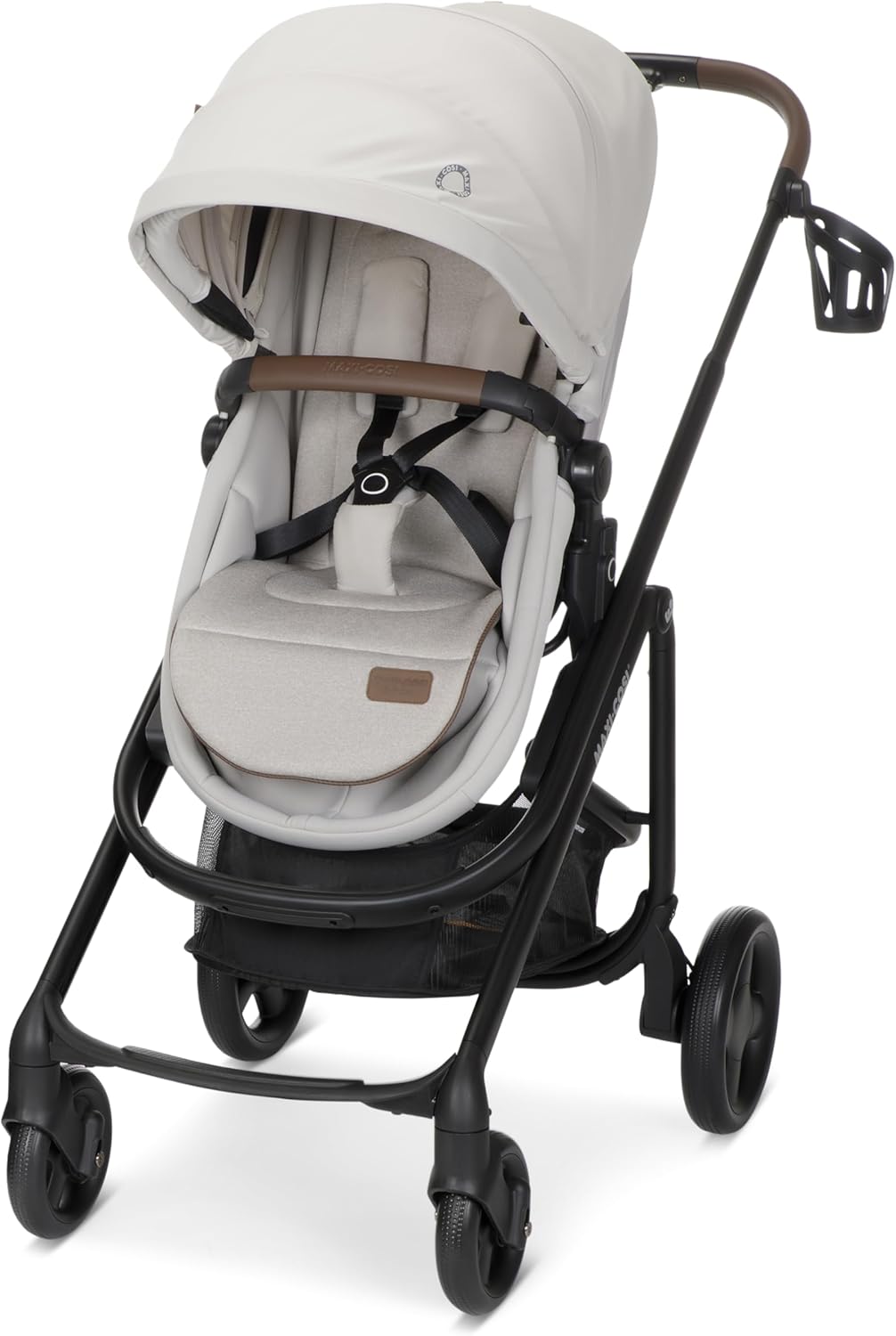
A Victorian rental usually has narrow doorways (28–30 inches), no elevator, and a flight of stoop stairs at the front door. Your stroller and car seat choices matter as much as your gates. Three picks below earn their keep in period properties.
Baby Trend EZ Ride Travel System with Infant Car Seat
A travel system that lets you click the infant car seat straight onto the stroller frame saves you from waking a sleeping baby every time you walk in the door — the difference between actually finishing your babyproofing project on a Saturday or giving up at noon. The Baby Trend EZ Ride pairs a rear-facing infant car seat (rated to 30 lbs) with a full-size stroller frame, and the seat detaches in a single click. The frame is reasonably narrow at 21 inches, which clears most Victorian hallway pinch points. Check the latest price on Amazon.
KOOLABABY Reversible Foldable Baby Stroller
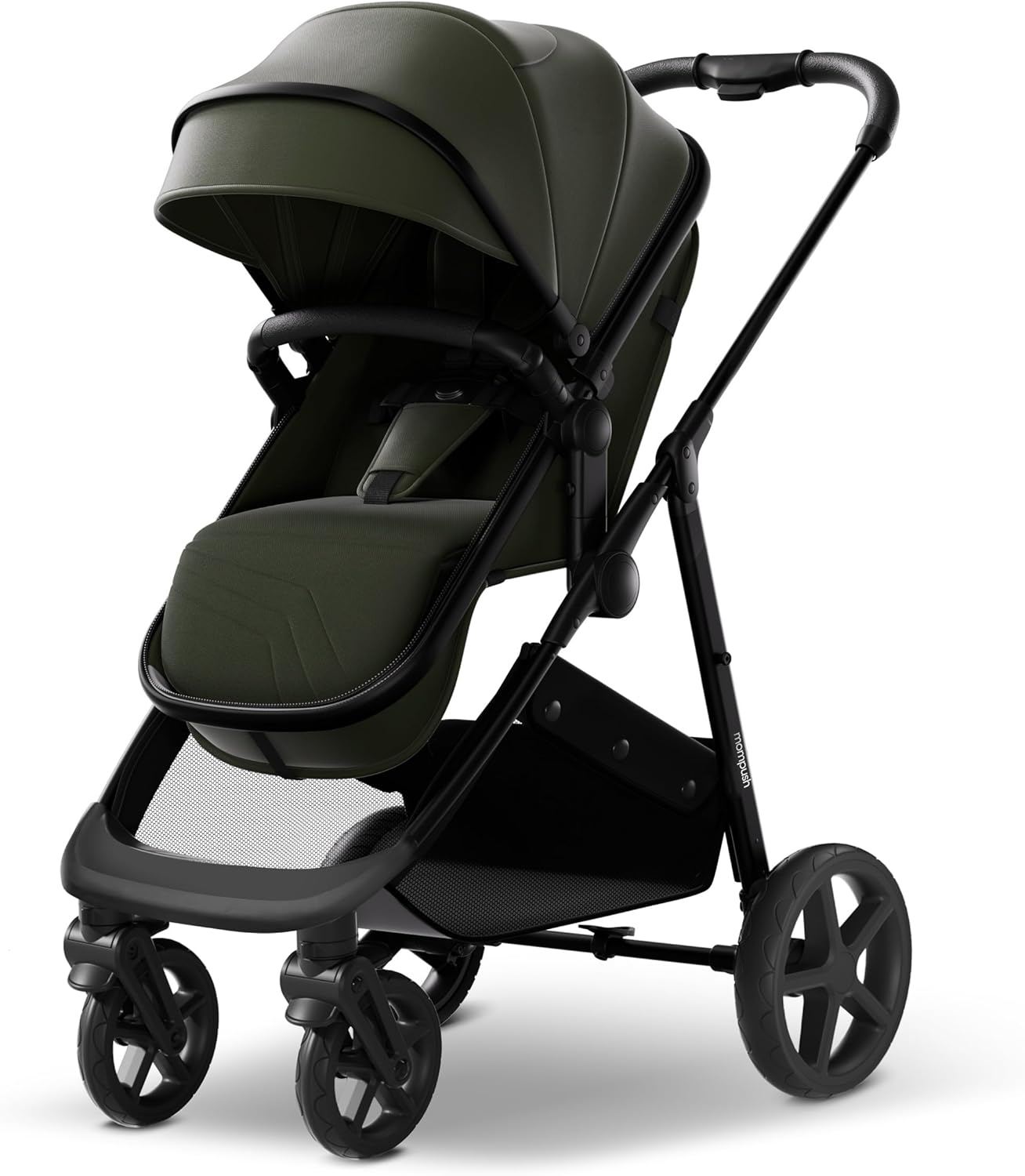
Reversible-seat strollers earn their slot in a tall Victorian because you can keep your newborn facing you while you negotiate stoop steps and uneven sidewalks, then flip the seat outward once they want to see the world. The KOOLABABY one-handed fold collapses small enough to lean inside the front-door alcove of a tight terraced entryway, which matters when your hallway is 30 inches wide and the stair starts immediately. See it on Amazon.
Ingenuity 3D Mini Lightweight Compact-Fold Stroller
Once your baby can sit up reliably (typically 6 months), a true umbrella stroller becomes your quick-trip workhorse. The Ingenuity 3D Mini weighs around 12 pounds, folds with one hand, and stands on its own when folded — critical when you live up three flights and don't want to lay a damp stroller on your radiator-warmed entryway floor. It's also small enough to live under a Victorian hall console table out of baby's reach. View it on Amazon.
For deeper picks, see our roundup of best compact strollers for city apartments in 2026.
A Sane Babyproofing Order of Operations
- Crawl the flat on your hands and knees, room by room, at the child's eye level. Take photos of every hazard.
- Email your landlord a short list of asks: thermostatic valves on radiators, written confirmation that pressure-mounted window guards are permitted, and lead-paint documentation if pre-1978.
- Buy in batches by hazard type: windows first (highest fatal risk), then radiators (highest burn risk), then stairs, then everything else.
- Install at the developmental milestone — rolling at 4 months, crawling at 7–9 months, cruising at 9–12 months, climbing at 12–18 months. You don't need every gate installed the day you bring baby home.
- Keep every receipt, every box, and every screw in one labeled tote so move-out is a one-afternoon job.
Frequently Asked Questions
Are radiator covers safe to use around babies in a Victorian rental?
Yes, when properly sized and ventilated. A correctly fitted MDF or wood cover lowers the touchable surface temperature into a safe range and prevents direct skin contact with the cast iron. Make sure the cover has cutouts or grilles for airflow so the radiator's output isn't blocked, and that it's anti-tip stable (or anchored to the wall with removable adhesive straps if the baby can pull up on it).
Can I install window guards in a rental without my landlord's permission?
Pressure-mounted bar guards and clamp-on sash restrictors leave no holes, so most leases permit them under "removable, non-damaging modifications." In several U.S. cities (notably New York under Local Law 31), landlords are legally required to install window guards in any apartment where a child under 11 lives if the tenant requests them in writing — ask first; you might not even need to buy them.
What's the safest way to babyproof a Victorian staircase without drilling?
Use a hardware-quality gate with banister-clamp adapters on the spindle side and pressure mounting against the wall on the other. Cardinal Gates and Toddleroo both make K-clamp adapters that grip the spindles via rubber-padded brackets — no screws, no damage, and they hold to ASTM standards. Pair with a Plexiglas baluster shield if your spindles are spaced more than 4 inches apart.
How do I protect my baby from drafts and cold floors in an unrenovated Victorian flat?
Layer the room rather than cranking the radiator. A wool play mat over the existing rug, draft excluders along the bottom of doors and sash windows, a chimney balloon in any unused fireplace, and a baby sleeping bag rated to the room temperature do far more than turning the heat up — and they keep the radiators at a touchable temperature so the cover is a fallback, not the main defense.
Is lead paint in a Victorian rental a serious risk for crawling babies?
It can be. Any paint applied before 1978 in the U.S. or before 1992 in the U.K. may contain lead, and the dust from friction surfaces (window sashes especially) is the highest-exposure pathway. Ask your landlord for the most recent lead inspection or EPA disclosure, run a wet wipe along window troughs and skirting boards weekly, and cover damaged paint with adhesive vinyl or contact paper if you can't get it professionally remediated.
What furniture anchors work without drilling into plaster walls?
For light pieces (under 40 lbs), 3M Command Picture Hanging Strips rated to 16 lbs can be doubled up as anti-tip straps. For heavier dressers and bookcases, Quakehold museum putty on the back corners plus a Velcro-style anti-tip strap to a piece of furniture behind it can work. If the piece is heavy and there's nothing behind it, request permission from your landlord to use small wall anchors — they fill with toothpaste in 60 seconds at move-out.
How much should babyproofing a Victorian rental cost in 2026?
Budget $250–$450 for a one-bedroom flat, $400–$700 for a two-bed terrace, and $600–$1,000 for a full house. The biggest line items are radiator covers ($80–$200 each), window guards ($40–$80 per window), and stair gates ($60–$120 each with banister adapters). Everything else — outlet covers, foam strips, cabinet locks — comes in under $100 combined.
Babyproofing a period rental sounds intimidating, but every Victorian hazard has a renter-friendly fix. Window restrictors handle the sashes, freestanding covers handle the radiators, banister-clamp gates handle the stairs, and removable adhesive handles everything else. Spend a weekend and a few hundred dollars, and you'll have a home that's both deposit-safe and toddler-safe through your full tenancy.
Key Takeaways
- Choosing the right how to babyproof Victorian house with tall windows and radiators rental means matching capacity and output ports to your actual devices
- Always check actual watt-hours (Wh), not just watts — runtime depends on Wh, not peak output
- Also covers: victorian house baby safety guide
- Also covers: babyproof old house radiators
- Also covers: tall window baby safety renters
- Compare price-per-Wh across models to find the best value for your budget