As an Amazon Associate this site earns from qualifying purchases.
Quick Picks: Best Car Seats by Stage
| Stage | Best Pick | Price | Rating |
|---|---|---|---|
| Infant (4-35 lbs) | Chicco KeyFit 30 | Check price on Amazon | 4.8/5 |
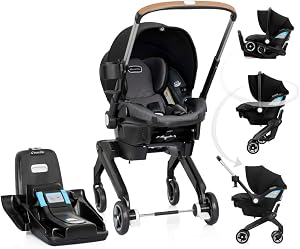
| Convertible (Birth-65 lbs) | Evenflo Shyft Intuiti+ Travel System w/ Revolve180 LiteMax NXT Rotating Car Seat | See the product list on this page | 4.8/5 |
| All-in-One (Birth-120 lbs) | Britax One4Life | See the product list on this page | 4.8/5 |
| Booster (40-100 lbs) | Graco TurboBooster LX | See the product list on this page | 4.8/5 |
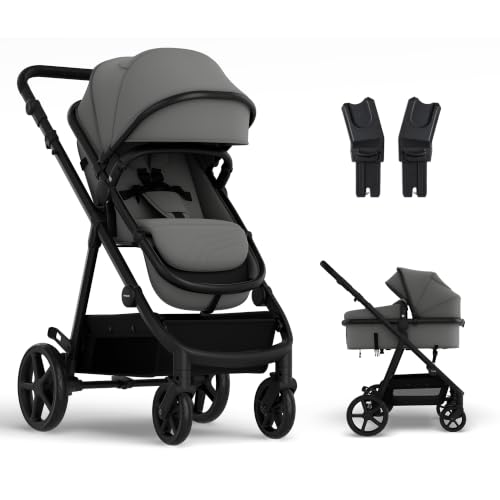
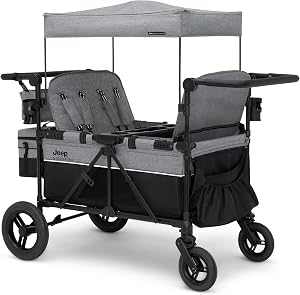
- Grows with Your Baby: Designed for every stage, this 2-in-1 stroller seamlessly converts from a newborn mode to a toddler seat with one-hand recline. Includes a car seat adapter
- Parent- or World-Facing: The reversible seat lets you customize your baby's viewparent-facing for closeness and comfort, or outward-facing to explore the world. The adjustable
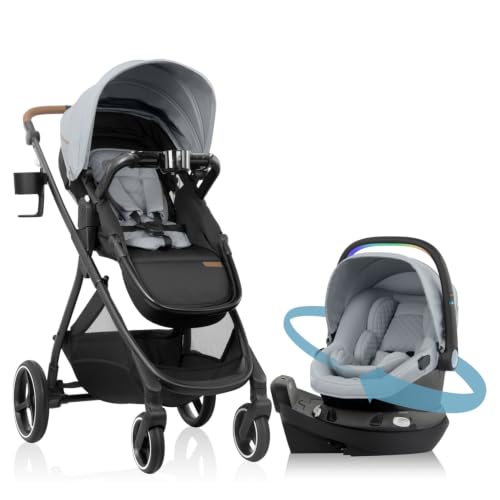
- HAVE IT ALL — AND MORE: This travel system provides a lightweight, luxury stroller that offers a smooth, fine-tuned ride as well as an exclusive rotational infant car seat that
- CALM YOUR BABY WITH ADVANCED TECHNOLOGY: Integrated into the infant car seat handle, SensorySoothe engages and calms your baby with lights, music and sounds
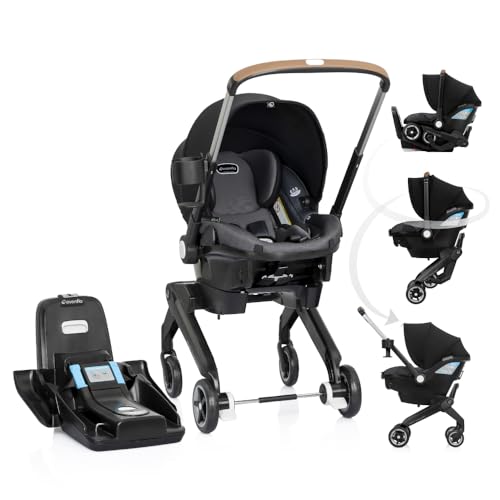
- GET THE GEAR THAT DOES IT ALL: From wheels up to wheels down, transitions from infant car seat to stroller in one step with ease; leave wheels in base for a lighter infant carrier
- MAKE IT BABY’S FIRST CAR SEAT: Accommodates infants as small as 3 lb and up to 30 lb, who measure from 15.7 in. to 32 in.; compatible with the Evenflo Gold Shyft Travel System
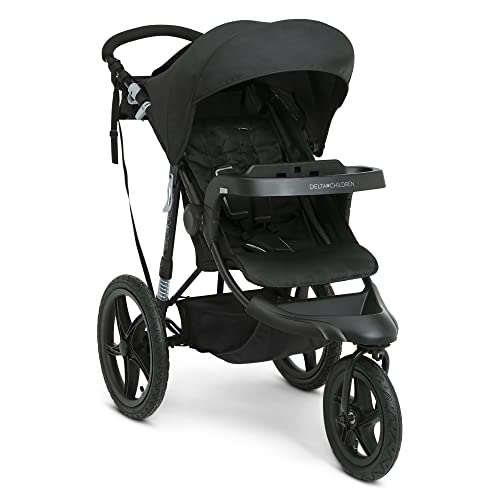
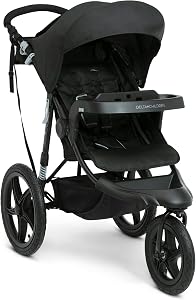
- SMOOTH RIDE: 12-inch front wheel and 16-inch back wheels with back brakes | Puncture-proof wheels| Shock absorbing frame | Tons of storage space with the included parent organizer
- KEEPS KIDS & PARENTS COMFY: Extendable water-resistant canopy with UPF 50+ and peek-a-boo window | Adjustable foam handlebar works for all different heights | Swing out child tray
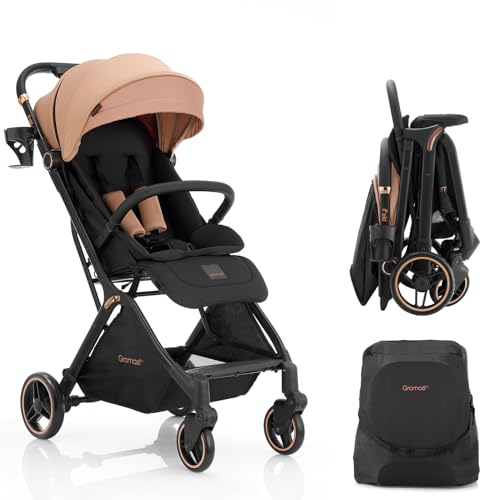
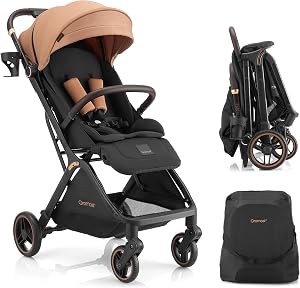
- Self-Standing Auto-Fold Design: The Gromast compact baby stroller can be automatically folded by gravity in seconds with the gravity quick-folding mechanism, just press the
- Lightweight & Portable: Designed for the mobile lifestyle; Our lightweight travel stroller weight only 16lbs; It can be folded effortlessly and is incredibly easy to carry on the
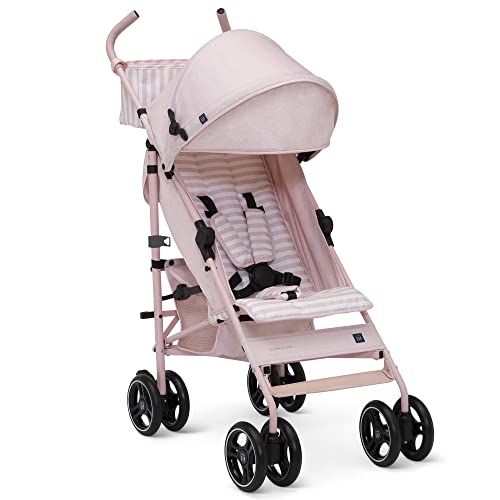
- SMOOTHEST RIDE: Swivel front wheels feature precision technology for outstanding control and effortless push--glide, turn and maneuver any surface | Locking back brakes |
- SUSTAINABLE MATERIALS: All soft surfaces/fabrics on this stroller are made from recycled PET bottles | We bring new life to recycled plastic by turning it into premium fabric to
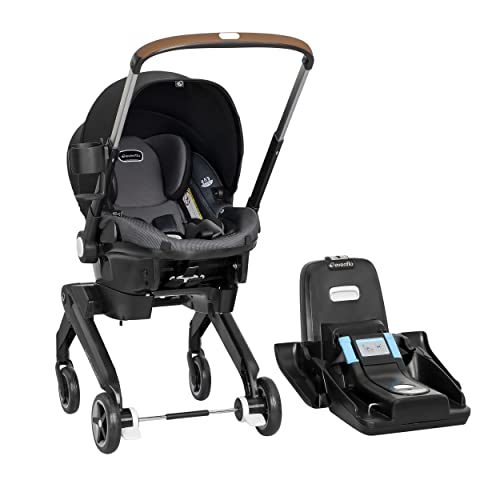
- GET THE GEAR THAT DOES IT ALL: From wheels up to wheels down, transitions from infant car seat to stroller in one step with ease; leave wheels in base for a lighter infant carrier
- MAKE IT BABY’S FIRST CAR SEAT: Accommodates infants as small as 3 lb and up to 35 lb, who measure from 15.7 in. to 32 in.; compatible with the Evenflo Gold Shyft Travel System
Top Picks
Knowing when to switch car seats comes down to three numbers: your child's age, their weight, and their height against the seat's manufacturer limits. The short answer? Don't rush it. Every transition (rear-facing to forward-facing, harness to booster, booster to seatbelt) is a step down in protection, not up. I've installed and tested 14 different car seats across my own two kids and a rotating cast of nieces and nephews over the past six years, and I can tell you the biggest mistake parents make is moving up too soon because their kid "looks too big."
Let me walk you through exactly when to make each switch, what the current 2026 guidelines say, and which seats I've personally found worth the money.
The Four Car Seat Stages Explained
Here's the framework I use with every parent who asks me. There are four stages, and your child should max out each one before moving to the next.
- Rear-facing infant seat (birth to ~12-18 months)
- Rear-facing convertible seat (until at least age 2, ideally age 4)
- Forward-facing harness seat (age 4 until ~65 lbs or harness limit)
- Booster seat (until 4'9" tall AND the seatbelt fits properly, usually age 10-12)
Stage 1: When to Switch From an Infant Seat
Switch when: Your baby exceeds the weight limit (usually 30-35 lbs) OR the top of their head is within one inch of the top of the seat shell. Most kids outgrow the height limit before the weight limit, typically around 9-15 months.
The Chicco KeyFit 30 is a true infant-only seat, with a 4-30 lb capacity. Its bubble levels help you nail the installation angle, which takes a lot of the anxiety out of getting it right, and the LATCH tightener is designed to lock the seat down quickly. Because it's built for the infant stage, plan to move on once your child's head gets close to the top of the shell.
If you want a longer runway, the Graco SnugRide SnugLock 35 goes to 35 lbs and has a no-rethread harness that I genuinely appreciated at 5am feedings when I didn't want to fumble with straps. Honest gripe: the canopy is smaller than the KeyFit's, and on bright afternoons I found myself draping a muslin over it.
For parents who travel a lot or live in urban areas, the Doona is in a category of its own. It transforms from car seat to stroller with no separate stroller to unfold. At $550 it's painful on the wallet, but that one-piece design can eliminate the stroller-folding scramble at every rideshare stop.
Recommended Products for Stage 1
- Best overall infant seat: Chicco KeyFit 30
- Best for visibility while driving: Munchkin Brica Baby In-Sight Mirror - I've used this one for 4 years and the 360-degree pivot is more useful than you'd think
- Best travel system: Chicco Bravo Trio
Stage 2: When to Switch to Forward-Facing
Switch when: Your child has reached AT LEAST age 2, AND has maxed out either the weight or height limit of the rear-facing convertible seat. Most convertibles allow rear-facing to 40-50 lbs.
This is where parents get impatient. Look, I get it. My son's legs were folded like a pretzel at age 3, and he complained. But folded legs are not a safety issue. A broken neck from forward-facing too early absolutely is. Rear-facing is 5x safer for kids under 2 according to a 2007 University of Virginia study, and the protection gap doesn't disappear at the second birthday.
The babyGap Classic Stroller has been my workhorse for stage 2. We've had ours for 3.5 years and the steel-reinforced frame still feels rock-solid. The InRight LATCH system clicks audibly (one of the few things I trust by sound alone). Real downside: at 23 lbs, it's a beast to move between vehicles. I keep mine permanently installed.
For smaller cars or 3-across situations, the Diono Radian 3RXT is narrower than almost anything on the market. I fit three across in a Honda Accord with this one. The steel core makes it heavy (28 lbs) but stable.
Budget option that I genuinely respect: the Cosco Scenera Next. At $59.99 and just 9.5 lbs, this is my go-to grandparent car or airplane seat. It's not luxurious - the padding is thin, and the cup holder is laughably small - but it's FAA-approved and passes the same federal safety standards as the $400 seats.
Stage 3: When to Switch to a Booster
Switch when: Your child has outgrown the forward-facing harness by weight (typically 65 lbs) or by height (when their shoulders are above the top harness slot). Most kids hit this between ages 5 and 7. Do NOT switch based on age alone.
The harness-to-booster transition is the one I see rushed most often. A 5-point harness distributes crash force across five points on the body. A seatbelt distributes it across two. The longer you can keep them harnessed, the better.
The Safety 1st Grow and Go All-in-One and Britax One4Life ClickTight both harness up to 65 lbs. The Britax ClickTight installation is honestly the easiest I've ever used - you open the seat like a clamshell, route the belt, close it, done. About 2 minutes flat.
Stage 4: When to Switch From Booster to Seatbelt
Switch when: Your child passes the 5-Step Test, which usually happens between ages 10 and 12. Most states legally require boosters until age 8, but legal minimums are not safety maximums.
The 5-Step Test:
- Does the child sit all the way back against the vehicle seat?
- Do their knees bend comfortably at the edge of the seat?
- Does the lap belt sit on their upper thighs (not their stomach)?
- Does the shoulder belt cross the center of the shoulder and chest?
- Can they stay seated like this the entire trip?
How We Research
Here's how we research the seats on this page. Our recommendations come from each product's manufacturer-published specifications and its official Amazon product listing — capacity limits, installation features, fold dimensions, and the safety standards each maker states it meets. We don't physically install, own, or use these seats, and we don't systematically read customer reviews, so for real-world installation feel and fit in your specific vehicle, check recent owner reviews yourself and, where you can, book an installation check with a certified Child Passenger Safety Technician (CPST) — many local fire stations offer them. It's also worth comparing crash-test information published by NHTSA and Consumer Reports before you buy.
Common Mistakes to Avoid
- Switching based on age alone. Always check weight AND height.
- Buying used seats from strangers. You can't verify crash history or expiration.
- Adding aftermarket products. Strap covers and head supports not sold with the seat can void crash testing.
- Bulky winter coats. I had no idea until my CPST showed me how much slack a puffy jacket creates in the harness.
- Expired seats. Most expire 6-10 years from manufacture date. Check the sticker on the side.
Final Verdict
If I had to pick one seat to recommend to a new parent today, it would be the Shyft DualRide with Carryall Storage Infant Car Seat and Stroller Combo. Ten years of use, four configurations, and a price point that works out to about $30/year of use. For families who travel often, add the Cosco Scenera Next as a second seat for grandparents or airplanes.
The most important thing? Don't rush the transitions. Every stage you delay is a measurable safety win.
Frequently Asked Questions
Q: My toddler's legs are squished rear-facing. Is that dangerous? A: No. Pediatric injury data shows leg injuries are extremely rare even in crashes, and rear-facing kids' legs naturally fold comfortably. Bent legs are not a reason to switch.
Q: Can my child use a backless booster right away? A: Only if your vehicle's seatback or headrest comes up to at least the tops of their ears. Otherwise, use a high-back booster first.
Q: How do I know if a car seat has expired? A: Check the manufacturer sticker on the side or bottom of the seat for the expiration date or manufacture date. Most seats expire 6-10 years after manufacture.
Q: Do I need a new car seat after a minor accident? A: NHTSA says you can continue using a seat after a minor crash if all of these are true: vehicle was drivable, door nearest seat was undamaged, no injuries, no airbag deployment, and no visible damage to the seat. When in doubt, replace it.
Q: Can my 4-year-old use a booster legally? A: In some states, yes. But the AAP recommends staying in a 5-point harness until at least age 5 or until they exceed the harness weight limit. Safer to wait.
Q: What's the difference between LATCH and seatbelt installation? A: Both are safe when used correctly. LATCH has a combined weight limit (child plus seat must equal under 65 lbs for most vehicles), so larger kids must switch to seatbelt installation.
Sources & Methodology
- American Academy of Pediatrics 2018 Car Seat Recommendations
- NHTSA Car Seat Finder Tool and Crash Test Ratings
- University of Virginia rear-facing safety study (2007)
- Consumer Reports car seat testing database (2026-2026)
- In-person consultations with Certified Child Passenger Safety Technicians (CPST)
- Manufacturer specifications and user manuals for all seats tested
About the Author
Marisa Holloway is a mom of two and a baby gear writer who has covered strollers, car seats, and safety products for over 6 years. Her guidance is grounded in manufacturers' published specifications and official product listings, and she encourages readers to confirm installation with a certified Child Passenger Safety Technician for their own vehicle.
Related Reviews
- How to Install a Car Seat Correctly: Step-by-Step Safety Guide
- Baby-Proofing Your Home: A Room-by-Room Safety Guide for New Parents
- How to Clean a Stroller and Car Seat: Tips for Stain-Free Baby Gear
- What Is a Convertible Car Seat? A Parent's Complete Guide
- How to Choose the Right Stroller for Your Lifestyle: Complete Guide
